


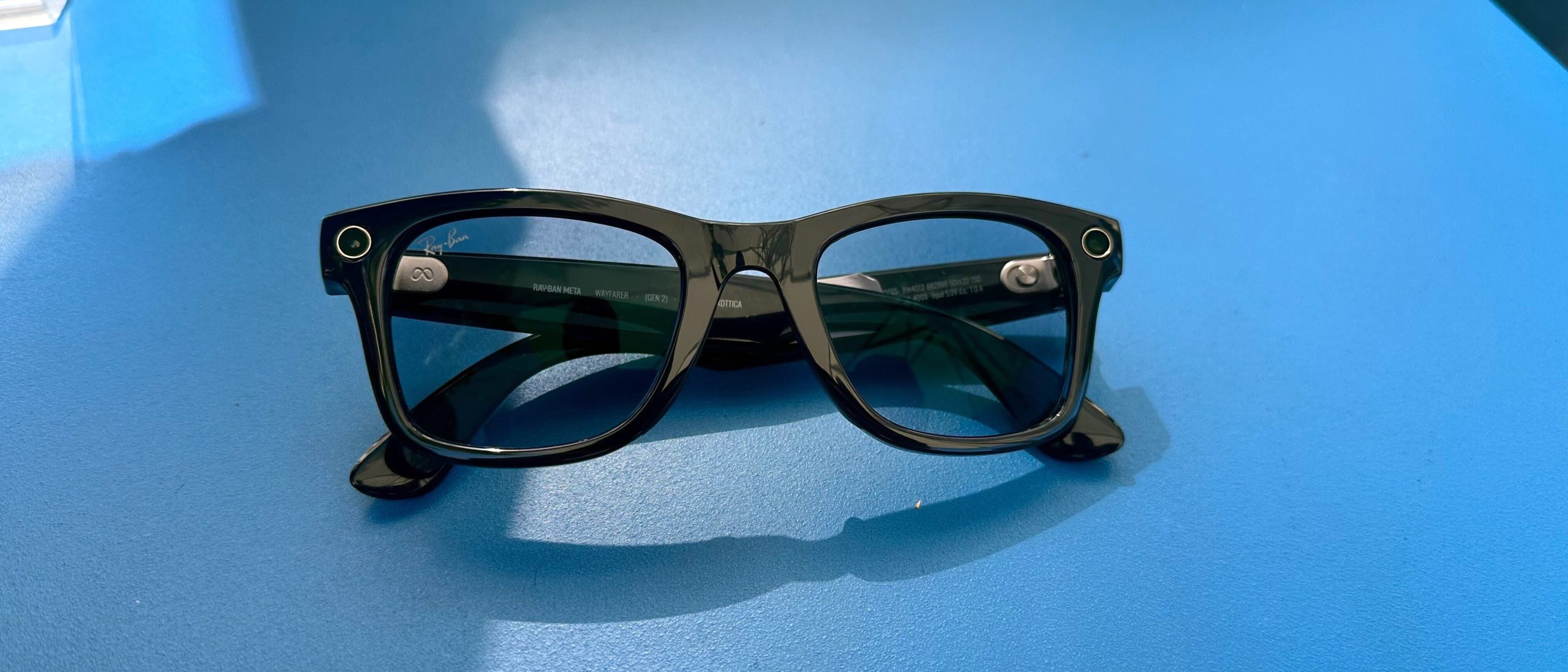
At Meta Connect 2025, held on September 17 in Menlo Park, California, CEO Mark Zuckerberg unveiled two major evolutions in AI-powered eyewear: the Ray-Ban Meta (Gen 2) glasses and the Ray-Ban Meta Display glasses. Co-developed with EssilorLuxottica, these Ray-Ban collaborations build on the 2023 original, introducing enhanced battery life, superior cameras, and heads-up displays for seamless AI integration. Priced from $299 for Gen 2 and $799 for Display models, they launch globally starting September 30, with availability in India later this year. The announcements, part of Meta’s push toward “contextual AI” wearables, target everyday users seeking hands-free productivity and entertainment, amid a $17 billion investment in AR/VR.
Ray-Ban Meta (Gen 2): Smarter, Longer-Lasting Everyday AI
The Ray-Ban Meta Gen 2 refines the bestselling AI glasses with practical upgrades for all-day use. Battery life doubles to 8 hours of typical operation, with the charging case adding 48 hours—up from 36—thanks to optimized power management. The 12MP camera now captures 3K Ultra HD video at 60 fps with HDR, enabling sharper hands-free filming for Reels or calls. Audio improvements include louder open-ear speakers and “conversation focus,” which amplifies a speaker’s voice in noisy environments using beamforming mics. Available in Wayfarer, Skyler, and Headliner frames starting at $379, these glasses retain Meta AI for queries, translations, and reminders but add hyperlapse and slow-motion modes later this fall. Zuckerberg demoed live captioning during a call, highlighting real-world utility.
Ray-Ban Meta Display: AR’s Affordable Leap
The Ray-Ban Meta Display glasses mark Meta’s first consumer AR eyewear, projecting a translucent heads-up display (HUD) over the right lens for notifications, navigation, and AI prompts. At 5,000 nits brightness and high resolution, the monochrome screen handles texts, calls, and previews without obstructing views. Paired with the $349 Meta Neural Band—a wrist-worn EMG controller for gesture-based typing and navigation—it enables hands-free interactions. Priced at $799 and launching September 30 in the US, UK, Canada, France, and Italy (with India to follow), these glasses bridge smartphones and full AR, supporting video calls and image previews. Early demos showed seamless integration with Meta AI for contextual queries, like identifying landmarks during walks.
Broader Ecosystem and Future Vision
Meta rounded out the event with the Oakley Meta Vanguard sports glasses ($499, October 21 launch), featuring louder speakers and Strava/Garmin integration for athletes. Software updates for Horizon OS on Quest headsets include TV streaming via Horizon TV, emphasizing Meta’s “future of computing” through wearables. With 1 million+ Ray-Ban Meta units sold since 2023, these upgrades aim to normalize AI glasses, competing with Snap Spectacles and Google Glass. In India, where AR/VR adoption lags at 1%, the affordable Gen 2 could spark growth, especially with multilingual AI support for 780 languages.
A Bold Step Toward Everyday AR
Meta Connect 2025 positioned glasses as the next computing frontier, asking: Can HUDs replace screens? With privacy features like end-to-end encryption and user controls, these Ray-Ban innovations blend style and smarts, potentially reshaping daily life from calls to navigation. As Zuckerberg envisions “ambient computing,” the Display glasses lead the charge, promising a future where AI whispers in your ear.
-By Manoj H