


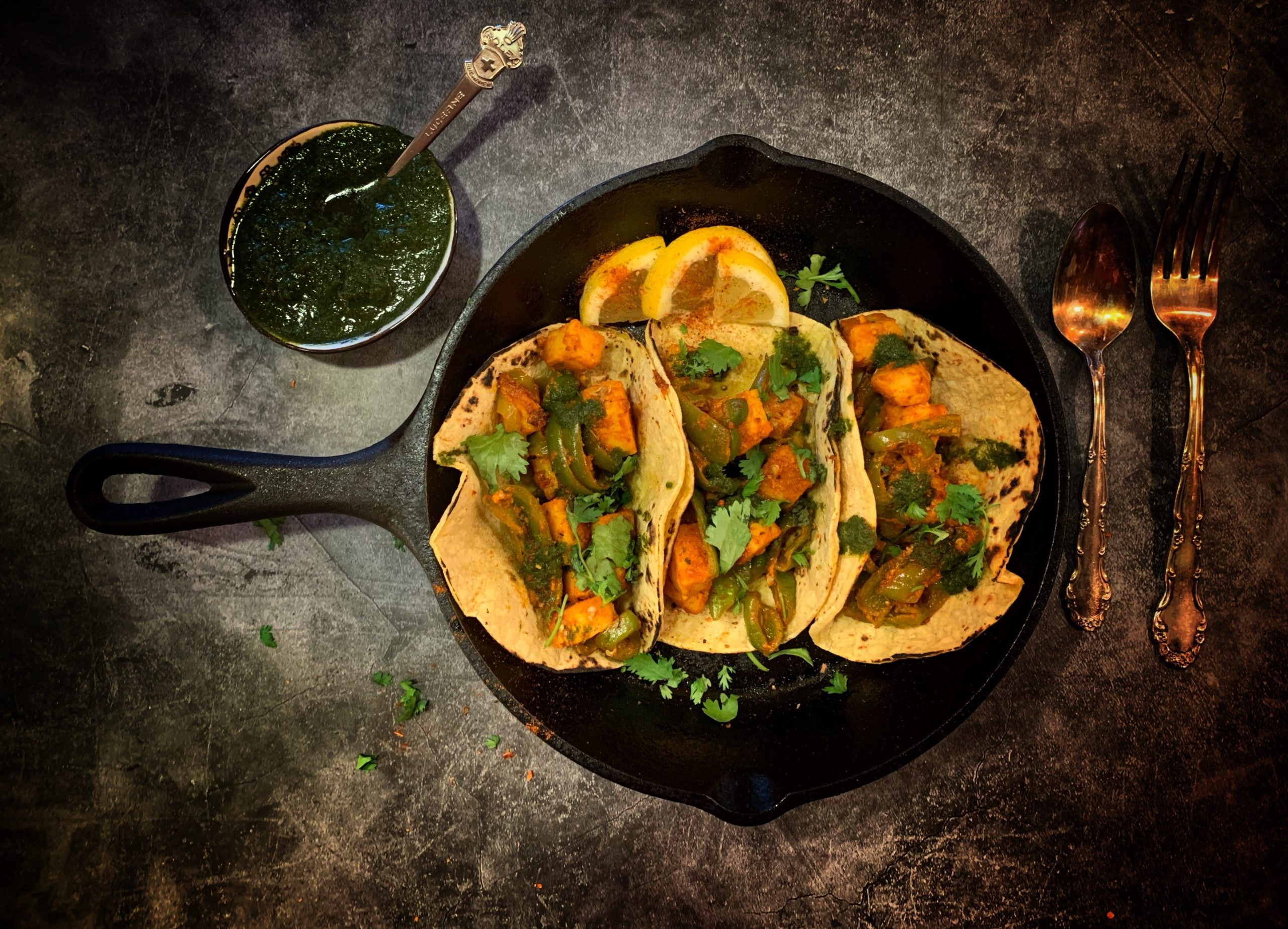
India’s culinary landscape is undergoing a transformation driven by globalization, evolving tastes, and social media. Restaurants now offer dishes blending Indian street food with Korean spices, Mediterranean tacos topped with Indian chutneys, and paneer tikka pizzas, a testament to growing consumer appetite for novelty and personalisation.
In This Article:
The Millennial Palate and Industry Response
A 2024 Restroworks survey reveals that 67% of Indian millennials actively seek fusion cuisine, and over half are intrigued by micro-cuisines, niche genre stumbling blocks that explore angles beyond mainstream fare. Responding to this, both home chefs and fine-dining establishments have embraced modern interpretations, often layering exotic ingredients onto traditional recipes.
Authenticity vs Innovation
The explosion in fusion has sparked debates about whether food is veering too far from its roots. Critics caution that blending chili-laced pasta or tomato-based curries may strip spices of their cultural meaning. Culinary historian Navreet Kaur Rana argues that “authenticity” involves preserving the lore, logic, and historical context behind a dish, factors often overlooked when recipes are repackaged for mass appeal.
Heritage on the Move
Food is a living record of history. The Guardian reminds us that paneer in Bengali sweets and tomatoes in butter chicken originated from Portuguese influence; dishes like pav bhaji and samosa pav reflect centuries of cultural exchange. Even iconic Indian-Chinese cuisine, born in Kolkata’s Chinese diaspora, has become mainstream by spicing up Cantonese stir-fries with desi flair.
Case Study: Indian Accent & Culinary Leadership
Leading the fusion-charge is New Delhi’s acclaimed Indian Accent, helmed by Chef Manish Mehrotra. By reinterpreting nostalgic Indian dishes with global cooking techniques, his Michelin-starred outlets in Delhi, Mumbai, and New York have set international benchmarks for sophisticated “modern Indian cuisine”.
Regional Reinvention with Respect
Not all fusion is about grandeur. In the Himalayas, chefs like Prateek Sadhu, Prakriti Lama Patel, and Deepika Chaulagain are championing “redefinition, not reinvention” of local food, working with foraged ingredients and time-honoured practices, but reframing them with subtle modern touches. Examples include trout ceviche with Himalayan herbs and indigenous millet brews adapted into cocktails, an evolution that honors roots.
Fusion’s Frequent Pitfalls
However, mishandled fusion can come off as superficial or exploitative. Critics like Jonathan Nunn point to “white chefs” borrowing single Asian elements and labeling menus “fusion” without coherence or respect. Furthermore, poorly executed fusion may dilute the essence of regional identity, as seen in generalized “cosmo‐cuisine” menus devoid of local depth.
Navigating the Balance
Indian gastronomy today juggles multiple demands:
- Heritage authenticity – preserving folklore, locale, and technique
- Global creativity – fostering innovation through international lenses
- Consumer trends – catering to millennials and urban explorers hungry for novelty
Health and sustainability trends have also converged: fusion now extends to vegan adaptations, organic sourcing, and wellness-first menus.
Evolving, Not Erasing
Authenticity isn’t about resisting change: it’s about evolving responsibly. As food expert from The Guardian notes, while origin stories matter (“seasoning a dish like salt”), there’s room to savor hybrids like butter chicken pizza or dal-makhani lasagne without losing cultural resonance. The challenge lies in fusion rooted in knowledge and respect, not novelty for novelty’s sake.
In India’s culinary tapestry, tradition and innovation are now woven together. Whether that enriches or erodes authenticity depends on the storyteller: the chef, in whose hands fusion can either build bridges or blur origins.
By – Sonali