


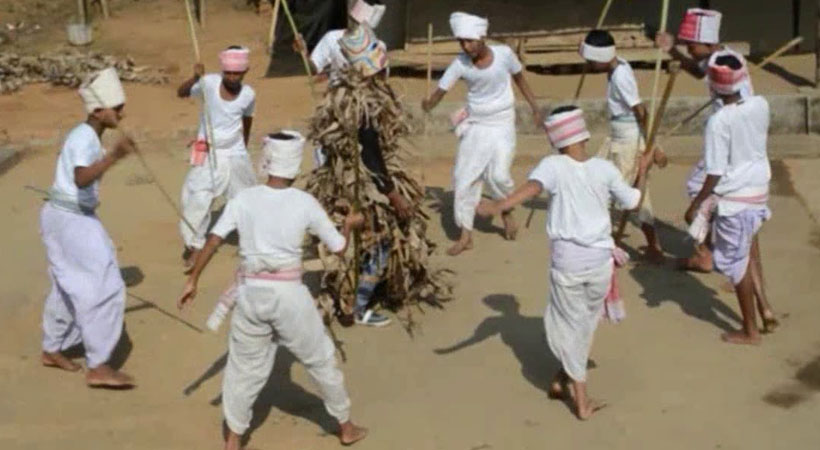
The vibrant northeastern state of Assam, known for its lush landscapes and deep-rooted tribal traditions, plays host to a lesser-known but powerful cultural festival called Mohoho. Celebrated mainly by agrarian communities, this ancient post-harvest festival symbolizes fertility, purification, and the triumph of good over evil — marked by ritualistic bonfires and traditional dance ceremonies.
In This Article:
When and Where is Mohoho Celebrated?
- Mohoho is primarily observed in the western and lower Assam districts — especially among the Koch and Rabha tribes.
- The festival takes place during the month of Kati (October–November) in the Assamese calendar.
- It is synchronised with the agricultural calendar — a way for farmers to express gratitude for the harvest and seek blessings for future sowing seasons.
Rituals and Symbolism
- The central feature of Mohoho is the burning of bamboo effigies, symbolizing the destruction of evil spirits and purification of the land.
- Villagers light large bonfires using dry bamboo poles and sing folk songs, accompanied by traditional instruments like khol, dhol, and pepa.
- Children and women dance around the fire in vibrant traditional attire, celebrating the connection between humans, soil, and ancestral spirits.
- In some villages, mock battles and ritual performances re-enact mythological stories that highlight the battle between good and evil.
Cultural Significance Beyond Agriculture
- Mohoho is not just a harvest festival but also a communal purification ritual.
- It reflects ancient animistic beliefs where natural elements like fire and earth are considered sacred protectors of life and sustenance.
- This festival also serves to strengthen social bonds within the village, especially between youth and elders, through shared storytelling, food, and ritual participation.
Preservation and Modern Awareness
While not widely known outside of Assam, efforts are underway by local cultural bodies and folklore scholars to preserve and promote Mohoho:
- Cultural exhibitions in Guwahati and Bongaigaon occasionally feature Mohoho dance and music performances.
- Ethnographic documentation projects have begun archiving oral traditions and folk knowledge systems associated with the festival.
- Schools in tribal regions have started integrating Mohoho into folk heritage education modules, ensuring the tradition is passed on.
A Festival of Flame, Faith, and Fertility
Mohoho is more than just fire and festivity — it is a reflection of Assam’s ancient agrarian wisdom, spiritual resilience, and deep ecological consciousness. In a modern world that often overlooks hyperlocal traditions, this fiery festival is a reminder of how ritual, soil, and community have long been intertwined in the Indian subcontinent.
By – Nikita