


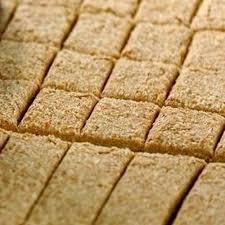
When winter arrives in India, few treats evoke the warmth of tradition and nostalgia like Morena Gajak. Hailing from the Morena district of Madhya Pradesh, this crunchy, nutty, and slightly sweet delicacy has become synonymous with Indian winters, festivals, and heartfelt gifting. But beyond its delicious crunch lies a rich legacy rooted in regional pride, artisanal craftsmanship, and age-old culinary science.
In This Article:
What is Morena Gajak?
Morena Gajak is a traditional Indian sweet made primarily from sesame seeds (til) and jaggery (gur). What makes this Gajak unique compared to others is the meticulous roasting process of the sesame seeds and the slow-cooked jaggery syrup, which come together to form brittle sheets that crackle with flavor. The sweet is sun-dried, making it naturally shelf-stable and preservative-free. Variants may include dry fruits like almonds, pistachios, and cashews to enhance the richness.
The Origin Story: Why Morena?
While Gajak is available across North India, the town of Morena has carved a niche for itself thanks to its perfect climate and traditional methods. The dry winter air and moderate humidity levels in Morena provide ideal conditions for making Gajak, helping it retain its crispness and extend its shelf life. It is said that local artisans have been perfecting the recipe for generations, making this not just a treat, but a testament to inherited culinary wisdom.
The small town has turned this sweet into a cultural export. Families and sweet shops in Morena start preparing Gajak in bulk by November, reaching a peak during Makar Sankranti when demand skyrockets across India.
How is Morena Gajak Made?
The process of making Morena Gajak is a beautiful balance of heat, timing, and technique:
- Roasting Sesame Seeds: Sesame seeds are dry roasted till they crackle, enhancing their nutty aroma.
- Jaggery Syrup: High-quality jaggery is slowly melted to a precise consistency so it hardens just right when cooled.
- Mixing & Setting: Roasted seeds are mixed into the syrup and spread into thin sheets. Once cool, they are cut into neat squares or rolls.
- Sun-Drying: This step is crucial. The sheets are left in the winter sun to set properly, ensuring a long shelf life and signature crunch.
Artisans don’t use thermometers or machines—their skill is guided by intuition, experience, and generational knowledge.
Why Morena Gajak is Gaining Popularity
- Healthier Sweet Option: With growing awareness around healthy eating, Morena Gajak is finding favor as a guilt-free snack. Sesame seeds are rich in calcium, magnesium, and good fats, while jaggery is a natural sweetener with iron and antioxidants.
- Vegan & Preservative-Free: Made without milk, butter, or artificial additives, this sweet appeals to modern dietary preferences without compromising on flavor.
- Cultural Nostalgia: Indian families, especially those with roots in North India, associate Gajak with their childhood and festivals. Morena Gajak offers not just a taste, but a memory.
- Online Availability: Thanks to e-commerce, Morena Gajak is no longer confined to Madhya Pradesh. Artisanal brands now ship it across the globe, attracting food enthusiasts, NRIs, and festive shoppers.
Best Ways to Enjoy Morena Gajak
- With Tea: A crunchy piece of Gajak with evening chai is a winter ritual in many homes.
- Festive Gifting: Packaged in eco-friendly boxes, it makes an ideal gift for Diwali, Lohri, or Sankranti.
- As a Snack: Rich in energy, it’s perfect for mid-morning hunger pangs or pre-workout fuel.
Buying Tips
To ensure authenticity:
- Look for products labeled as Morena Gajak (not just plain Gajak).
- Choose brands that mention sun-drying and traditional methods.
- Opt for jaggery-based versions instead of refined sugar alternatives.
The Future of a Traditional Favorite
As India rediscovers its roots and consumers lean towards authentic, sustainable, and artisanal products, Morena Gajak stands at a sweet crossroads—where tradition meets modern demand. Whether you are a connoisseur of Indian sweets or a curious first-timer, this winter delicacy offers a crunchy bite into India’s culinary heritage.
So next time the winter winds blow, skip the chocolates—bite into tradition with a piece of Morena Gajak.
By – Jyothi
Also Read – Magahi Paan of Bihar: A Cultural Delight Wrapped in Betel Leaves