


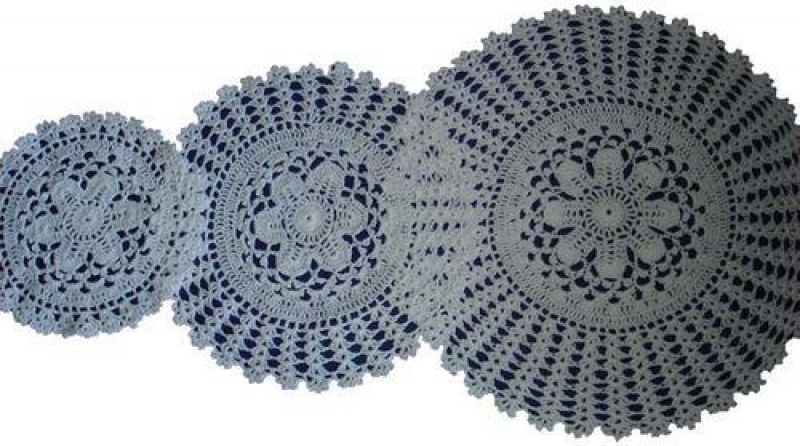
The delicate crochet lace of Narasapur, a coastal town in the West Godavari district, is once again in focus as India’s handloom and handicraft sector witnesses renewed interest from domestic and global markets. Known for its intricate patterns and fine craftsmanship, Narasapur crochet lace products continue to stand as a symbol of heritage, women-led livelihoods, and sustainable fashion.
A Craft Rooted in History
Narasapur’s association with crochet lace dates back over a century, introduced during the colonial period when European missionaries encouraged lace-making as a home-based craft. Over time, local women adapted the technique, blending global patterns with indigenous aesthetics. Today, the town remains one of India’s most prominent hubs for handmade crochet lace, with thousands of women artisans depending on it as a primary or supplementary source of income.
GI Tag and Official Recognition
The Narasapur Crochet Lace received a Geographical Indication (GI) tag in 2024, granting it legal recognition and protection against imitation. This status has helped distinguish authentic Narasapur lace from mass-produced alternatives and has boosted its credibility in export markets. Government agencies and handicraft boards now actively promote the craft at national exhibitions, international trade fairs, and through e-commerce platforms.
Range of Products and Design Evolution
Traditionally used in tablecloths, doilies, and lace borders, Narasapur crochet has expanded into a wide product range. Today’s offerings include home furnishings such as cushion covers, bed runners, curtains, and coasters, along with fashion accessories like stoles, dresses, trims, and bridal wear embellishments. Designers are increasingly collaborating with artisan groups to introduce contemporary motifs, pastel palettes, and minimalist designs that appeal to younger consumers.
Women at the Heart of the Industry
The crochet lace sector in Narasapur is predominantly women-driven. Most artisans work from home, allowing them to balance domestic responsibilities with income generation. Self-help groups (SHGs) and cooperatives play a key role in organizing production, ensuring fair wages, and providing skill upgradation. For many rural households, crochet lace has been a crucial factor in improving financial independence and social empowerment.
Export Demand and Global Appeal
Crochet lace products from Narasapur enjoy steady demand in international markets, particularly in Europe, the United States, and parts of East Asia. Buyers value the handcrafted nature, durability, and eco-friendly production process. Export houses based in Andhra Pradesh source lace directly from artisan clusters, helping connect local craftsmanship to global décor and fashion industries.
Challenges Facing the Sector
Despite its rich legacy, the industry faces challenges. Competition from machine-made lace, fluctuating raw material prices, and limited direct market access for artisans remain concerns. Younger generations are sometimes hesitant to take up the craft due to lower initial earnings and lack of exposure. Stakeholders stress the need for better branding, digital literacy, and design innovation to keep the craft economically viable.
Government and Digital Push
Recent initiatives focusing on Vocal for Local, ODOP-style promotion, and online handicraft marketplaces have provided a fresh push. Training programs in quality control, modern designs, and digital marketing are helping artisan groups adapt to changing consumer trends. Social media and e-commerce platforms are increasingly being used to tell the story behind Narasapur lace, adding value beyond the product itself.
Preserving Heritage, Stitch by Stitch
As India’s handcrafted products gain renewed attention, Narasapur crochet lace stands at a critical intersection of tradition and transformation. With sustained policy support, ethical sourcing, and conscious consumerism, this century-old craft is not just surviving but steadily reclaiming its place in modern homes and wardrobes. For Narasapur’s artisans, every stitch continues to weave heritage, resilience, and hope into lace.
By – Sonali