


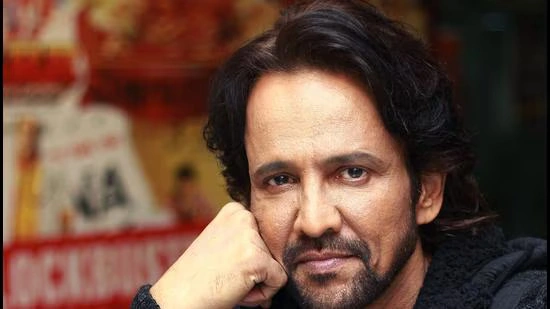
Actor Kay Kay Menon has firmly distanced himself from the Congress party’s newly launched “Vote Chori” campaign, stating that a video featuring his likeness was used without his consent. The actor clarified via social media that the clip in question was taken from his promotional material for the series Special Ops, and he had nothing to do with the political message it was made to endorse.
In the campaign video posted on the official Instagram account of Congress (@incindia), Menon appears as his Special Ops character, Himmat Singh, saying, “Ruko ruko yaar. Scroll karna bandh karo. Agar aap yeh reel dekh rahe ho toh iska matlab kya?” (“Wait, stop scrolling. If you’re watching this reel, what does that mean?”). The video then transitions into a call to join the party’s anti–vote fraud initiative.
Menon’s Public Rebuttal
In response, Menon commented on the Instagram post, writing: “Please let it be noted that I have not acted in this ad. A clip from my Special Ops promotions has been edited and used without permission.” He stressed that he did not authorize or participate in the ad and that it was purely a misuse of his promotional content.
The Congress “Vote Chori” Campaign: Context and Controversy
The “Vote Chori” campaign is part of the Congress party’s intensified efforts to protest what it terms “vote theft,” rooted in concerns over the Election Commission of India’s (ECI) Special Intensive Revision (SIR) exercise in Bihar. The party claims this revision could lead to voter disenfranchisement ahead of upcoming elections.
This campaign includes the launch of a web portal for citizens to register complaints and support the demand for digital voter rolls and transparency from the ECI. Rahul Gandhi, a leading voice in the campaign, has described the movement as a growing mass movement, with hundreds of thousands of downloads and missed calls registering support.
Industry Response and Legal Implications
Legal experts highlight that using an actor’s likeness, especially to promote political messaging, without consent may constitute a violation of personality rights and could expose the party to both legal and reputational risks. Celebrities often guard such rights vigorously, particularly in politically sensitive contexts.
The incident is fueling debate across social media and news platforms about the ethical boundaries of using celebrity images in political campaigns and the consequences when it happens without clear authorization.
What’s Next for Menon and Congress?
For Kay Kay Menon, the next steps may include seeking legal recourse or public retraction from Congress’s side if the clip remains in circulation.
Meanwhile, the party may need to carefully vet promotional strategies and digital content before associating public figures, especially those not politically aligned with campaign messaging. The transparency of their campaign tactics may sway public trust amid a broader narrative questioning electoral fairness and integrity.
Looking Ahead
This incident underscores how digital content can be edited, repurposed, and misappropriated, sometimes rapidly, within political messaging. As India’s political landscape embraces digital campaigning more heavily, clear consent and ethical standards around the use of artistic work and celebrity likenesses have become paramount.
With Bihar elections on the horizon and public scrutiny at its peak, both the Congress party and Kay Kay Menon face decisions that could shape their reputations in the public eye.
By – Sonali