


On April 22, terrorists opened fire in Kashmir’s Pahalgam killing 26 people, in the deadliest attack in the Valley since the Pulwama strike in 2019.
The Resistance Front (TRF), a proxy of the banned Pakistan-based Lashkar-e-Taiba (LeT), claimed responsibility for the attack.
Dar also said that India’s “unilateral and illegal move to hold the treaty in abeyance contravened the established norms of inter-state relations, international law, and the treaty’s own provisions”.
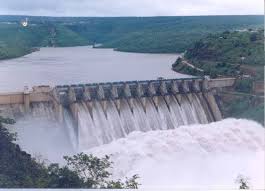
He said that the treaty is critical to regional stability and its sanctity must be preserved. Noting that the waters of the Indus River System remain a lifeline for Pakistan’s 240 million people, he deplored the Indian attempts to weaponise water.
Meanwhile, Prime Minister Shehbaz Sharif announced to explore all options to ensure uninterrupted flow of rivers allotted to Pakistan under the treaty.
Leading politician Bilawal Bhutto-Zardari said that either water will flow in the Indus River or blood.
India on Wednesday suspended the Indus Waters Treaty (IWT) and downgraded diplomatic ties with Islamabad. In response to India’s decision to suspend the IWT, Pakistan on Thursday threatened to suspend the Simla Agreement and put other bilateral accords with India on hold.
Pakistan also suspended all trade, closed its airspace for Indian airlines and said any attempt to divert the water meant for it under the IWT will be considered an Act of War.
Separately, China on Monday said it welcomes all measures to “cool down” the current situation between India and Pakistan, including a “swift and fair investigation” into the Pahalgam terror attack, and expressed support for its all-weather ally in safeguarding its sovereignty and security. PTI SH GSP GSP