


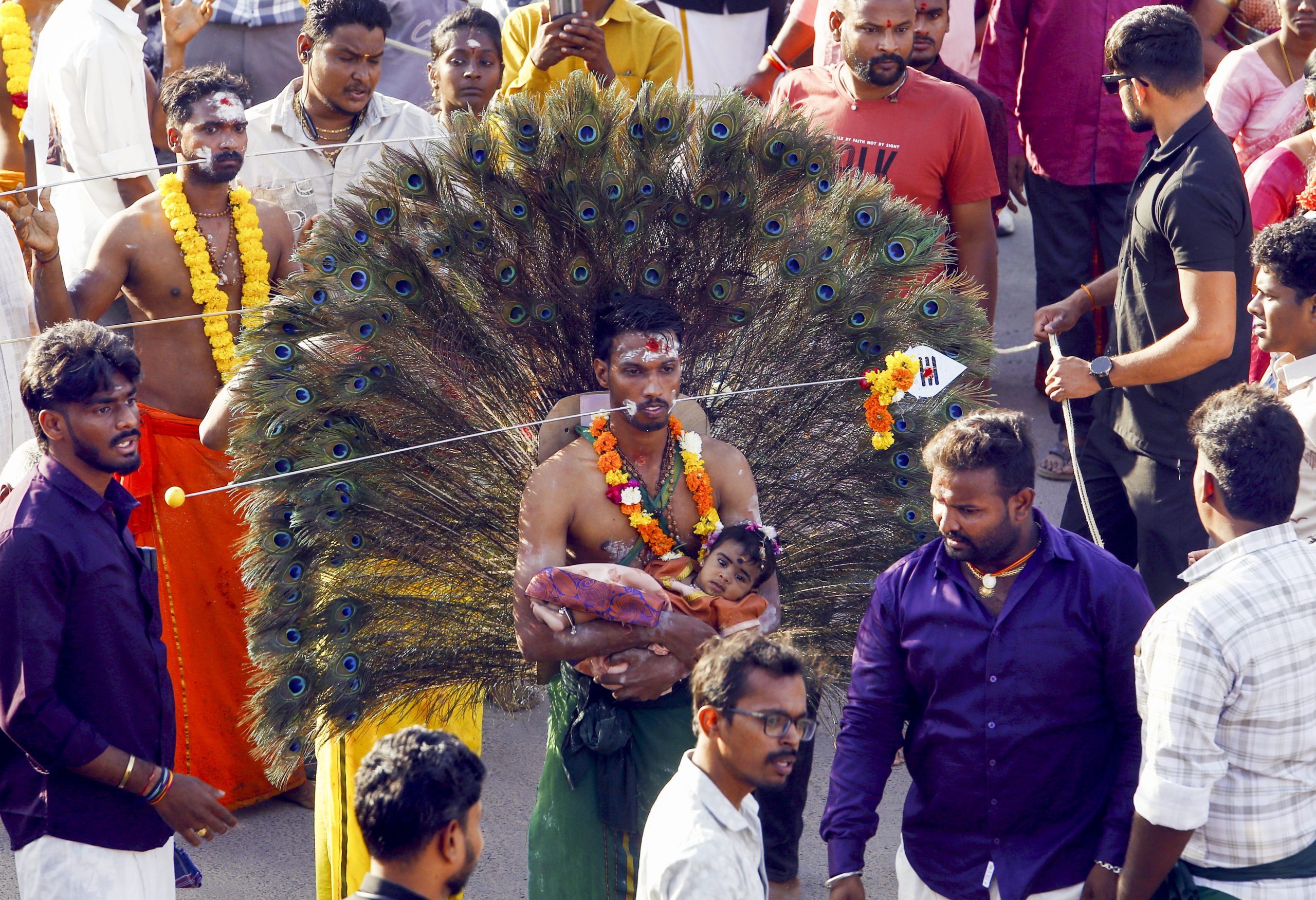
Panguni Uthiram is one of the most important festivals in the Tamil Hindu calendar, observed in the month of Panguni, which usually falls in March or April. The festival is marked on the day when the Uthiram star coincides with the full moon, a combination considered highly auspicious by devotees. It is celebrated across Tamil Nadu with temple rituals, fasting, vows and large gatherings of worshippers.
Why the festival matters
The spiritual importance of Panguni Uthiram lies in its association with divine marriages in Hindu tradition. The day is widely linked with the celestial union of Lord Murugan and Deivanai, and in many traditions it is also connected with other sacred marriages, making it a festival that symbolises love, harmony, commitment and grace. Because of this, many devotees pray for marital happiness, family peace and emotional well-being on the occasion.
Murugan worship at the heart of the celebrations
Panguni Uthiram has a particularly strong connection with Lord Murugan worship. Major Murugan temples in Tamil Nadu witness grand celebrations, special pujas and processions during the festival. The Government of India’s Utsav portal lists the Panguni Uthiram festival at Palani as a major spiritual event, reflecting the deep devotional importance of the day. Tamil Nadu Tourism also notes that Panguni Uthiram is among the key festivals celebrated at Pazhamudhir Solai, one of the six sacred abodes of Lord Muruga.
Rituals, vows and public devotion
The observance of Panguni Uthiram is marked by early-morning temple visits, abhishekams, special offerings and acts of penance. Many devotees observe vrat, carry kavadi or fulfil personal vows as a sign of gratitude and devotion. In temple towns, the atmosphere becomes especially vibrant, with decorated processions, devotional songs and crowds of worshippers joining together in prayer. The festival reflects not only religious faith but also a strong sense of community participation.
A celebration beyond ritual
What gives Panguni Uthiram its lasting appeal is the emotional and cultural meaning attached to it. The festival is not seen only as a temple observance, but also as a reminder of sacred relationships and the importance of togetherness in family and social life. In a fast-changing world, festivals like Panguni Uthiram continue to hold relevance because they connect spiritual belief with human values such as trust, duty and devotion.
Enduring relevance in Tamil culture
From Palani to other major temple centres, Panguni Uthiram remains a living expression of Tamil faith and heritage. Its blend of mythological significance, public celebration and personal devotion keeps it deeply rooted in the cultural life of the region. For devotees, it is a day of prayer and fulfilment. For the wider community, it is a powerful reminder that tradition, when carried with sincerity, continues to inspire across generations.
By – Juhi