


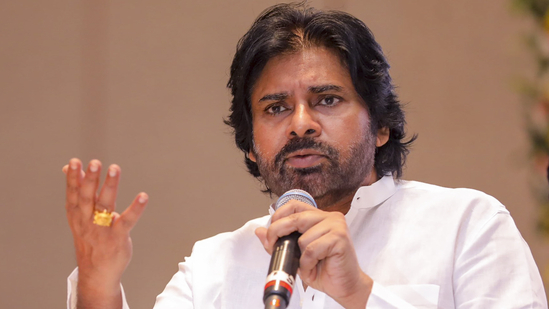
In a strong show of solidarity for regional cinema, Andhra Pradesh Deputy Chief Minister and Telugu superstar Pawan Kalyan has publicly endorsed a proposal to increase ticket prices for the Kannada blockbuster Kantara: Chapter 1 in Andhra Pradesh. His statement comes amid recent controversies surrounding the release of his own film in Karnataka and calls from some quarters to restrict Kannada films in Telugu-speaking states.
A Staunch Advocate for Artistic Unity
Pawan Kalyan, whose own film They Call Him OG faced distribution hurdles in Karnataka, underscored the unifying power of cinema. “Cinema, music, sports, and cultural arts have no boundaries of language, region, caste, or religion. Their core purpose is to entertain and connect people from all walks of life,” he asserted, decrying attempts to use regional sentiment as a tool for exclusion.
He went on to highlight that while OG encountered restrictions attributed to “a few individuals pushing their personal agendas” some voices have begun suggesting retaliatory measures against Kannada films in Telugu territories. “I do not support this thinking,” Kalyan emphasized, advocating instead for unrestricted access to all forms of quality cinema.
Art as a Bridge, Not a Barrier
In his address, Kalyan stressed that “art and cinema must spread joy, bridge cultures, and bring people together, not drive them apart.” He called upon audiences to exercise personal choice rather than engage in collective boycotts motivated by regional rivalries. “Every individual has the right to watch the film they love. If you don’t like a film, you can choose not to watch it – but using personal hate or agendas to target films is simply unacceptable,” he stated, framing cinema as a vehicle for cultural diplomacy rather than division.
By endorsing a ticket price hike for Kantara, Kalyan offered a constructive alternative to bans or bans-like measures. Higher prices, he suggested, would reflect the film’s proven commercial appeal while addressing concerns over cross-border screenings without resorting to outright prohibition.
The Success of Kantara: Chapter 1
Kantara: Chapter 1 has already made waves across India, celebrated for its blend of folklore, action choreography, and regional authenticity. The film’s robust box office performance in Karnataka has prompted distributors to propose elevated ticket rates in neighboring states, including Andhra Pradesh, to capitalize on its popularity and offset additional logistics costs. Kalyan’s support lends political weight to this commercial strategy and signals a broader commitment to pan-Indian cinematic exchange.
Responding to Regional Tensions
The backdrop of this endorsement is the tense reception OG received in parts of Karnataka, where screenings were reportedly curtailed by organized protests. Sources close to Kalyan describe his stance as a principled defense of creative freedom rather than a political maneuver. “Pawan Kalyan’s love for cinema has always been evident, not just as an actor but as a true patron of the arts. His consistent respect for filmmakers, technicians, and performers, irrespective of language or origin, reflects his belief that good cinema should be celebrated no matter where it comes from,” insiders remark.
This position contrasts sharply with calls from fringe groups urging restrictions on films based solely on their linguistic origin. By advocating for price hikes instead of bans, Kalyan seeks to transform cultural conflict into economic opportunity, ensuring that audiences in Andhra Pradesh can access Kantara while still acknowledging its success.
Implications for Pan-Indian Cinema
Kalyan’s intervention may set a precedent for how regional stars and politicians approach cross-border film releases in India. In a rapidly globalizing entertainment landscape, rigid barriers between linguistic markets risk alienating audiences and limiting revenue potential. Endorsements like Kalyan’s signal a shift toward collaborative promotion of diverse regional content, paving the way for a more integrated Indian film industry.
Looking Ahead
As Kantara: Chapter 1 prepares to roll out across Telugu states, audiences and exhibitors will closely watch ticket pricing trends. If the proposed hikes are implemented, they may serve as a model for future inter-regional releases, balancing commercial interests with cultural inclusivity. Meanwhile, Pawan Kalyan’s vocal support underscores a broader message: that art should unite rather than divide, celebrating India’s rich tapestry of languages and storytelling traditions.
By – Sonali