


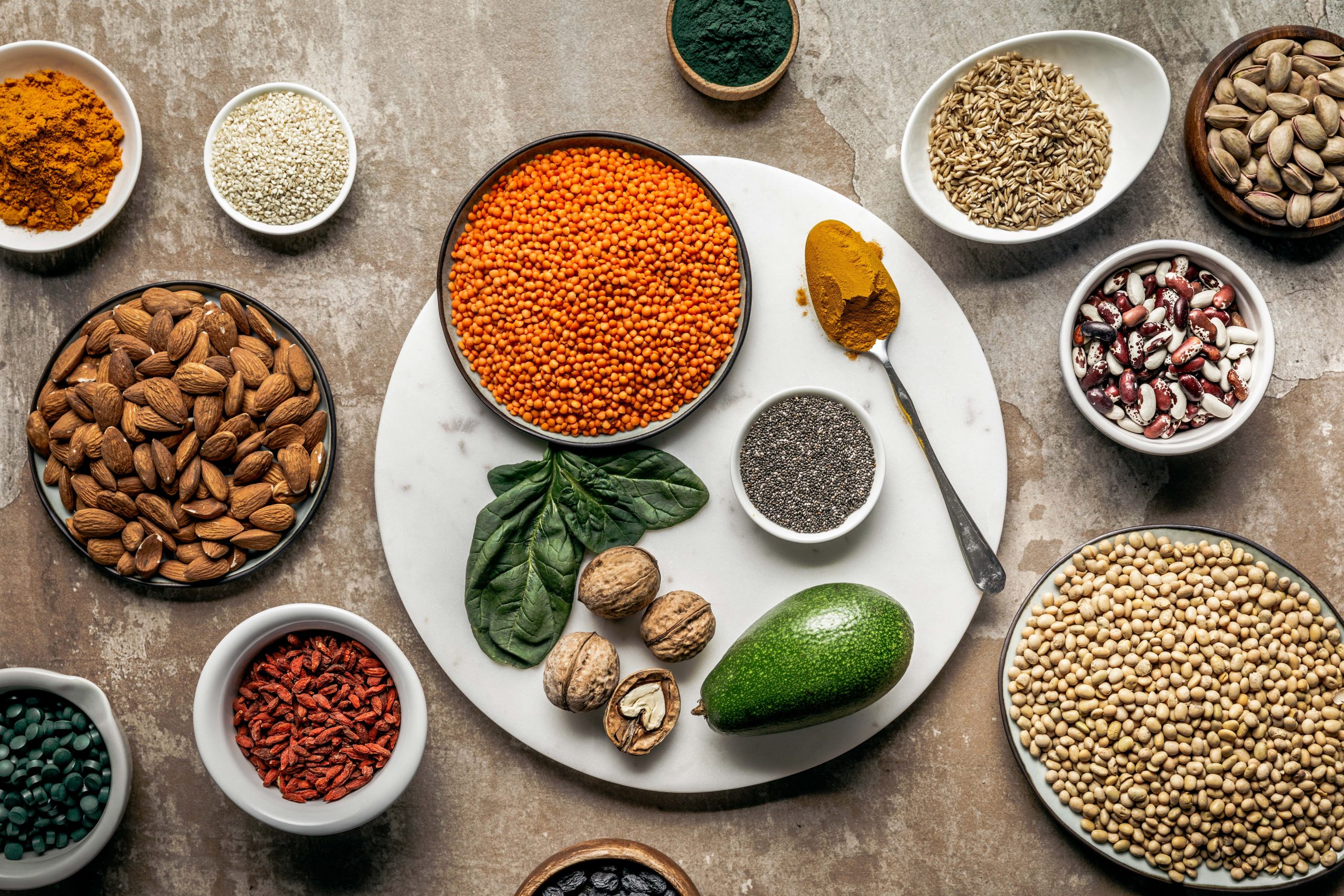
In an era defined by wellness trends, locally sourced Indian superfoods are proving they often pack more nutrients, environmental sustainability, and affordability than imported rivals like quinoa, kale, acai, and chia. This growing realization is spotlighting Indian staples such as moringa, ragi, amla, turmeric, and more, which not only match but often surpass the exotic options in health benefits.
In This Article:
- Moringa vs Kale: A Nutrient Giant
- Ragi vs Quinoa: Sustaining Staples
- Amla vs Goji: Vitamin C Champion
- Turmeric vs Matcha & Others: Ancient Golden Power
- Sesame & Fenugreek vs Chia and Others
- More Indian Superfood Champions
- Why Local Beats Imported
- Take-Home Message
Moringa vs Kale: A Nutrient Giant
Known as the “miracle tree,” moringa leaves deliver seven times more vitamin C than oranges and fifteen times more potassium than bananas, along with high levels of iron, calcium, and antioxidants. They also offer potent anti-inflammatory and blood sugar–regulating compounds. Kale, though trendy in the West, simply can’t compete with this nutrient density.
Recent reporting confirms regular consumption of drumsticks (moringa pods) enhances immunity, supports digestion, strengthens bones, and aids heart health.
Ragi vs Quinoa: Sustaining Staples
Ragi, or finger millet, outdoes quinoa on several fronts; it is richer in calcium, iron, fiber, and essential amino acids and helps stabilize blood sugar. It is also climate-friendly, locally grown, and less resource-intensive than quinoa’s South American cultivation.
Amla vs Goji: Vitamin C Champion
Amla (Indian gooseberry) boasts vastly higher vitamin C content than imported goji berries, alongside polyphenols and flavonoids that enhance immunity, skin health, and digestion and help manage cholesterol and glucose levels. Modern clinical insights further link amla with reduced inflammation and improved metabolic health, though caution is advised for interactions with certain medications.
Turmeric vs Matcha & Others: Ancient Golden Power
Turmeric, root of Indian culinary traditions, is a potent antioxidant and anti-inflammatory agent thanks to curcumin. Unlike imported antioxidants like matcha, turmeric is more accessible, versatile (as golden milk, spice, and teas) and backed by decades of research into benefits for brain health, immunity, and chronic inflammation.
Sesame & Fenugreek vs Chia and Others
Black sesame seeds (til) deliver powerful doses of calcium, magnesium, zinc, and healthy fats, supporting bones, heart, and skin, far surpassing chia seeds in mineral content and cultural roots.
Fenugreek (methi), another Indian staple, helps regulate blood sugar, lower cholesterol, and support weight management and libido, making it a smarter, local alternative to exotic options.
More Indian Superfood Champions
Several other indigenous foods have health profiles that rival imported options:
- Makhana (fox nuts): High in protein, calcium, and fiber; an ideal heart-healthy snack.
- Jackfruit vs Avocado: Rich in fiber, vitamins A and C, potassium, and antioxidants, jackfruit serves as a sustainable plant-based meat alternative.
- Millets (ragi, bajra, jowar): Gluten-free, mineral-rich grains that reduce the risk of diabetes and obesity.
- Fermented foods (dahi, idli, dosa, kanji): Naturally probiotic, they aid digestion, reduce inflammation, and may prevent lifestyle diseases like obesity and diabetes.
Why Local Beats Imported
- Sustainability: Indian superfoods grow locally, reducing the carbon footprint linked to imports and supporting domestic agriculture.
- Affordability and Access: Most ingredients are budget-friendly and deeply embedded in traditional diets.
- Cultural Trust and Scientific Backup: These foods are backed by thousands of years of Ayurvedic use, now validated by modern studies.
Take-Home Message
From moringa and ragi to amla, turmeric, and fermented staples, Indian superfoods combine tradition, nutrition, sustainability, and affordability. As global diets shift back toward holistic well-being, these locally grown powerhouses not only rival imported “superfoods,” but they also often outperform them on both nutrition and impact.
Embracing these homegrown ingredients reconnects us with generations of nutritional wisdom while aligning our plates with the planet and our health, no exotic imports required.
By – Sonali