


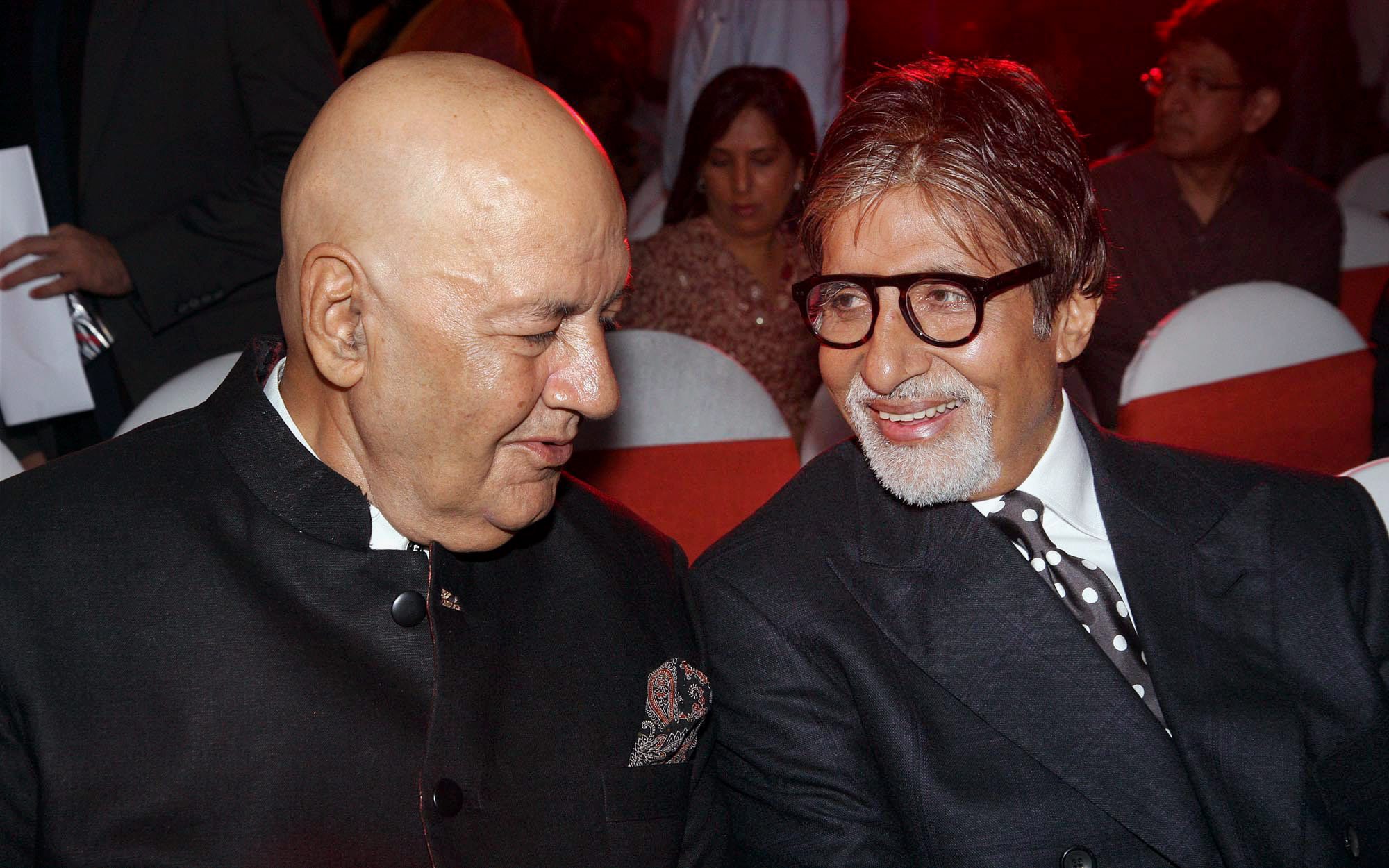
In the annals of Bollywood, few dialogues have achieved the mythic status of “Prem naam hai mera… Prem Chopra!”—a line that didn’t just introduce a villain but birthed an archetype of suave, self-assured menace. Delivered by the legendary Prem Chopra in Yash Chopra’s Karma (1986), the moment he steps out of a helicopter, cigarette in hand, and utters those words with a smirk, the screen crackles with danger. The line wasn’t scripted as a throwaway; it was a declaration of identity, a villain owning his name like a brand of terror. In an era dominated by dacoit dramas and angry young men, Prem Chopra’s Prem became the blueprint for the urbane, English-speaking, cigarette-wielding antagonist who was as charming as he was cruel. The dialogue, trending with 1.2 million #PremNaamHaiMera X mentions in 2025, remains a cultural touchstone, echoing in memes, ringtones, and even political satires.
From Sidekick to Sinister Sophisticate
Before Karma, Prem Chopra was already a prolific villain—over 400 films, from Do Raaste (1969) to Kati Patang (1971)—but his characters were often brutish or caricatured. Karma transformed him. Directed by Subhash Ghai, the film pitted him against Dilip Kumar’s vigilante “Dada Thakur,” and Chopra’s Prem was no mere henchman. Clad in tailored suits, speaking fluent English, and exuding aristocratic arrogance, he represented the new urban evil—corrupt, connected, and cultured. The line “Prem naam hai mera…” was improvised on set, as Chopra later revealed in a 2018 interview: “I wanted to give him swagger. The name Prem means love, but I made it fear.” The audience erupted in theaters; the dialogue became a catchphrase, spawning parodies in Andaz Apna Apna (1994) and countless TV skits.
The Ripple Effect: Villains Who Borrowed the Blueprint
The line birthed a lineage. Gulshan Grover’s “Bad Man” persona in the 90s owed its polish to Prem’s template. Danny Denzongpa’s sophisticated dons in Hum (1991) and Ghatak (1996) echoed the same English-Hindi duality. Even modern antagonists—like Nawazuddin Siddiqui’s Faisal in Gangs of Wasseypur (2012)—carry traces of that self-introducing swagger. In Karma, Prem’s character rapes, murders, and mocks justice, yet his charm makes him unforgettable. As film historian Rachel Dwyer notes, “He wasn’t a monster; he was a mirror to society’s hypocrisies—rich, ruthless, and revered.” The line’s immortality lies in its irony: a name of love weaponized into villainy.A Legacy Etched in Smoke and Swagger“Prem naam hai mera…” isn’t dialogue—it’s dynasty. From 1986’s helicopter descent to 2025’s viral reels, it thunders: Can a name redefine evil? Prem Chopra’s smirk affirms yes, scripting an era where villains weren’t just feared—they were branded in Bollywood’s boldest blaze.
-By Manoj H