


OTT is no longer just an alternative to the big screen. In 2026, it has become one of the most exciting spaces for female-led storytelling in India. As platforms expand their slates and audiences grow more open to layered, unconventional narratives, women are no longer being treated as side characters in someone else’s journey. They are the story. And the actresses leading this shift are not just winning praise — they are changing what digital entertainment looks like.
Shefali Shah: The Face of Performance-Driven OTT
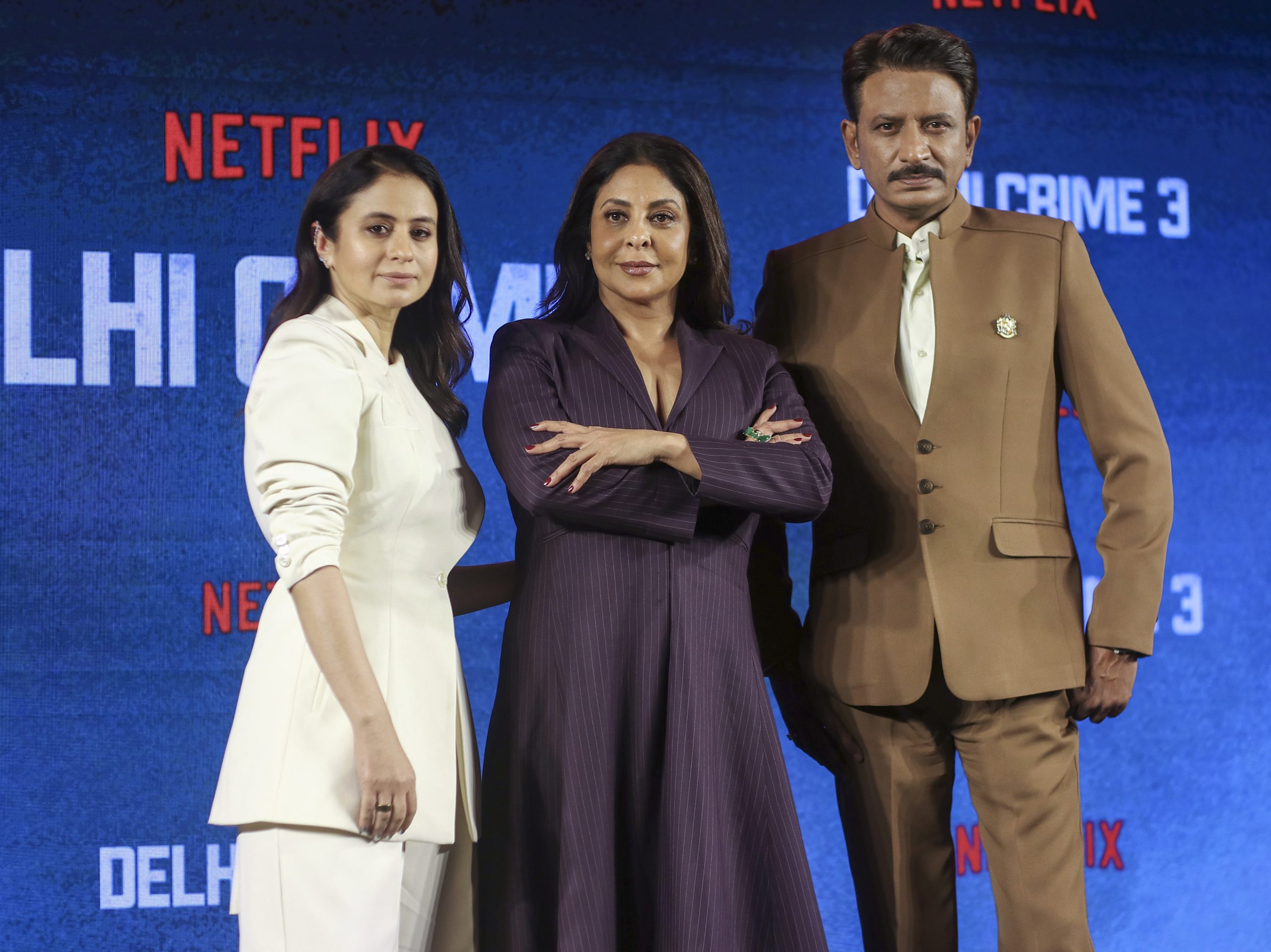
Few actresses symbolise the power of OTT better than Shefali Shah. With Delhi Crime, she proved that a woman can lead a hard-hitting, prestige series with authority, complexity and emotional force. She has herself said that the show changed her life and made the industry see her as someone who could carry a project on her shoulders. In the streaming era, that matters. Shefali Shah helped make serious, female-led digital drama feel both credible and compelling.
Huma Qureshi: Breaking the Myth of Male-Led Success
Huma Qureshi has become one of the strongest voices of the OTT revolution. Speaking about the streaming space, she argued that OTT is debunking the old myth that only men fuel projects in Indian entertainment. That statement captures why Huma matters. Through shows like Maharani, she has shown that a politically sharp, woman-centric series can connect with audiences at scale. Her digital journey reflects a bigger change: women are no longer waiting for “strong roles” to come to them — they are occupying the centre of the frame.
Sushmita Sen: Grace, Grit and Reinvention
Sushmita Sen’s Aarya remains one of the defining titles of India’s streaming boom. The crime drama was Emmy-nominated, and Sen has described the show as a source of empowerment. That is precisely why her OTT success feels so important. Aarya was not just a comeback vehicle; it became proof that mature female stars could command digital audiences with intelligence, presence and emotional depth. Sushmita turned reinvention into a statement of power.
Samantha Ruth Prabhu: Bringing Star Power to Streaming
Samantha Ruth Prabhu represents another major OTT shift — the arrival of top-tier pan-Indian star power in ambitious digital storytelling. In Prime Video’s Citadel: Honey Bunny, she said what drew her most was the chance to play a “well-etched out female character,” adding that such roles are rare. That comment says everything about the current moment. OTT is giving even established stars the opportunity to explore characters that are tougher, messier and far more dimensional than many conventional screen roles allow.
Mona Singh: Owning Space Beyond Age Barriers
Mona Singh’s rise in the streaming space also reflects why OTT feels more democratic for women. Netflix’s Kohrra Season 2 positions her in a major new role, while Singh has openly criticised the industry’s double standards around age, noting how women are often given an “expiry date” that men are not. In digital entertainment, actresses like Mona are pushing back against those old limits by choosing sharp, relevant roles that foreground craft over glamour.
Why This OTT Moment Matters
What makes these women true queens of OTT is not just popularity. It is influence. They are expanding the shelf life of actresses, strengthening women-led genres, and proving that audiences are ready for female characters who are flawed, political, dangerous, maternal, vulnerable and powerful — sometimes all at once. Digital entertainment in India is being redefined by women who are no longer fitting into the system. They are reshaping it.
By – Juhi