


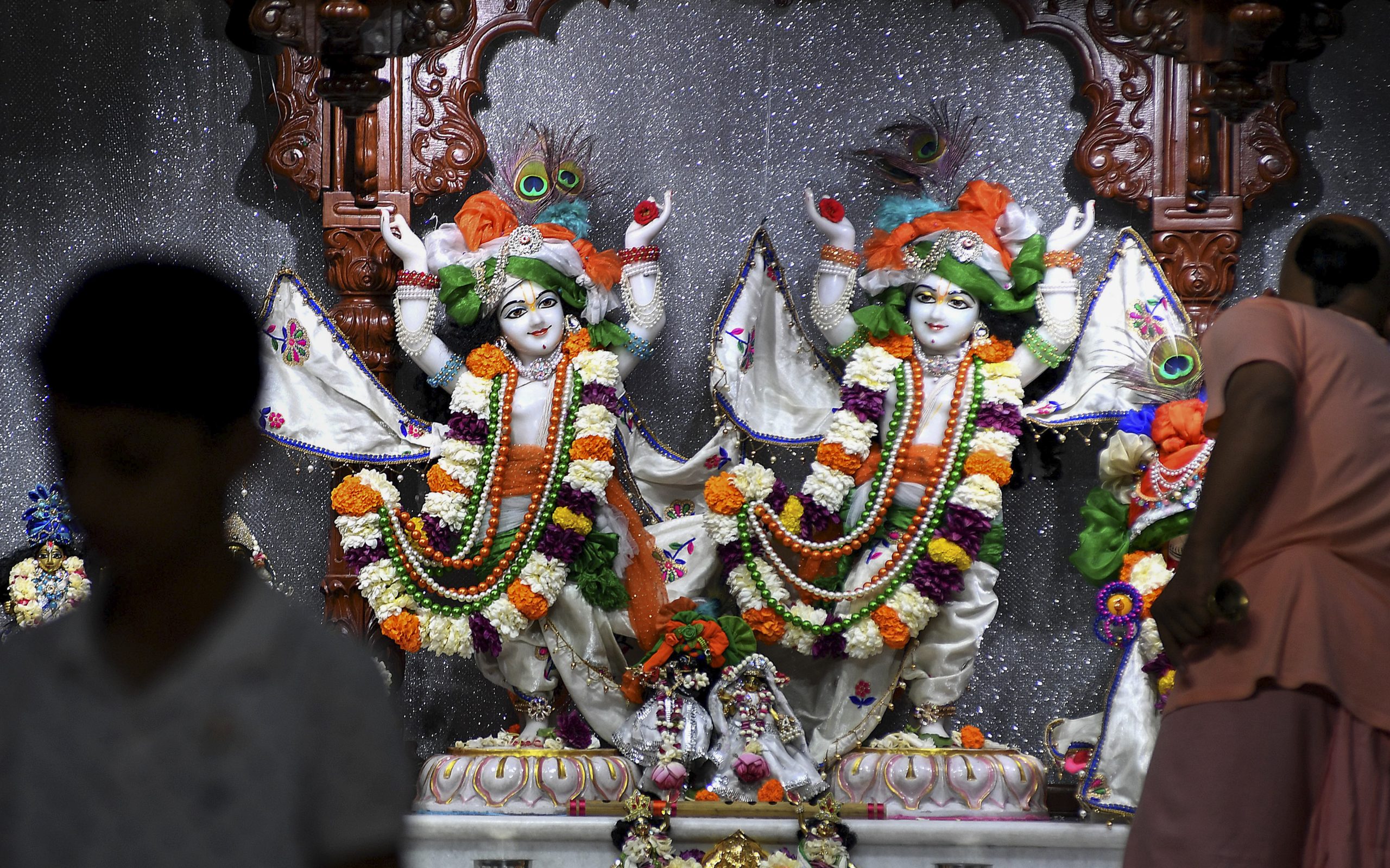
In the vast tapestry of Indian culture, few names shine brighter than Radha and Krishna. Their love story, rooted in ancient scriptures like the Bhagavata Purana, Gita Govinda, and Brahma Vaivarta Purana, has inspired poetry, music, dance, and art for over a thousand years. Yet, what makes it extraordinary is not just romance — it’s the way their bond challenges time, distance, and even the traditional definition of love.
Not Just Myth, But Cultural Reality
While historians agree that Krishna is revered as the eighth avatar of Vishnu, Radha’s presence is primarily celebrated in devotional traditions, especially in Gaudiya Vaishnavism. In these traditions, Radha is considered the embodiment of pure devotion — her love for Krishna symbolizing the soul’s yearning for the divine.
- Scriptural References: The earliest textual references to Radha appear in Jayadeva’s Gita Govinda (12th century CE).
- Historical Impact: Their story has been celebrated in temple art from Barsana, Vrindavan, and Puri to the Jagannath temples of Odisha.
- Philosophical Depth: Radha is revered not as Krishna’s consort in a worldly sense but as his eternal spiritual counterpart.
A Bond Beyond Marriage
One of the most debated — and spicy — aspects of their story is the fact that Radha and Krishna were never married. In a society that often judges love by legality, their relationship stands as a challenge. Devotees argue that theirs is the highest form of love, free from worldly constraints and societal norms. Critics, however, question how this unconventional narrative fits into moral frameworks.
Modern Resonance
In today’s world of fleeting relationships, the Radha-Krishna saga finds surprising relevance. For believers, it is a reminder that true love is about spiritual connection, not possession. Bollywood and TV serials have romanticized their bond, but scholars warn against diluting the philosophical essence into mere romantic drama.
Why It Still Captivates
Their love story is not a closed chapter of ancient India; it’s a living tradition:
- Festivals like Holi and Janmashtami keep their memory alive.
- Bhajans and kirtans in Vrindavan still echo their names daily.
- Artists from Raja Ravi Varma to modern painters continue to immortalize them.
Love as Rebellion
In a time when caste, class, and political divides often dictate relationships, the Radha-Krishna narrative feels almost rebellious. It tells us love need not be bound by societal contracts; it can be a spiritual union that defies logic, law, and even time itself.
Whether you see them as divine figures, poetic archetypes, or cultural icons, Radha and Krishna remain India’s eternal lovers — a pair whose connection goes beyond flesh, beyond vows, and beyond the ticking of the clock.
By – Nikita