


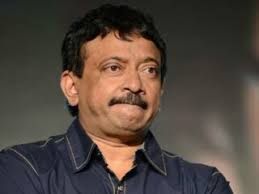
Filmmaker Ram Gopal Varma (RGV), the maverick director behind cult classics like Satya and Company, showered high praise on the VFX in Teja Sajja’s superhero film Mirai via a tweet on September 12, 2025, comparing it favorably to Hollywood standards and Baahubali. Directed by Karthik Gattamneni and produced by TG Vishwa Prasad, Mirai—a pan-Indian fantasy action thriller released on September 12—features Sajja as a young warrior battling mythical forces. RGV’s endorsement, shared from Mumbai, highlighted the film’s “unanimous praise” and “narrative grip,” marking a significant nod to Telugu cinema’s technical prowess amid its ₹101 billion industry growth.
RGV’s Glowing Review: Hollywood Grip on Indian Screens
In his tweet, RGV wrote, “A BIG SHOUT OUT to @tejasajja123@Karthik_gatta and @vishwaprasadtg for delivering an INDUSTRY HIT ..Not since BAHUBALI did I hear such UNANIMOUS PRAISE for any other film #Mirai .. Both the VFX and the Narrative GRIP are of HOLLYWOOD STANDARD.” This rare acclaim from the controversial director, known for critiquing big-budget spectacles, underscores Mirai’s visual spectacle. The film, with a reported ₹150 crore budget, boasts seamless CGI for epic battles and mythical creatures, rivaling international blockbusters like Avengers. RGV later expanded on X, slamming VFX in ₹400 crore films as inferior: “After seeing #Mirai, I don’t remember the last time VFX felt so grand, even in the so-called +400 cr films.” His words, viewed millions of times, fueled fan debates on Indian cinema’s technical evolution.
Mirai’s VFX Journey: From Concept to Cinematic Triumph
Mirai, meaning “future” in Japanese, follows Sajja’s character as a reluctant hero unlocking ancient powers to save his village from dark forces. The VFX, handled by international studios like DNEG and local teams, includes hyper-realistic sequences of flying warriors and elemental battles, earning a 9.2/10 IMDb rating post-release. Gattamneni, in a Filmfare interview, revealed the challenges: “We aimed for Hollywood polish without the budget—over 1,500 VFX shots, blending practical effects with CGI.” Sajja’s physical transformation, including archery training, complements the digital wizardry, making Mirai a visual feast. Early box office figures show ₹55 crore in its opening weekend, with praise pouring in for the “next-level” effects that outshine many high-budget epics.
The Human Angle: RGV’s Endorsement Sparks Inspiration
RGV’s tweet resonated personally with Sajja, who replied: “Sir, your words mean the world—coming from a legend like you!” For the 31-year-old actor from Warangal, Mirai is a passion project post-Hanu-Man’s success, where he trained for months to embody the hero. RGV, often polarizing with his bold takes, surprised fans by lauding a devotional superhero film, tweeting about Manoj Manchu’s villainy: “I thought you were miscast, and I slapped myself after seeing your terrific portrayal.” This exchange highlights mentorship in Indian cinema, inspiring young talents amid 780-language diversity. Fans like Hyderabad’s Ravi Kumar said, “RGV’s praise validates Mirai as a game-changer—VFX that feels alive!”
Broader Impact: Elevating Indian VFX Globally
RGV’s comments spotlight Indian cinema’s VFX maturation, from Baahubali’s groundbreaking effects to Mirai’s seamless integration. In a ₹101 billion industry, where Telugu films lead technical innovation, this endorsement counters criticisms of over-reliance on spectacle. As Mirai eyes ₹300 crore worldwide, it raises questions: Can such praise propel more Hollywood-caliber projects? With streaming giants like Netflix acquiring rights, RGV’s shout-out proves Indian VFX is no longer playing catch-up—it’s setting the pace.
-By Manoj H