


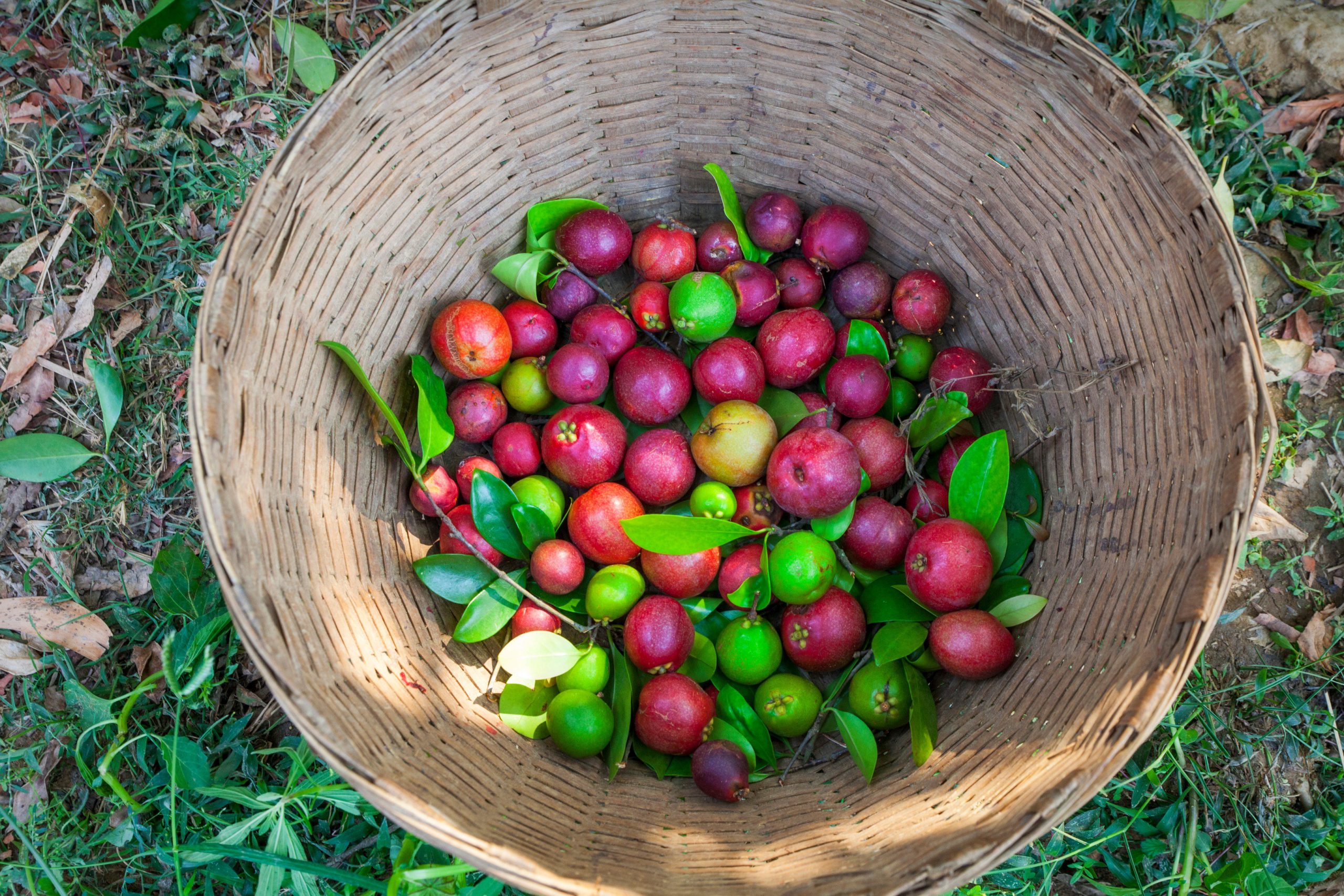
The western coastline of India is home to a vibrant ecosystem and rich cultural heritage, with the district of Ratnagiri in Maharashtra standing out as a land of natural abundance. While Ratnagiri is world-famous for its Alphonso mangoes, another lesser-known yet equally remarkable gem that thrives in this region is the kokum fruit. Known locally as Amsul or Bhirand, Ratnagiri Kokum (Garcinia indica) is a small, purple fruit revered for its culinary versatility, medicinal properties, and ecological significance.
In This Article:
Origins and Botanical Background
Kokum, or Garcinia indica, is a tropical fruit-bearing tree indigenous to the Western Ghats – one of the world’s biodiversity hotspots. The tree grows up to 15-20 meters tall and thrives in the humid, coastal climate of Ratnagiri, which provides ideal soil and weather conditions for high-quality kokum cultivation.
The tree yields small, round fruits that ripen from green to a deep purple-red in the summer months, particularly April to June. Unlike many seasonal fruits, every part of kokum – rind, pulp, and seeds – is utilized in some form.
Why is Ratnagiri Kokum Special?
Although kokum is grown in several parts of Maharashtra and Karnataka, the Ratnagiri variety is considered the finest due to its:
- Superior pulp content
- Balanced sweet-sour flavor
- High levels of anthocyanins, natural antioxidants responsible for its deep red color
- Rich garcinol content, an anti-inflammatory compound
The clean environment, mineral-rich laterite soil, and low pollution in Ratnagiri contribute to the exceptional quality of kokum grown here.
Culinary Uses of Kokum
In the Konkan and Goan kitchens, kokum is a beloved ingredient, especially as a natural souring agent. The dried rind is used in place of tamarind to lend dishes a mild tartness and a rich red hue.
Popular culinary uses include:
- Kokum Kadhi: A cooling, pinkish curry made with kokum, coconut milk, mustard seeds, and garlic. Often served with rice.
- Kokum Sherbet: A refreshing summer drink known for its cooling effect on the body, flavored with cumin and black salt.
- Fish Curries: Kokum adds depth and tang to Konkan-style seafood gravies.
- Pickles and Chutneys: The dried rind is blended into zesty accompaniments.
Kokum is also used to prepare jellies, squash, syrup, jams, and fermented beverages, making it a staple in coastal households and commercial food processing units.
Medicinal and Nutritional Benefits
For centuries, kokum has been part of Ayurvedic and folk medicine due to its impressive health profile:
- Body coolant: Kokum drinks are widely consumed in summer to prevent heatstroke.
- Digestive aid: It is known to soothe the stomach, aid in digestion, and relieve flatulence and acidity.
- Anti-inflammatory and antioxidant: Garcinol, present in kokum, helps combat inflammation and oxidative stress.
- Weight management: Contains Hydroxycitric Acid (HCA), believed to suppress appetite and inhibit fat production.
- Liver health: Kokum is often recommended in traditional medicine for detoxifying the liver.
- Skin benefits: Kokum butter, extracted from the seeds, is used in moisturizers, balms, and lotions due to its soothing and regenerative qualities.
Farming and Sustainability
Kokum trees require minimal maintenance, making them highly sustainable. They can grow without chemical inputs and are resistant to drought, making them ideal for the eco-sensitive zones of Ratnagiri.
Kokum is often grown alongside mango and cashew trees in multi-crop plantations, which help maintain soil fertility and promote biodiversity. Many tribal communities and small-scale farmers rely on kokum as a source of seasonal income, harvesting the fruit and producing value-added goods like:
- Dried kokum rind
- Kokum juice concentrate
- Kokum butter
- Kokum seed oil
- Herbal teas
Economic Importance
Kokum cultivation has created numerous livelihood opportunities in the Ratnagiri region, especially for women-led self-help groups and cottage industries. Local cooperatives help farmers process and market kokum products domestically and internationally.
As demand for organic, functional, and indigenous superfoods grows, Ratnagiri Kokum is being increasingly recognized for its market potential. The fruit is now sold in both raw and processed forms through:
- Online organic stores
- Ayurvedic product suppliers
- Gourmet food markets
- Export companies
There are ongoing efforts to secure Geographical Indication (GI) status for Ratnagiri Kokum, similar to the status held by Alphonso mangoes, to protect its authenticity and boost its economic value.
A Heritage Fruit for the Future
In the modern world, where synthetic flavorings and commercial medicines often take precedence, kokum remains a symbol of nature’s wisdom. It is a fruit that bridges the gap between taste and therapy, bringing together culinary pleasure and health benefits in one vibrant orb.
With greater awareness, sustainable practices, and government support, Ratnagiri Kokum is poised to become a global ambassador of India’s indigenous superfoods.
By – Nikita