


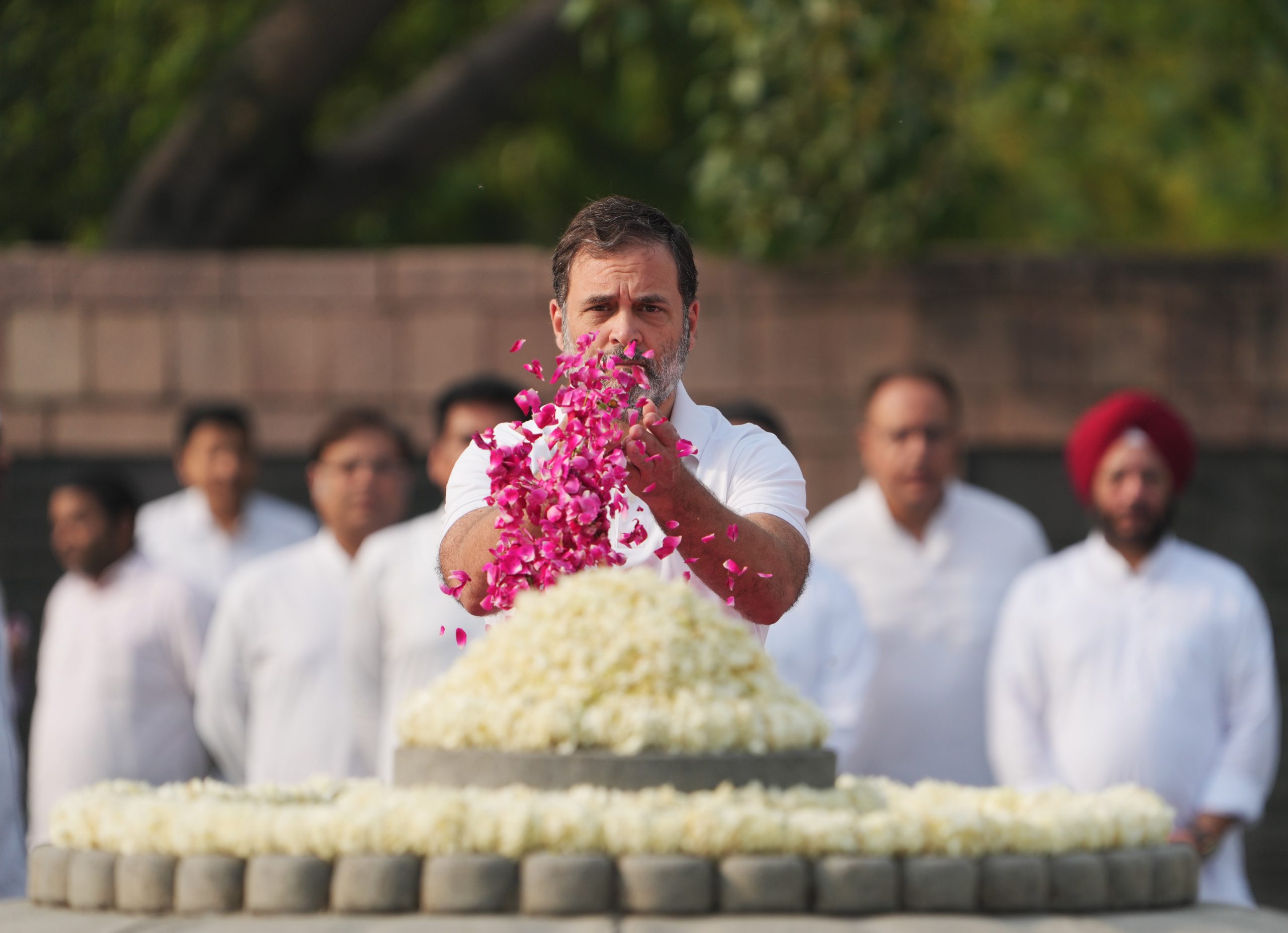
India came together on May 21, 2025, to mark the 34th death anniversary of former Prime Minister Rajiv Gandhi, a visionary leader whose legacy continues to influence the nation’s political and developmental trajectory. Prominent leaders across the political spectrum, including Prime Minister Narendra Modi, Congress President Mallikarjun Kharge, and Wayanad MP Rahul Gandhi, paid homage to the departed leader.
In This Article:
Rajiv Gandhi — A Glimpse into the Man Behind the Legacy
Born on August 20, 1944, Rajiv Gandhi was thrust into politics after the untimely death of his younger brother Sanjay Gandhi. He became India’s sixth and youngest Prime Minister at the age of 40 after the assassination of his mother, Indira Gandhi, in 1984. His tenure was marked by bold decisions, technological reforms, and efforts to modernize India.
He was assassinated on May 21, 1991, in Sriperumbudur, Tamil Nadu, during an election campaign by a suicide bomber from the Liberation Tigers of Tamil Eelam (LTTE).
PM Modi and Leaders Across Parties Remember Rajiv Gandhi
PM Modi Pays Homage
Prime Minister Narendra Modi took to X (formerly Twitter) to extend his respects:
“On his death anniversary, my tributes to our former Prime Minister Shri Rajiv Gandhi Ji. We remember his service to the nation,” Modi posted on his official handle.
Congress Leaders Lead Emotional Tributes
Congress President Mallikarjun Kharge, former party chief Rahul Gandhi, and senior Congress leaders including KC Venugopal gathered at Veer Bhumi in New Delhi to pay floral tributes.
Rahul Gandhi, visibly emotional, stated:
“My father’s dream was to see a strong, united and modern India. I will continue to walk the path he showed, no matter how difficult.”
Other Political Leaders Extend Condolences
West Bengal Chief Minister Mamata Banerjee and Congress General Secretary Jairam Ramesh also paid their respects through official statements and social media posts.
Key Contributions of Rajiv Gandhi’s Tenure
Modernization and Technological Advancement
Rajiv Gandhi’s premiership (1984–1989) is often credited with laying the foundation for India’s digital revolution.
Notable Achievements:
- Introduced telecom revolution with the establishment of MTNL and software parks.
- Promoted computer literacy and technological education.
- Advocated for Panchayati Raj reforms empowering local governance.
- Took decisive steps to reduce bureaucratic inefficiencies.
Youth Engagement and Education
He lowered the voting age from 21 to 18, encouraging youth participation in democracy. His vision was to bridge the gap between tradition and modernity.
Foreign Policy and Peacekeeping
Gandhi also worked towards improving Indo-US and Indo-Soviet relations during the Cold War era. His deployment of Indian Peace Keeping Forces (IPKF) in Sri Lanka remains a subject of both criticism and acclaim.
Remembering a Martyr: The Day That Shook the Nation
May 21, 1991 – A Black Day in Indian Politics
Rajiv Gandhi was assassinated in a suicide bombing at Sriperumbudur while on an election campaign. The explosion took the lives of 14 others.
The attack was orchestrated by the LTTE in retaliation for Gandhi’s decision to deploy the IPKF in Sri Lanka during his tenure.
Enduring Legacy and Political Impact
Rajiv Gandhi’s tragic death left a political void. His vision, however, shaped India’s entry into the global IT landscape, setting the stage for economic liberalization in the 1990s.
Bullet Points of Lasting Legacy:
- Architect of India’s tech and telecom infrastructure.
- Promoter of education and youth empowerment.
- Reformer in governance through administrative efficiency.
- A tragic symbol of political martyrdom.
Nation Reflects and Remembers
Every year, his death anniversary is observed as “Anti-Terrorism Day” to promote peace and unity. Schools, colleges, and government institutions across India observe a pledge to fight terrorism and uphold secular values.
Moving Ahead: Rajiv Gandhi’s Spirit Lives On
Three decades after his passing, Rajiv Gandhi remains a symbol of modern India’s aspirations. His contributions continue to shape India’s digital and political fabric. Leaders across party lines, citizens across generations, and students of history reflect on a legacy that dared to dream big.
As the nation remembers Rajiv Gandhi, his ideals of peace, progress, and innovation stand as a guiding light in an ever-evolving democracy.
By – Nikita