


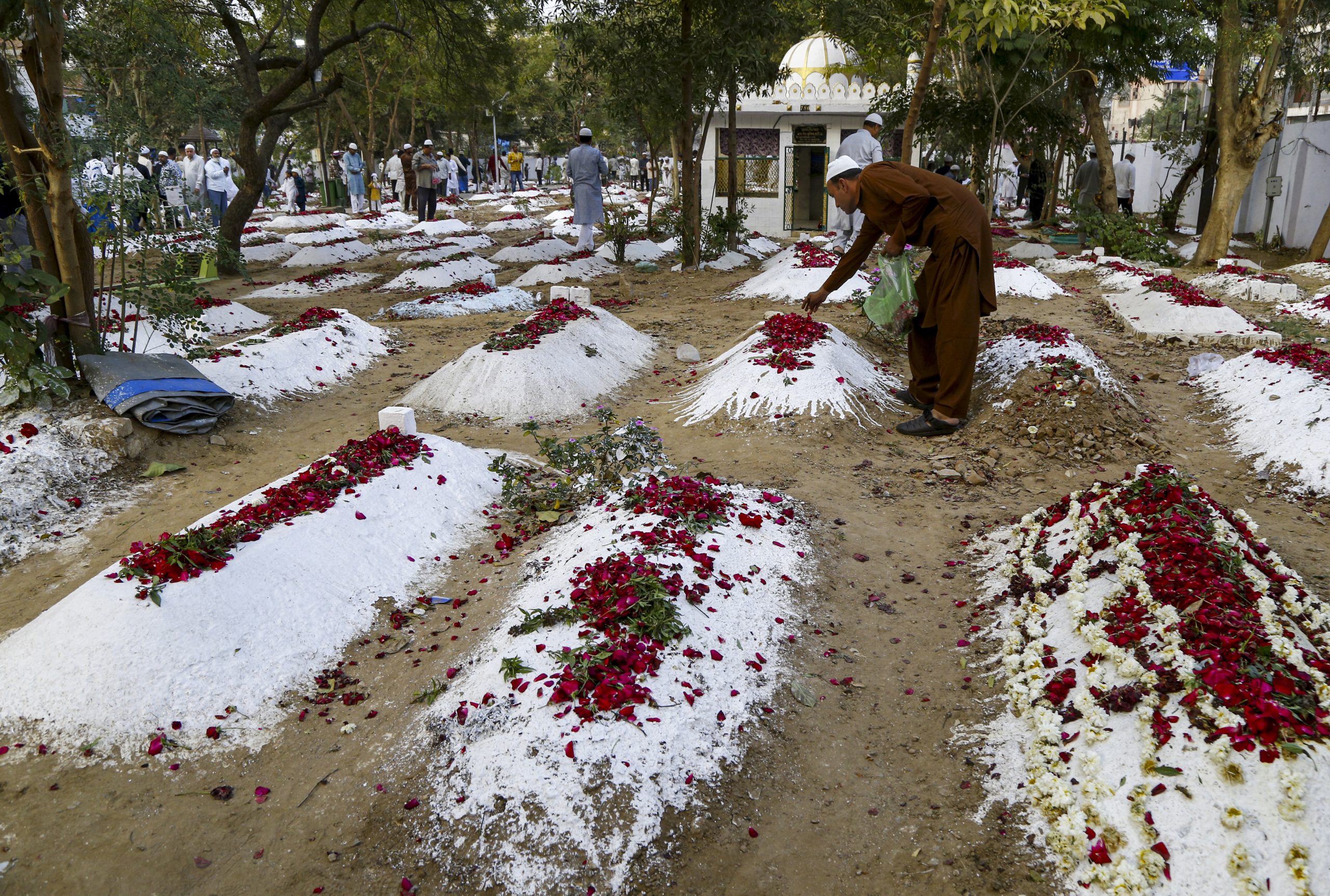
Shab-e-Barat, among the most spiritually significant nights for many Muslims, was observed in large parts of India from the evening of Tuesday, February 3 to the early hours of Wednesday, February 4, 2026. The occasion falls around mid-Sha’ban (15 Sha’ban) in the Islamic lunar calendar, though the exact date can vary by region due to moon-sighting practices.
Across cities and towns, worshippers spent the night in prayer and reflection—seeking divine mercy, forgiveness, and blessings for the year ahead.
Spiritual significance
Often referred to as the Night of Forgiveness or Night of Salvation, Shab-e-Barat is widely associated with repentance, introspection, and renewed commitment to faith. Devotees engage in dua (supplication), Quran recitation, and voluntary worship, praying for forgiveness and spiritual peace.
The term Shab-e-Barat blends “Shab” (night, Persian) and “Barat” (pardon/salvation, Arabic), reflecting the night’s central theme of spiritual renewal.
While the night is not explicitly mentioned in the Quran, many Muslims observe it as an opportunity for increased worship. At the same time, scholars differ on whether certain practices should be treated as fixed rituals—encouraging believers to focus on sincere repentance and worship rather than formalising specific ceremonies.
Common rituals and traditions
Shab-e-Barat is marked by a mix of devotional and cultural practices, which can vary by region and community. Common observances include:
- Night-long prayers (nafl): Many mosques remain open late as worshippers offer voluntary prayers and supplications.
- Recitation of the Quran: Individuals and families read passages seeking spiritual benefit and guidance.
- Visiting graves: Many visit cemeteries to pray for deceased loved ones.
- Charity: Distributing food, clothing, or financial help to those in need is a common practice.
- Voluntary fasting: Some observe nafl fasts around mid-Sha’ban, including on the 13th, 14th, and 15th days.
In several South Asian communities, households also prepare and share sweets such as halwa and zarda, reinforcing the night’s emphasis on goodwill and community bonding.
Different views within the Muslim world
The importance of Shab-e-Barat—and the way it is observed—differs across Islamic traditions and geographies. In South Asia, it is often treated as a major night of worship, while some scholars elsewhere advise caution about assigning religious obligation to specific customs without strong textual evidence. Many contemporary explanations frame the night within the broader Islamic emphasis on seeking forgiveness, prayer, and charity.
Kolkata: court-ordered restrictions on firecrackers
In Kolkata, the observance also prompted civic action. The Calcutta High Court ordered restrictions on firecracker use, directing that crackers not be burst between 10 pm and 6 am during the Shab-e-Barat night. The move cited concerns related to health, the environment, and noise pollution, and authorities were asked to ensure enforcement to balance public celebration with residents’ right to a peaceful environment.
Closing reflections
For millions, Shab-e-Barat remains a deeply meaningful observance—bringing together devotion, reflection, and community ties. It serves as a reminder to pause, assess one’s actions, seek forgiveness for past shortcomings, and pray for mercy, compassion, and guidance in the year ahead.
By – Sonali