


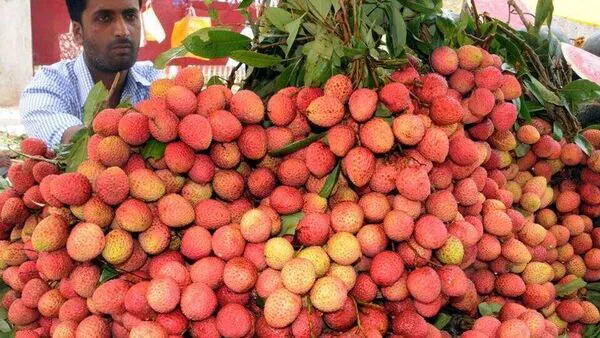
The Shahi Litchi of Bihar—celebrated for its rose-like aroma, juicy pulp and balanced sweetness—is once again in focus as stakeholders prepare for the summer harvest. Predominantly grown in and around Muzaffarpur and the wider north Bihar belt, the variety has become a signature of Bihar’s horticultural identity, with branding, logistics and export-readiness steadily strengthening in recent years.
GI Tag Strengthens Market Identity
Awarded the Geographical Indication (GI) tag in 2018, Shahi Litchi enjoys protection that links its reputation and quality to its place of origin, helping curb misuse of the name and strengthening consumer trust. The registered proprietor is the Muzaffarpur-based Litchi Growers Association of Bihar, and the GI is commonly referenced as GI no. 552 in official lists.
On the ground, the GI label is increasingly being used as a market signal—especially for premium consignments—supporting better positioning in wholesale trade and curated export channels.
Why North Bihar’s Orchards Create a “Shahi” Profile
The Shahi variety’s distinctive sensory profile is closely tied to north Bihar’s conditions—fertile alluvial soils and a climate band that supports litchi flowering and fruit development. Cultivation is concentrated in Muzaffarpur and surrounding districts where the crop has long shaped seasonal livelihoods.
At the farm level, quality is heavily influenced by:
- timely irrigation and orchard management
- careful harvesting to prevent skin damage
- rapid sorting, pre-cooling and movement, since litchi browns and dehydrates quickly without temperature control
Exports: From “Local Pride” to Structured Global Movement
A major credibility milestone came in May 2021, when the first GI-certified consignment of Shahi Litchi was exported from Bihar to the United Kingdom by air route, supported through coordinated certification and facilitation.
Export momentum has also been strengthened by better routing and documentation support. APEDA’s reporting notes Shahi litchi shipments moving via air-cargo channels (including consignments to the UAE through airport-linked corridors), reflecting a push to move perishables within tight windows.
What this changes for growers: exports (and export-grade domestic supply) reward uniform size, careful handling and fast logistics—which is why packhouse practices, grading and cold-chain access increasingly decide who captures the premium.
Logistics Becomes the New Battleground for Farmer Income
The biggest “fresh momentum” story is the logistics push around Muzaffarpur litchi. During peak movement, rail-linked dispatch has expanded with specialised parcel arrangements and dedicated handling support, aimed at reducing transit time and wastage for a fruit that deteriorates rapidly.
In 2025, reporting highlighted:
- 28 trains deployed to speed up litchi transport
- approximately 110 tonnes/day moved from the East Central Railway zone to major consumption centres
- a dedicated parcel office and helpline support for smoother booking and dispatch
These interventions matter because faster movement directly improves appearance, shelf life and price realisation, especially for premium-grade Shahi.
Value Addition: Extending the Season Beyond Fresh Sales
Shahi litchi’s biggest constraint remains its perishability—often 1–2 days at room temperature, improving significantly under refrigeration and controlled storage (where available).
That’s why value addition is becoming central to long-term strategy: pulp, beverages, frozen formats, and processed products can extend market access and reduce dependence on the short fresh window. The Ministry of Food Processing Industries’ litchi supply-chain work also flags infrastructure gaps and the importance of strengthening post-harvest systems.
Challenges on the Ground
Even with branding and logistics improving, the sector faces persistent risk factors:
- climate volatility affecting flowering and fruit quality
- post-harvest browning and moisture loss (a major quality killer)
- pest and disease pressure and uneven farm-level access to inputs and advisory support
For growers, solutions tend to be practical rather than abstract: orchard-level resilience practices, stronger extension, crop insurance uptake, and affordable access to pre-cooling, crates, and rapid transport.
Government & Export Ecosystem: What’s Next
Export institutions are also signalling deeper engagement. A 2025 report noted plans for an APEDA regional office in Patna, framed as part of a push to scale Bihar’s agriculture exports and improve standardised export practices—products like Shahi litchi and makhana being key candidates.
If implemented effectively, this could reduce friction in export onboarding for FPOs, traders and processors—especially around quality protocols and documentation.
A Sweet Symbol of Bihar—Now With a Stronger Supply Chain Story
Shahi litchi has always been Bihar’s summer jewel. What’s changing is the ecosystem around it: GI-backed identity, more visible export breakthroughs, and logistics interventions that treat litchi like the high-value, high-sensitivity crop it is. With better cold-chain penetration and value addition, the Shahi brand can move from seasonal fame to a more stable, premium horticulture engine for Bihar.
By – Sonali