


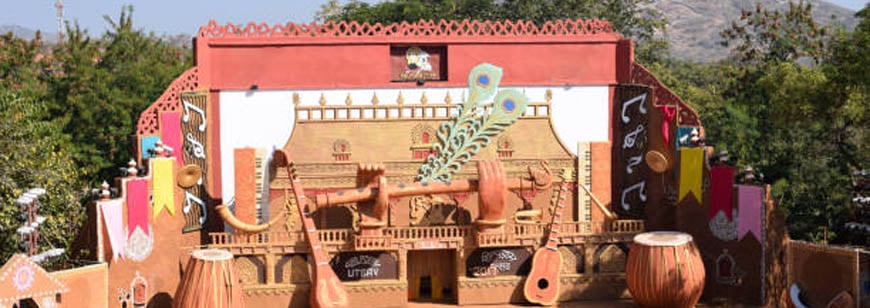
The annual Shilpgram Mela—also referred to as the Shilpgram Festival—has commenced at the scenic craft village complex located on the western outskirts of Udaipur, Rajasthan. Launched in 1989 by former Prime Minister Rajiv Gandhi, Shilpgram (meaning “village of artisans”) is an ethnographic living museum set across a sprawling 70-acre terrain in the Aravalli foothills.
In This Article:
Every year, the edition runs from December 21 to 31, marking ten days of immersive cultural celebration, handicraft bazaars, traditional performances, and creative workshops, all designed to highlight the vibrant legacies of western India—primarily Rajasthan, Gujarat, Maharashtra, and Goa.
A Cultural Epicenter in the Aravalli Foothills
Nestled merely 3 km west of Udaipur city, the Shilpgram complex is a serene haven built to resemble traditional rural settlements. Visitors stroll past 26 intricately constructed huts, each representing different occupational and ethnic traditions—from Marwari weavers and Mewari potters to Bhil and Sehariya tribal communities—along with artisans from Gujarat (7 huts), Maharashtra (5), and Goa (5).
At the heart of this enduring setup is an open-air amphitheater with seating for up to 8,000 spectators, the focal venue for daily folk music, dance, dramatic puppetry, and theatrical showcases. Performance schedules span morning through evening, ensuring a steady cultural pulse throughout the day.
Handicraft Bazaar: A Marketplace of Traditions
A centerpiece of the fair is the Haat Bazaar, open daily from 12 PM. Here, rural and tribal artisans display and sell a dazzling array of indigenous crafts: embroidered textiles, tie-dye fabric, mirror-work dupattas, terracotta artifacts, wooden toys, traditional jewelry, leatherwork, camel-leather goods, and miniature paintings.
Besides the wealth of handicrafts, the fair offers visitors interactive craft demonstrations—a signature program known as Shilpdarshan—where artisans showcase live pottery-making, weaving, woodwork, and folk art, offering firsthand insight into their traditional skills and motivating direct engagement between craftspeople and buyers.
Dance, Music & Performance
Shilpgram’s cultural programming is rich and varied. Performances feature authentic Rajasthani folk forms like Ghoomar, Kalbelia, Bhavai, and Terah Tali, as well as traditional music ensembles from other western states.
The amphitheater also hosts evening theatre and puppet shows, celebrating both mythological epics and rural life narratives. TripAdvisor reviews note that live singing and dancing take place “throughout the day,” enhancing the experiential atmosphere of the venue.
Cultural Workshops
During fair days, Shilpgram offers a wide range of hands-on workshops in
- Block-printing
- Miniature painting
- Pottery
- Folk dance and music
- Traditional cooking (Rajasthani cuisine)
These workshops are open to participants of all ages, offering immersive, practical experiences of India’s rich artisan traditions.
Food & Local Flavours
The event includes an enticing food court, serving traditional Rajasthani dishes like dal-baati-churma, kachori, mirchi-bada, and festive sweets, alongside snacks and beverages from Gujarat, Maharashtra, and Goa. This blend of flavours enriches the fair’s cultural tapestry.
Fees, Timings & Accessibility
Open throughout the year from 11 AM to 7 PM, Shilpgram’s festival days extend until 10 PM. Entry fees are nominal:
- Indian adults: ₹30
- Indian children: ₹15
- Foreign visitors: ₹50
Photography and videography are permitted at no extra cost, according to major tourist portals.
It is conveniently accessible: only a short 10-minute drive via taxi or auto-rickshaw from Udaipur city center. Maharana Pratap Airport and Udaipur Junction are within striking distance.
Mission and Impact
Shilpgram’s core purpose is preserving and promoting rural crafts and folk arts of western India. This fair provides artisans with direct market access, fair compensation, and a broader platform for cultural exchange.
By engaging urban visitors and nurturing artisan pride, the mela ensures the sustainability of traditional skills and supports cottage industries, critical to Rajasthan’s tourism-linked economy.
Visitor Tips
- Best time to go: The fair is especially lively in late December when winter draws tourists; come early afternoon to enjoy full-day performances and shop with ease.
- Comfort essentials: Wear walking-friendly shoes, carry water bottles, and bring a camera—photogenic scenes are abundant.
- Workshops: Arrive early to secure spots, especially for popular crafts like block printing and pottery.
What’s Ahead?
The Shilpgram Mela, running from December 21 to 31, is a must-attend cultural extravaganza. It reflects Rajasthan’s living heritage and brings together regional traditions through art, performance, and artisanal exchange.
Planning now? Visit local tourism websites or contact the West Zone Cultural Centre in Udaipur for the full schedule of performances, workshop timings, and participant information.
By – Sonali