


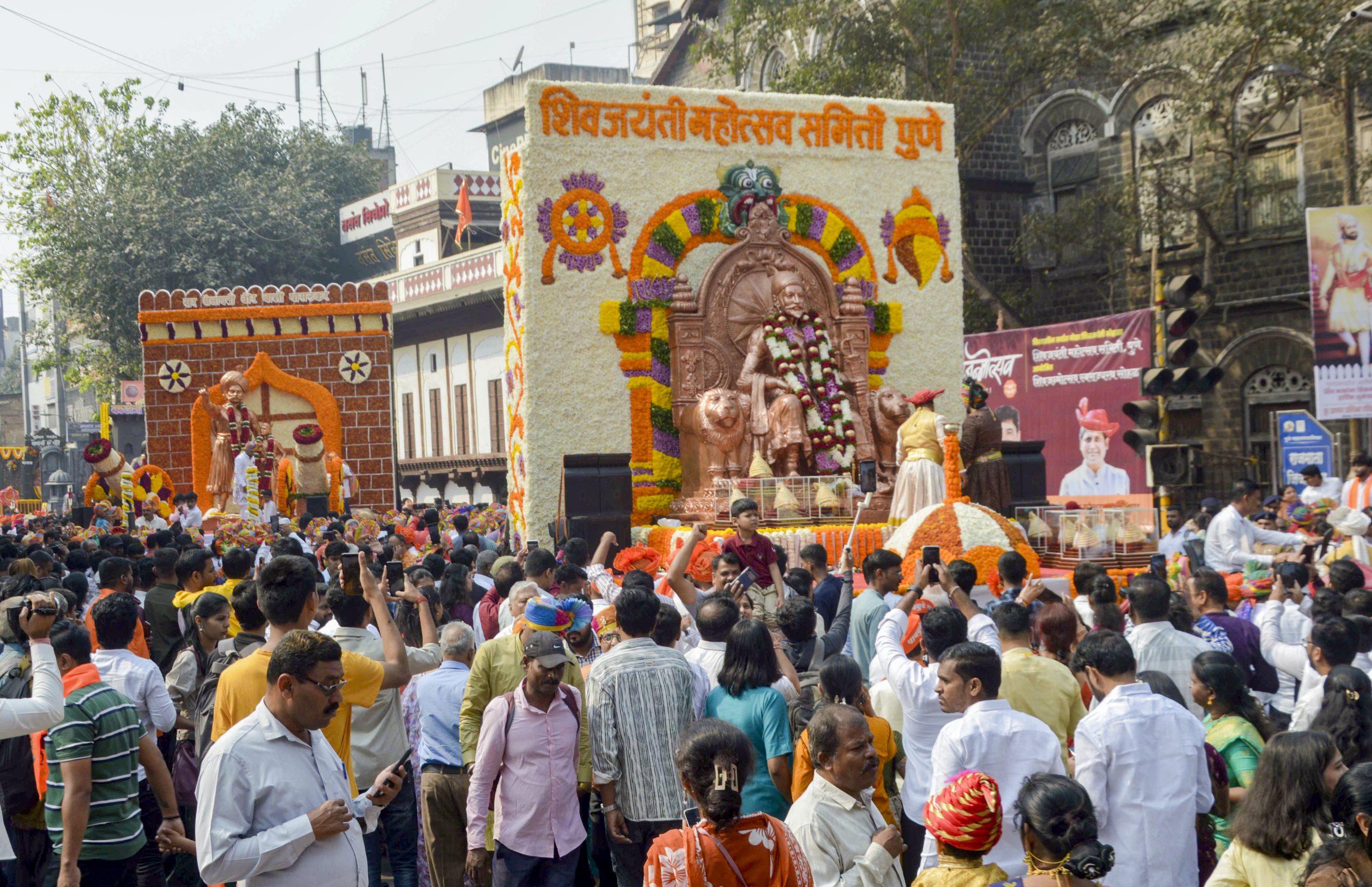
Chhatrapati Shivaji Maharaj Jayanti is observed in Maharashtra on February 19 (Gregorian date) to commemorate the legacy of Chhatrapati Shivaji Maharaj, founder of the Maratha kingdom/empire. In 2026, February 19 is a public holiday in Maharashtra, and banks in the state are closed on this day. Many people also observe Shiv Jayanti as per the Hindu lunar tithi (Phalgun Vadya Tritiya), so the “tithi” date can fall in February–March and varies each year.
A Glimpse into History
Shivaji Maharaj was born at Shivneri Fort; historical sources record different birth-date traditions (1627 or 1630), while the widely commemorated date is February 19, 1630.
The public celebration of Shivaji Jayanti gained momentum in the late 19th century—Jyotirao Phule is widely credited with initiating community celebrations in Pune (1870), and Bal Gangadhar Tilak later helped popularise it further.
Shivaji’s Rajyabhishek (coronation) took place in 1674 at Raigad Fort, after which he adopted the title ‘Chhatrapati’.
The Significance of Shivaji Jayanti
Cultural Identity & Pride
For millions, especially in Maharashtra, Shivaji Jayanti is more than a birth anniversary—it is a symbol of cultural pride, self-confidence and collective memory. The day is marked by processions, dhol-tasha, lezim, floral tributes and educational programmes across the state.
Military & Strategic Genius
Shivaji is remembered for agile warfare, sharp intelligence networks, rapid mobility and the strategic use of forts. His campaigns and fort strategy helped him expand and defend Swarajya against far stronger powers.
Maritime Vision and Naval Defence
Shivaji also organised a naval force and used sea power for defence and coastal security—this is why he is often described in modern accounts as a “father of the Indian navy” figure in the subcontinent’s maritime history.
Inclusive Governance & Administration
Beyond the battlefield, he is also noted for statecraft—building systems of administration and emphasising public welfare, discipline, and religious tolerance in governance.
Key Lessons from Shivaji Maharaj’s Life
- Leadership with Vision: Leadership is more than force—strategy, timing, terrain awareness and people management matter.
- Emphasis on Swarajya: His politics centred on the idea of self-rule and accountable governance.
- Respect & Honour: Popular traditions and many historical narratives highlight his insistence on dignity and restraint—especially regarding civilians.
- Valour with Ethics: Courage under pressure paired with discipline and a code of conduct is what sustains legitimacy.
- Innovative Governance: From forts and revenue systems to maritime defence, his approach blended practicality with long-term vision.
- Legacy that Inspires: His life remains a template for assertive yet people-centric leadership—one reason his Jayanti continues to evoke pride and reflection.
Contemporary Celebrations & Reflections
Across Maharashtra and among the diaspora, Shivaji Jayanti is marked through cultural programmes, community service initiatives, and public discussions on how his values—courage, justice, discipline and welfare—translate to modern civic life.
As Indians commemorate this day in 2026, it stands not only as a tribute to a historic icon but also as a reminder to carry forward courage, equity and self-respect in a rapidly changing world.
By – Sonali