


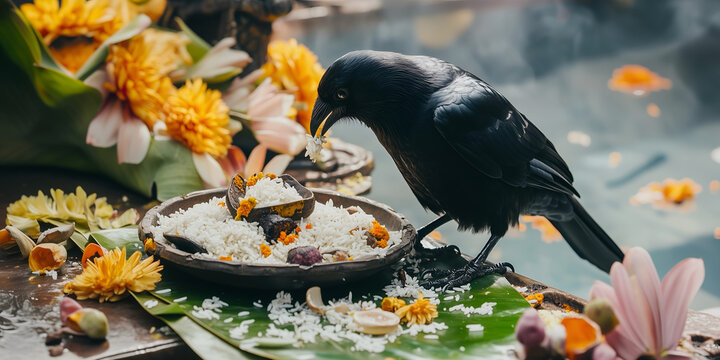
Shraddh, the Hindu ritual of honoring ancestors during Pitru Paksha (typically September-October), has been a recurring motif in Indian literature and cinema, symbolizing familial duty, the supernatural, and cultural continuity. From ancient Sanskrit epics like the Mahabharata to modern Bollywood films, portrayals span devotional tales to horror tropes, often set in rural or urban Indian homes during the 15-day period. These depictions, evolving since the 1950s in cinema and drawing from Vedic texts, reflect societal values but frequently veer into clichés. In 2025, with India’s ₹101 billion entertainment industry blending tradition and tech, Shraddh’s representations continue to spark debates on authenticity versus sensationalism among 467 million social media users.
Portrayals in Literature: From Sacred Texts to Modern Narratives
In ancient literature, Shraddh is portrayed as a profound spiritual act. The Mahabharata and Garuda Purana describe it as essential for ancestors’ peace, with rituals like pinda daan ensuring moksha. Texts like the Manusmriti emphasize its role in familial karma, depicting it as a solemn duty performed by sons at sacred sites like Gaya. Modern Indian literature builds on this: Amitav Ghosh’s The Shadow Lines (1988) uses Shraddh to explore memory and partition trauma, showing it as a bridge between past and present. In Arundhati Roy’s The God of Small Things (1997), the ritual subtly underscores loss and cultural rigidity. These portrayals get right the emotional weight of remembrance, highlighting Shraddh’s role in preserving lineage and identity in India’s 780-language diverse society.
Portrayals in Cinema: From Devotional Dramas to Horror Thrillers
Bollywood and regional cinema have dramatized Shraddh since the 1950s. Shraddhanjali (1981), starring Raakhee, portrays it as a family ritual healing generational wounds, emphasizing devotion. In Karthik Calling Karthik (2010), Shraddh scenes blend supernatural elements with mental health themes, showing ancestors’ spirits as guiding forces. Horror films like Raat (1992) and Vastu Shastra (2004) depict it as a gateway to the paranormal, with ghosts haunting those who neglect rituals. Recent examples include Bhoot Police (2021), where Shraddh rituals combat spirits, and Laxmii (2020), which mixes comedy with ancestral appeasement. South Indian cinema, like Arundhati (2009) in Telugu, portrays it with intense family curses tied to rituals.
Clichés: Superstition, Drama, and Stereotypes
Shraddh’s cinematic depictions often fall into clichés, prioritizing entertainment over nuance. A common trope is the “haunted ritual,” where neglecting Shraddh unleashes vengeful spirits, as in Raat Akela Hai (2004), reinforcing superstition without cultural depth. Family dramas exaggerate emotional blackmail, with sons forced into rituals amid conflicts, seen in Baghban (2003) variants. Women are stereotyped as passive participants or ghostly figures, lacking agency, as critiqued in analyses of Bollywood’s gender portrayals. Horror films like 1920 (2008) sensationalize it with jump scares, ignoring spiritual significance. These clichés, per film studies, stem from commercial pressures, turning sacred rites into plot devices for thrills.
What They Get Right and Wrong: Authenticity vs. Exaggeration
Literature often gets Shraddh right by delving into its philosophical essence—ancestral peace and karma—as in Ghosh’s works, fostering cultural empathy. Cinema excels in visual spectacle, like Arundhati’s rituals evoking devotion and humanizing family bonds. However, both falter in modernization; films rarely address contemporary adaptations, like eco-friendly Shraddh amid climate change, per modern interpretations. Wrong portrayals include oversimplifying rituals as mere superstition and ignoring regional variations (e.g., Bengal’s Pitru Paksha vs. South India’s Mahalaya). Clichés perpetuate stigma, portraying Shraddh as ominous rather than healing, as noted in disability and gender studies of Indian cinema. Rightly, they promote cultural pride, but wrongly, they exoticize for Western audiences.
Cultural Reflections in 2025
In today’s digital age, Shraddh portrayals influence perceptions, with OTT series like Sacred Games subtly nodding to rituals. As India balances tradition and modernity, these depictions raise questions: Can cinema evolve beyond clichés to honor Shraddh’s true spirit? With social media amplifying debates, future works must prioritize accuracy, celebrating its role in India’s diverse heritage.
-By Manoj H