


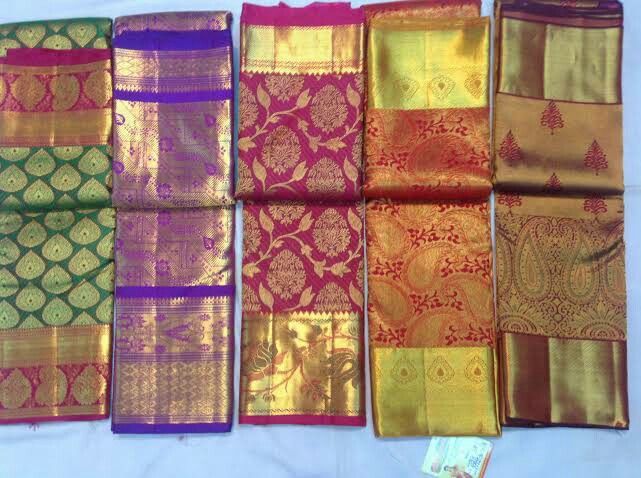
In a region famed for its textile traditions, the signature white silk known as Salem Venpattu has emerged as a symbol of regional pride and craftsmanship. Resplendent in its soft sheen and understated elegance, this handloom silk has garnered both national recognition and global admiration. With its roots deeply embedded in Salem’s weaving community, this fabric tells the story of heritage, innovation, and economic upliftment.
A Distinctive Textile with a GI Tag
Salem Venpattu, or “white silk of Salem,” was officially granted a Geographical Indication (GI) tag in 2007–08, placing it among India’s recognized heritage textiles. This recognition not only safeguarded the name and quality of the cloth but also protected it from imitation by other regions, ensuring that only authentic Salem-origin silk can use the Venpattu name. The GI registration has empowered cooperative weaving societies to flourish and sustain the legacy for future generations.
Weaving Communities and Cooperative Societies
A network of seven major weaving cooperatives around Salem, including Salem Silk Weavers Cooperative Society, Rajaganapathy Weavers, Sowdeswari, and others, is responsible for crafting the Venpattu silk. These societies support approximately 3,000 traditional weaver families, ensuring livelihoods and sustaining centuries-old weaving techniques. Ex-president of the Salem Silk Weavers Society, P.V. Shantaram, noted that exports to markets such as the US, Sri Lanka, and Malaysia were growing steadily and expected to rise further post-GI certification.
Craftsmanship and Material Excellence
Salem Venpattu is celebrated for its smooth satin-finish surface, bright luster, and light drape. Traditional motifs such as floral designs, birds in flight, peacocks, and parrots are often woven into the fabric, giving it a subtly ornate appearance while maintaining an understated white base, reminiscent of embroidery on silk. The unique climatic and atmospheric conditions of Salem are credited with producing silk that is brighter and softer than many other regional varieties.
National Award and Recognition
In August 2015, Salem Venpattu was honoured as one of the first three recipients of the prestigious India Handloom Brand Certificate, presented by Prime Minister Narendra Modi during the launch of National Handloom Day. The award celebration recognised Venpattu alongside Tangail sarees of West Bengal and Banaras Tanchoi silk, acknowledging Salem’s contribution to India’s rich textile tradition. Tamil Nadu’s Handlooms and Textiles Department confirmed the recognition was based on exceptional quality and weaving excellence.
Economic Impact and Market Trends
Post-GI and national branding, the craft has seen a pronounced boost in both domestic and international markets. Turnover estimates place annual sales of Salem Venpattu between ₹25 crore and ₹30 crore, with considerable demand arising from abroad. Central government initiatives, such as the “Vocal for Local” campaign, continue to enhance the visibility and distribution of Salem Venpattu across India.
Challenges and Future Prospects
Despite its acclaim, Salem Venpattu faces challenges typical of artisanal industries: competition from power-loom imitations, fluctuating raw silk prices, and difficulties in attracting younger generations to weaving. However, weaving societies are innovating—adopting contemporary designs, promoting cooperatives online, and seeking broader export channels. With sustained support from government certification, marketing campaigns, and artisan networks, the future remains positive.
The Handloom Legacy of Salem Venpattu
Salem Venpattu stands as a testament to India’s enduring handloom legacy, a fabric that binds generations, geography, and tradition. From its GI-tagged heritage to national recognition as a top handloom brand, this white silk reflects more than finesse; it reflects cultural identity, community resilience, and evolving markets. As demand continues to grow, Salem Venpattu offers both a nostalgic touch of tradition and a bright beacon of sustainable, local craftsmanship.
By – Sonali