


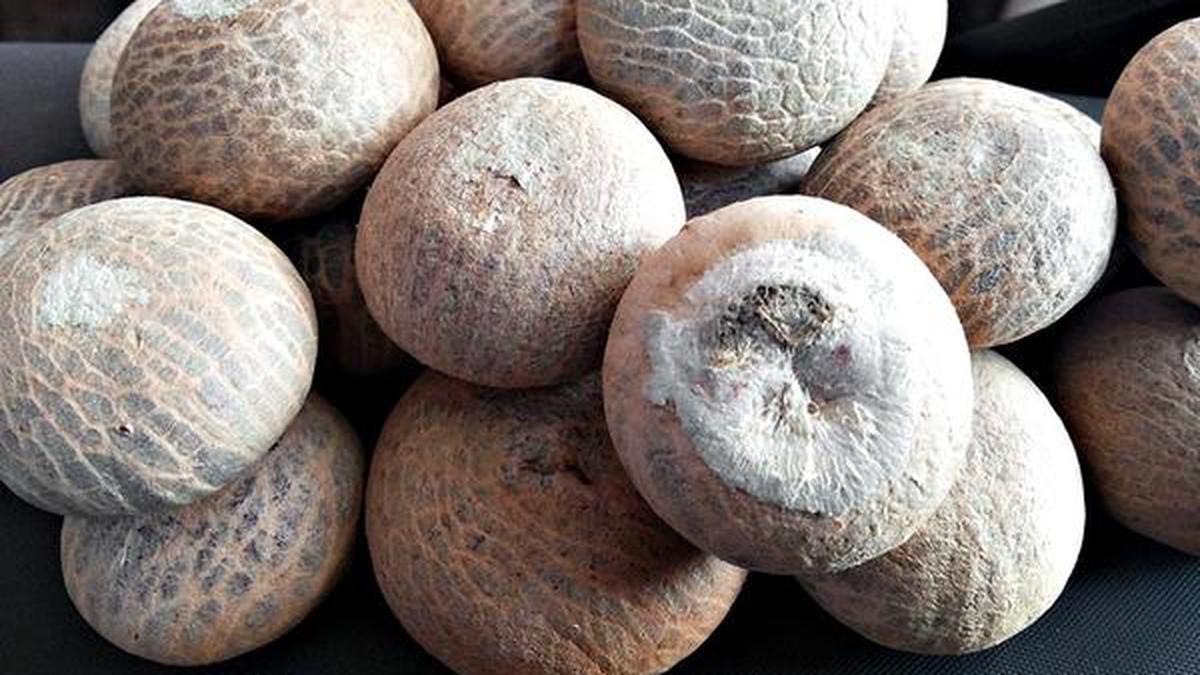
Sirsi Supari, the famed arecanut grown in the lush forests of Karnataka’s Uttara Kannada district, has long been more than just a chewing habit — it’s a cultural emblem, a cash crop lifeline, and a political battleground. But behind the glossy, nutty finish lies a deeper story of market rigging, government neglect, and a silent crisis that’s crippling the growers.
In This Article:
- What Makes Sirsi Supari So Special?
- The Bitter Bite – Market Manipulation and Falling Prices
- Political Inaction – Is the Government Sleeping or Complicit?
- GI Tag – Boon or Just Branding?
- Final Word – The Crunch Is Political, Not Just Agricultural
What Makes Sirsi Supari So Special?
- Grown in the pristine, rain-fed Western Ghats
- Geographical Indication (GI) tag granted in 2017
- Distinct reddish-brown color, round shape, and long shelf life
- High demand across India, especially in paan masala and supari industries
Yet, despite its elite status, farmers are struggling — and the reasons are darker than just rainfall deficits.
The Bitter Bite – Market Manipulation and Falling Prices
Behind the shiny coat of Sirsi Supari lies a rot — price crashes allegedly engineered by middlemen cartels, hoarders, and political lobbyists. According to local trade unions and farmer associations, artificial suppression of prices has become a silent epidemic.
- In 2021–22, farmers earned ₹480–₹500 per kg
- In 2024–25, prices dipped below ₹300–₹320 per kg
- But retail prices remain artificially high at ₹600+ per kg in urban markets
This isn’t just a market dip — it’s daylight robbery dressed in the guise of demand-supply economics.
Political Inaction – Is the Government Sleeping or Complicit?
Despite protests and repeated requests, no Minimum Support Price (MSP) has been declared by either the state or central government. Why?
- Areca nut growers in Karnataka and Kerala have repeatedly demanded price regulation
- But successive governments have either ignored or deflected blame to “market forces”
- Meanwhile, import of cheap arecanuts from Myanmar and Indonesia continues unchecked
This raises a brutal question — Is Sirsi Supari being sacrificed at the altar of trade diplomacy? Is the Centre’s silence a symptom of deeper collusion with paan masala lobbyists?
GI Tag – Boon or Just Branding?
In 2017, the GI tag for Sirsi Supari was celebrated as a victory for the region. But 7 years later, farmers say it was more symbolic than systemic. No major government program has been implemented to protect or scale the brand. Instead:
- No export support
- No warehousing infrastructure
- No guaranteed procurement
In essence, a GI tag without government backing is like gifting a crown to a starving king.
What Lies Ahead – A Call to Action
This isn’t just about a nut — it’s about rural dignity, farmer identity, and justice. If Sirsi Supari collapses, so does the backbone of Uttara Kannada’s rural economy. What’s needed:
- Immediate MSP for all GI-tagged arecanuts
- Crackdown on trader cartels and hoarders
- Transparent procurement through FPOs (Farmer Producer Organisations)
- Ban on low-grade arecanut imports flooding the market
Final Word – The Crunch Is Political, Not Just Agricultural
The Sirsi Supari story is no longer about agriculture. It’s a crunch heard across rural India — where global trade, regional neglect, and cartel politics collide. Until the government wakes up from its arecanut-induced slumber, farmers will keep bleeding in silence while corporates mint profits chewing on their despair.
By – Nikita