


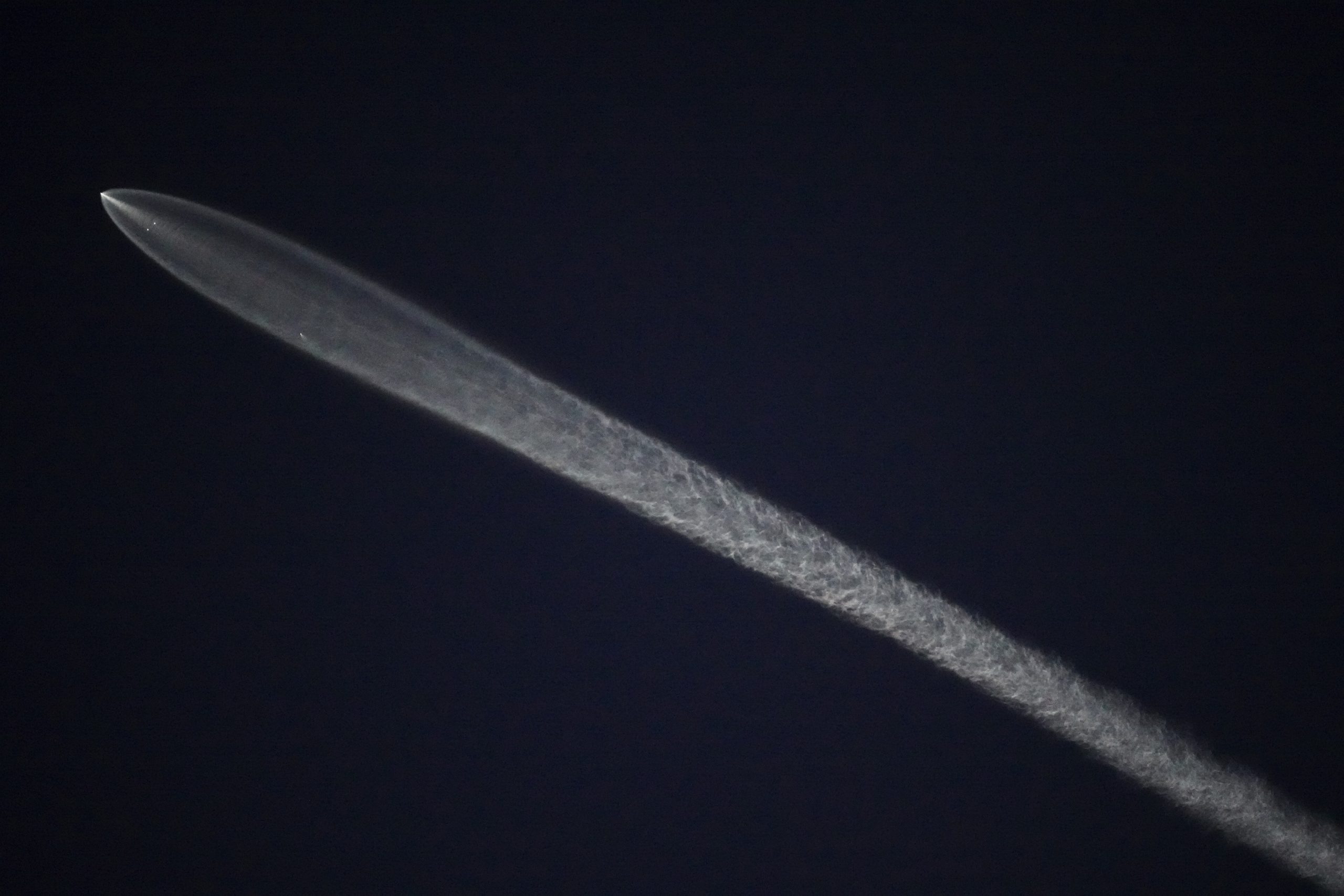
Moscow, Dec 22 (AP) Two NATO intelligence agencies suspect that Russia is developing a new anti-satellite weapon designed to target Elon Musk’s Starlink constellation. The aim, according to intelligence findings seen by The Associated Press, would be to disrupt Western space capabilities, which have been instrumental for Ukraine on the battlefield.
The proposed weapon, described as a “zone-effect” system, would release clouds of high-density pellets into Starlink orbits, potentially disabling multiple satellites simultaneously. Analysts warn, however, that such an approach could create uncontrollable debris, affecting other satellites, including those of Russia and China, which rely heavily on orbital systems for communications and defense.
Victoria Samson, space-security specialist at the Secure World Foundation, said, “I would be very surprised, frankly, if they were to do something like that,” highlighting the risks to global space infrastructure. Brig. Gen. Christopher Horner, commander of the Canadian military’s Space Division, noted that while difficult, the development of such a weapon is not entirely implausible, especially in light of Russia’s pursuit of advanced space-based systems.
The intelligence report indicates that Starlink is viewed as a significant threat by Moscow, as the constellation has been critical for Ukraine’s communications, weapons targeting, and civilian use during Russia’s full-scale invasion. Russia has previously warned that commercial satellites supporting Ukraine could be considered legitimate targets.
Unlike conventional missile tests, the proposed system could target multiple Starlink satellites at once, potentially deploying pellets via formations of small satellites. Experts caution that clouds of debris could “blanket an entire orbital regime” and disable numerous satellites, creating cascading space hazards.
The status of the system remains uncertain, with no clear timeline for deployment or tests. Some analysts suggest the research could be experimental or intended to spur international response and justify counterspace investments.
The millimeter-sized pellets would be difficult to detect by current monitoring systems, complicating attribution in case of an attack. While exact damage potential is unknown, small debris could disable critical satellite components, including solar panels, effectively taking satellites offline.
Long-term consequences could include debris falling toward Earth or disrupting other orbiting platforms such as China’s Tiangong space station and the International Space Station, potentially enabling Moscow to leverage fear of space chaos as a strategic deterrent without active deployment.
Experts like Samson argue that the potential self-harm to Russia’s own space assets makes the use of such a weapon unlikely. “They’ve invested a huge amount of time and money into being a space power,” she said, noting that indiscriminate pellet weapons could cut off space access for all parties, including Russia.
(AP) AMS
Category: Breaking News
SEO Tags: #swadesi, #News, Starlink in crosshairs: How Russia could attack Elon Musk’s conquering of space