


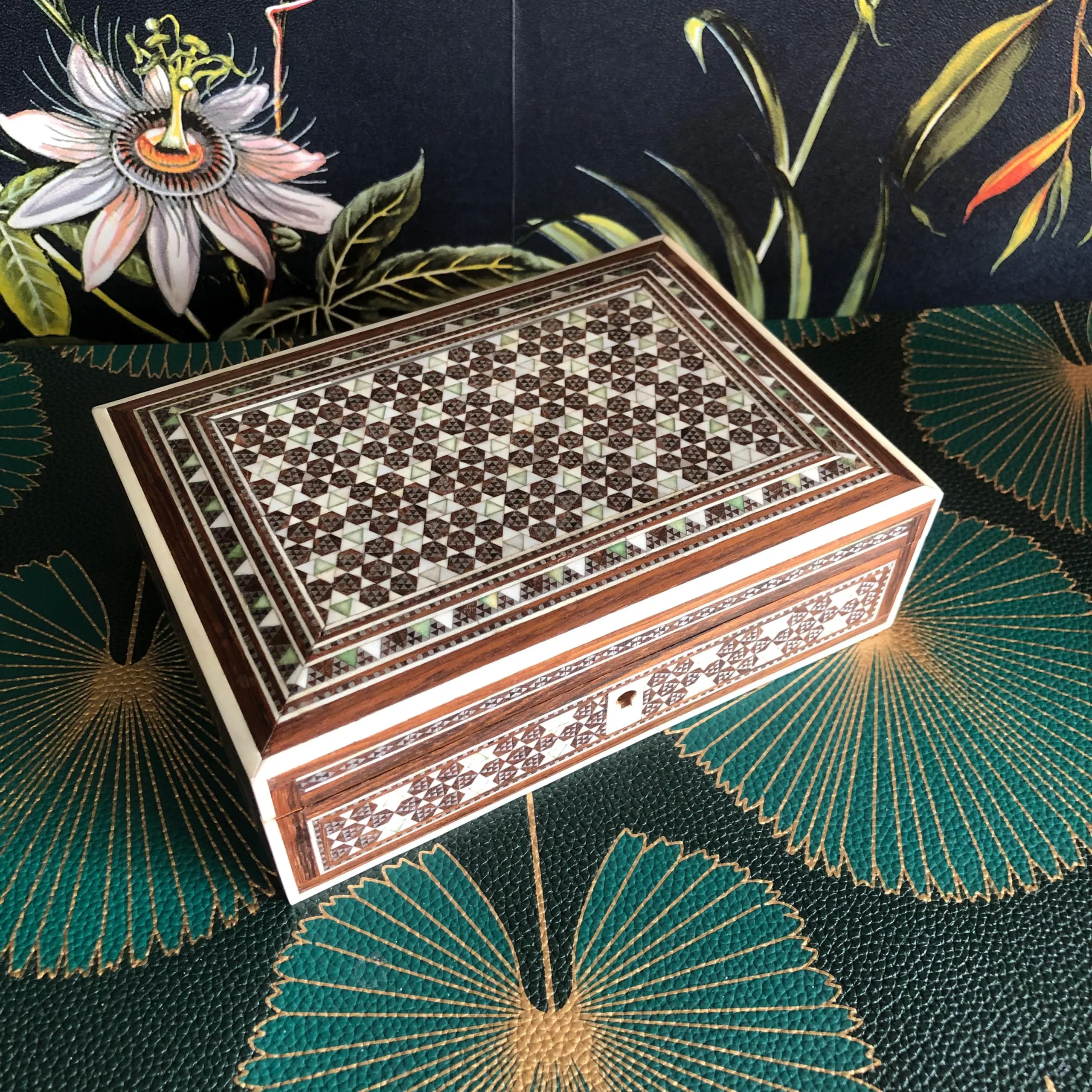
In an era dominated by machine-made décor, the centuries-old Sadeli craft of Surat is witnessing a quiet yet significant revival, blending heritage craftsmanship with contemporary demand. Known for its intricate geometric patterns and meticulous detailing, Sadeli continues to stand as a symbol of Gujarat’s artistic legacy.
Origins Rooted in Cultural Exchange
Sadeli craft traces its origins to Persian marquetry techniques brought to India by Parsi settlers from Iran several centuries ago. Over time, artisans in Surat adapted and refined the method, creating a distinctive style that is now synonymous with the region.
Dating back several centuries, the craft flourished due to the availability of high-quality teak wood and the skill of local craftsmen. Historically, Sadeli was used to adorn doors, windows, and royal furniture, particularly in palaces and mansions.
The Craftsmanship Behind the Art
What sets Sadeli apart is its precision. Artisans create micromosaic patterns by assembling thin strips of materials such as wood, metal, bone, and acrylic into symmetrical geometric designs. These strips are then combined into rods and sliced to reveal intricate patterns, which are applied onto wooden surfaces.
The process is labor-intensive and demands exceptional accuracy, sometimes involving hundreds of tiny pieces within a single square inch. Even a minor misalignment can disrupt the entire pattern, making it a craft that requires years of training and patience.
From Royal Décor to Contemporary Products
While Sadeli once adorned grand architectural structures, its application has evolved with changing consumer tastes. Today, the craft is prominently seen in decorative items such as jewellery boxes, photo frames, chess boards, and the iconic “Bombay box,” a popular souvenir among tourists.
Modern artisans are also experimenting with furniture, lamp holders, and lifestyle products, helping the craft reach urban and international markets. The use of acrylic and alternative materials has replaced ivory, making the craft more sustainable and accessible.
GI Tag Boosts Recognition
In 2023, Surat Sadeli craft has received a Geographical Indication (GI) tag, ensuring authenticity and protecting it from imitation. This recognition has opened doors for better branding and global outreach, offering artisans improved market access and economic opportunities.
Experts believe that such initiatives are crucial in preserving traditional crafts, especially as younger generations move away from labor-intensive occupations.
Challenges and the Road Ahead
Despite growing recognition, Sadeli artisans face challenges including limited awareness, competition from machine-made replicas, and declining interest among youth. However, government support, exhibitions, and digital marketplaces are helping bridge this gap.
Design innovation and collaborations with contemporary designers are also playing a key role in reintroducing Sadeli to modern consumers.
A Living Heritage
As India pushes for “Vocal for Local,” Sadeli Craft stands as a testament to the country’s rich artisanal heritage. Its blend of Persian influence and Gujarati craftsmanship not only reflects history but also adapts to the present, ensuring its survival in a rapidly changing world.
For Surat, long known as a textile hub, Sadeli remains a quieter yet equally remarkable cultural jewel, one that continues to carve its identity, piece by intricate piece.
By – Sonali