


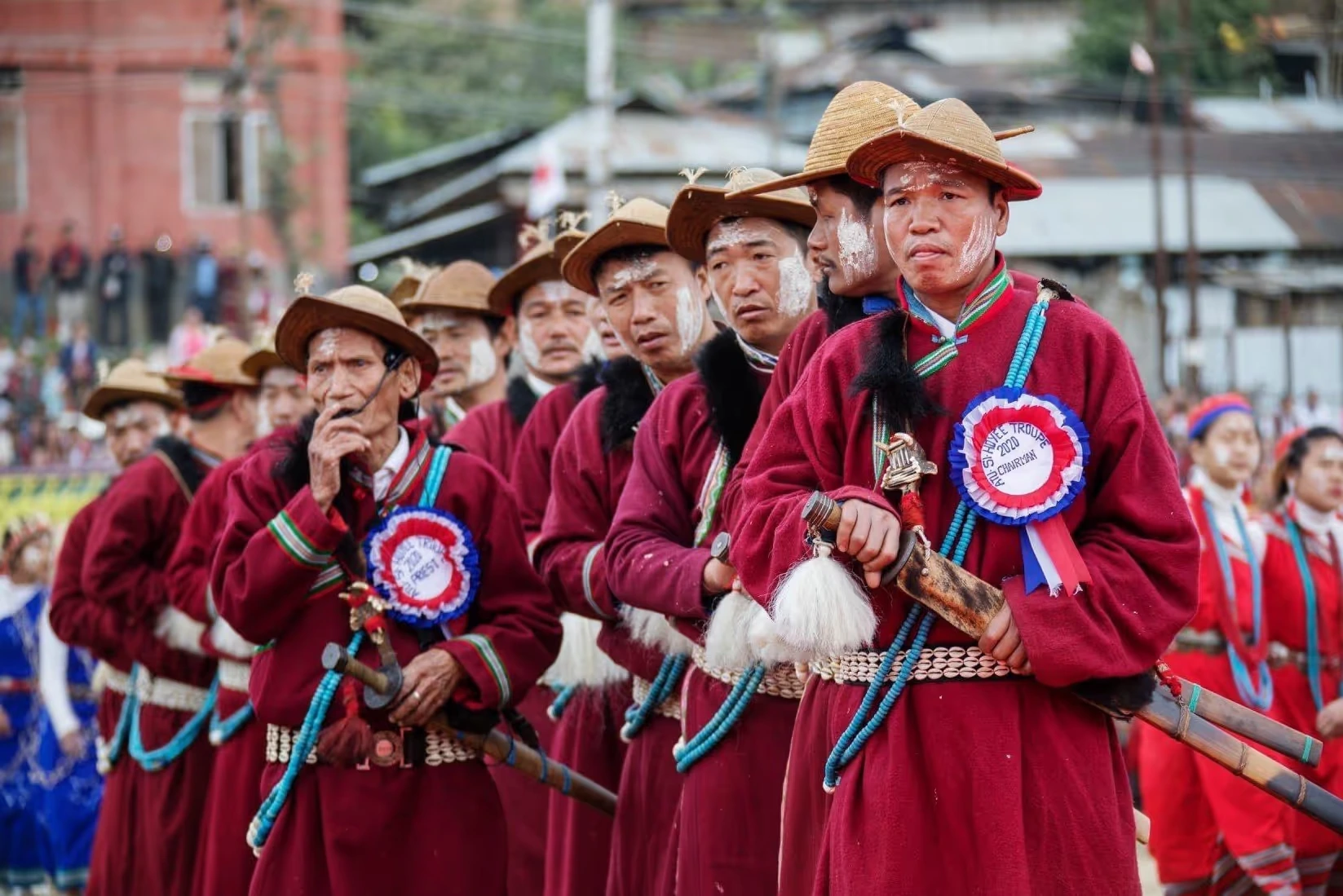
In the verdant hills of Arunachal Pradesh, the Tagin tribe approaches death not as an end, but as a spiritual passage. Their unique “tribal farewell” rituals reflect a profound belief in the soul’s journey, guided by ancestral spirits and protected through sacred rites. With these traditions, the Tagins ensure the deceased and the grieving find peace.
In This Article:
Ancient Beliefs: The Soul’s Departure
For the Tagin people, death is understood through a spiritual lens: the soul, or sema, separates from the body and travels to the “land of the dead.” Age-related deaths are considered natural, while premature death due to disease, accident, or suicide is blamed on malevolent spirits known as wiyus.
Vigil at the Hearth: Guarding Against Evil
When death occurs, the body is laid on its side, knees flexed, beside the tribal hearth for a full night. Family elders remain awake, maintaining the fire and striking the walls and floor with sticks to ward off spirits, believed to prowl the home. By dawn, these protective efforts prepare the body for burial, asserting the importance of spiritual hygiene.
Burial and Grave Goods: Ensuring Safe Passage
Unlike cremation, the Tagin practice burial rites. A grave is dug within the village, sometimes adjacent to the deceased’s house. Alongside the body, loved ones place grave goods, including clothing, leaves, and symbolic items. Most strikingly, a monkey is sacrificed and buried with the deceased; this animal, respected for its intelligence and hill-climbing ability, is believed to guide the soul to the afterlife.
Ten Days of Taboo and Mourning
The family observes a strict taboo for ten days: no outsiders may enter the home except clan members. Communal mourning: the Tagra ju rite takes place on the fourth night for a deceased woman or the fifth night for a man. Relatives gather, sustain a fire, and drink and sing through the night to keep the soul’s tabernacle vigilant.
Tribal Council and Religious Leadership
Traditionally guided by elder arbitrators called gedungs, Tagin villages now operate through council systems. Disputes or ceremonial decisions, including death rites, involve senior male voices. A Nyibu, a priest and mediator with the spirit world, oversees the rituals, playing a crucial role in maintaining cultural and spiritual integrity.
Cultural Continuity: Donyi-Polo Faith and Festivals
The Tagins belong to the larger Tani group, speaking a Tani dialect and adhering to Donyi-Polo, their indigenous faith centered on the worship of Sun (Donyi) and Earth (Si). Priests known as Nyibus lead rituals not only for life but also for death. Major festivals like Si-Donyi, held every January, celebrate the renewal of cosmic order and harmonize humanity with nature.
A Journey Beyond: Death as a Rite of Passage
For the Tagin, the tribal farewell underscores the belief that death marks the beginning of a new journey. A spiritual cleansing performed by the priest, chanting to appease spirits, and symbolic animal sacrifices safeguard both the departed soul and the living family. The proximity of burial to the home maintains the spiritual bond between the living and dead, honoring the departed’s continued presence.
Impact of Modernity and Preservation Efforts
While committed to tradition, the Tagins confront the forces of modernization, such as forestry projects and shifting land use, posing challenges to their spiritual landscapes and ancestral practices. Cultural revival through festivals and community gatherings reinforces identity and continuity.
Death Lived Fully, Death Lived Well
The Tagin tribe’s funeral customs present death as deeply spiritual and communal: an intimate transition rather than an end. Their practices offer powerful reminders about grief, remembrance, and respect. In a world that often views death as an inconvenient fact, the Tagin choose embrace and transcendence, anchoring their sorrow in meaning, ritual, and hope for what lies beyond.
By – Sonali