


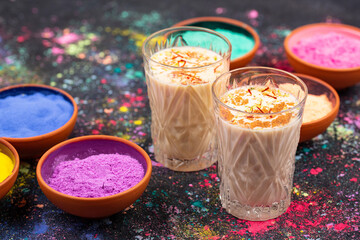
As India gears up for Holi, thandai—the iconic chilled, milk-based festive drink—returns to centre stage. Traditionally prepared with milk, nuts, seeds, saffron, rose, and warming spices, thandai is both a seasonal cooler and a cultural ritual, served in homes, temples, and markets as spring turns into summer.
Rooted largely in North Indian festive kitchens and closely linked with Holi and Mahashivratri, thandai is valued for its cooling, aromatic profile—a welcome balance to rising temperatures and celebratory indulgence. Beyond its flavour, it’s also naturally nutrient-dense thanks to ingredients like almonds, pistachios, poppy seeds, fennel, pepper, cardamom, and saffron—all staples in India’s traditional pantry.
What’s new this year is how thandai is being reimagined. While the classic version remains a Holi essential, modern consumers and chefs are now leaning into health-conscious, dairy-free, low-sugar, and café-style fusion variants—keeping the tradition intact while adapting it to changing lifestyles.
Classic Thandai: The Original Favourite
The traditional thandai recipe still dominates festive tables for one reason: it’s unmatched in taste and nostalgia. Nuts and seeds are typically soaked, ground into a fragrant paste (often called thandai masala), and blended into chilled milk with sugar. Saffron strands and rose petals or rose water lift it into something distinctly celebratory.
Classic thandai symbolises hospitality and togetherness—the kind of drink that’s poured for guests first, before anyone in the house takes a sip. In holy cities like Varanasi, thandai is often treated as more than a beverage—served during festive and religious gatherings as part of local tradition.
Pro tip for a smoother classic: strain once after blending for a silkier café-like finish, and chill for a few hours so the flavour “matures.”
Sugar-Free Thandai: A Health-Conscious Twist
As sugar awareness grows, lower-sugar and “no refined sugar” thandai versions are rising in popularity. Instead of white sugar, many use alternatives such as:
- Dates/date paste (adds caramel notes)
- Jaggery (earthy sweetness—best added carefully so it doesn’t overpower)
- Stevia (sweetness without calories, though it can alter taste)
- Coconut sugar (mild, slightly nutty)
Rather than claiming it becomes “diabetic-friendly” (which depends on individual health needs), it’s safer to describe this as a reduced refined-sugar option that suits many people looking to cut back on added sugar.
Vegan Thandai: Dairy-Free and Inclusive
Plant-based diets have sparked a strong wave of vegan thandai—made with almond milk, oat milk, soy milk, or coconut milk instead of dairy.
- Almond milk amplifies the nutty profile and feels closest to the original flavour family.
- Oat milk gives a naturally creamy mouthfeel and works well for café-style thandai.
- Coconut milk adds a rich tropical note—great for fusion versions like mango or chocolate thandai.
For many, dairy-free thandai isn’t just a trend—it’s an inclusive option for lactose-intolerant guests and anyone who prefers lighter drinks.
Kesar Thandai: Royal, Aromatic, and Festive
Saffron (kesar) thandai remains the premium favourite—known for its golden colour, refined aroma, and celebratory feel. It’s often associated with weddings, special occasions, and “first-serve” hospitality.
To elevate kesar thandai further, many add a pinch of edible silver leaf (varq) or garnish with chopped pistachios—small touches that instantly make it look festival-ready.
Rose Thandai: Floral and Refreshing
Rose thandai is gaining ground for its gentle floral taste and elegant aroma. Made using rose water, rose syrup, or crushed petals, it’s particularly popular in warm climates because it feels light and soothing.
It’s also a café favourite because it pairs beautifully with modern plating—served in tall glasses with ice, dried rose garnish, and nut crumble.
Fusion and Contemporary Variants: Holi Goes Café-Style
Thandai has officially entered the era of “menu innovation.” New-age variants now include:
- Chocolate thandai (dessert-like, popular with younger drinkers)
- Mango thandai (a Holi-to-summer bridge flavour)
- Berry thandai (tangy and colourful, often served chilled like a smoothie)
- Protein thandai (fitness twist using clean protein blends—taste depends on quality)
- Matcha thandai / coffee-thandai (experimental, niche, very “Gen Z café”)
Another big shift: ready-to-drink concentrates and bottled thandai mixes. They make the drink more accessible for busy households—though many still prefer homemade masala for its depth and aroma.
A Note on “Bhang Thandai”
In some regions, Holi is also associated with bhang-infused thandai as part of local custom. Since cannabis laws vary and consumption can carry health and legal risks, it’s best handled with caution and strict adherence to local regulations. For most family-friendly settings, classic and flavoured thandai versions remain the safest, most universal choice.
Why Thandai Keeps Evolving
Thandai’s modern makeover is a perfect example of how Indian food traditions stay alive: they adapt without losing identity. The base remains familiar—spices, nuts, fragrance, celebration—but the format changes with the times: vegan milks, low-sugar options, café presentation, and fusion flavours.
This Holi, whether you prefer your thandai classic and nostalgic or modern and experimental, the drink continues to do what it always has—bring people together, cool the heat of the season, and add a festive sweetness to the air.
By – Sonali