


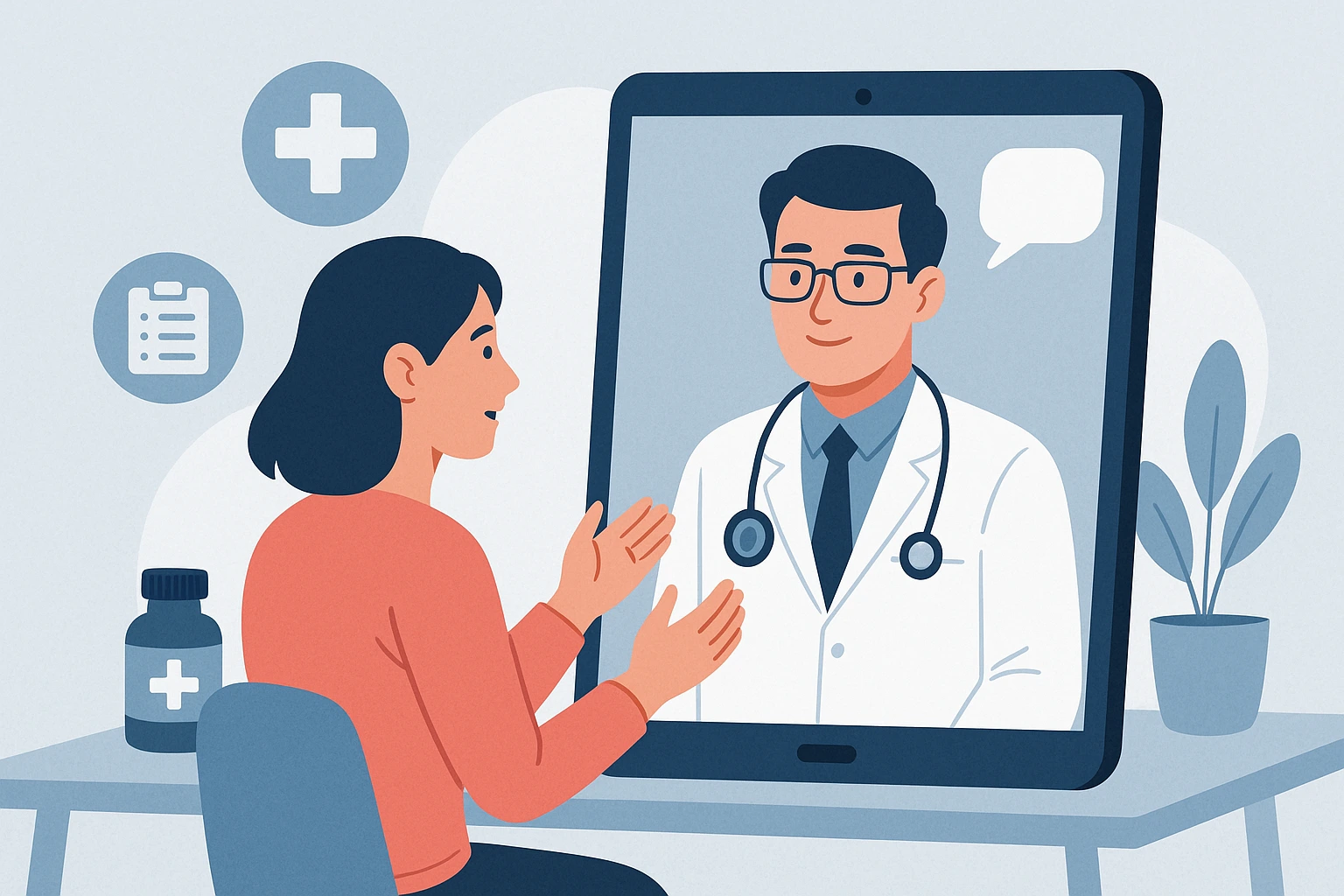
Once seen as a niche service, telemedicine is now transforming into a cornerstone of modern healthcare. With advances in technology, increasing digital literacy, and the global impact of the COVID-19 pandemic, telemedicine is poised to become an essential, everyday part of how people access medical care.
In This Article:
According to the OECD, the adoption of telehealth services has surged in both developed and developing countries, reflecting a fundamental shift in patient care preferences and system-level reforms.
Key Trends Shaping the Future of Telemedicine
Emerging telemedicine trends are setting the tone for a more efficient, inclusive, and patient-centric future. Based on insights from Devabit, Healthcare Transformers, and OECD, here are the top developments:
- AI-Powered Diagnostics and Virtual Assistants – Artificial Intelligence is being used to analyze patient data, offer early diagnosis suggestions, and support decision-making during remote consultations.
- Remote Patient Monitoring (RPM) – Using wearable tech and mobile apps, patients with chronic conditions can be monitored 24/7, reducing hospital visits and enabling early interventions.
- Interoperability and Unified Health Records – Integration across platforms and secure data-sharing are enabling providers to access complete patient histories for more informed care.
- Telepsychiatry and Mental Health Access – Virtual counseling has seen explosive growth, making therapy more accessible, especially in rural or underserved regions.
- Mobile-First Healthcare – Telehealth platforms are increasingly being designed for smartphones, making healthcare truly on-demand.
Benefits Driving Widespread Adoption
The following advantages are driving healthcare providers and governments to invest in telemedicine infrastructure:
- Convenience and Accessibility: Patients can consult doctors without geographic limitations.
- Cost Reduction: Telehealth reduces transport, hospitalization, and administrative expenses.
- Faster Access to Specialists: Referrals and second opinions are just a few clicks away.
- Infection Control: Especially post-pandemic, virtual care minimizes exposure to contagious diseases.
Challenges That Need Addressing
Despite its benefits, several barriers remain:
- Digital Divide: Lack of internet access and digital literacy can exclude vulnerable populations.
- Data Privacy and Security: Ensuring end-to-end encryption and regulatory compliance is critical.
- Clinical Limitations: Physical exams, lab tests, and imaging can’t be fully replaced virtually.
As highlighted in the NIH and PubMed Central research, addressing these limitations will be key to the long-term sustainability of telemedicine.
Moving Ahead – From Optional to Essential
Telemedicine is no longer just a backup plan—it’s an essential healthcare delivery model for the 21st century. With continued investments in digital infrastructure, policy reform, and AI-driven innovation, the future of telemedicine promises more patient-empowered healthcare for all.
By – Nikita