


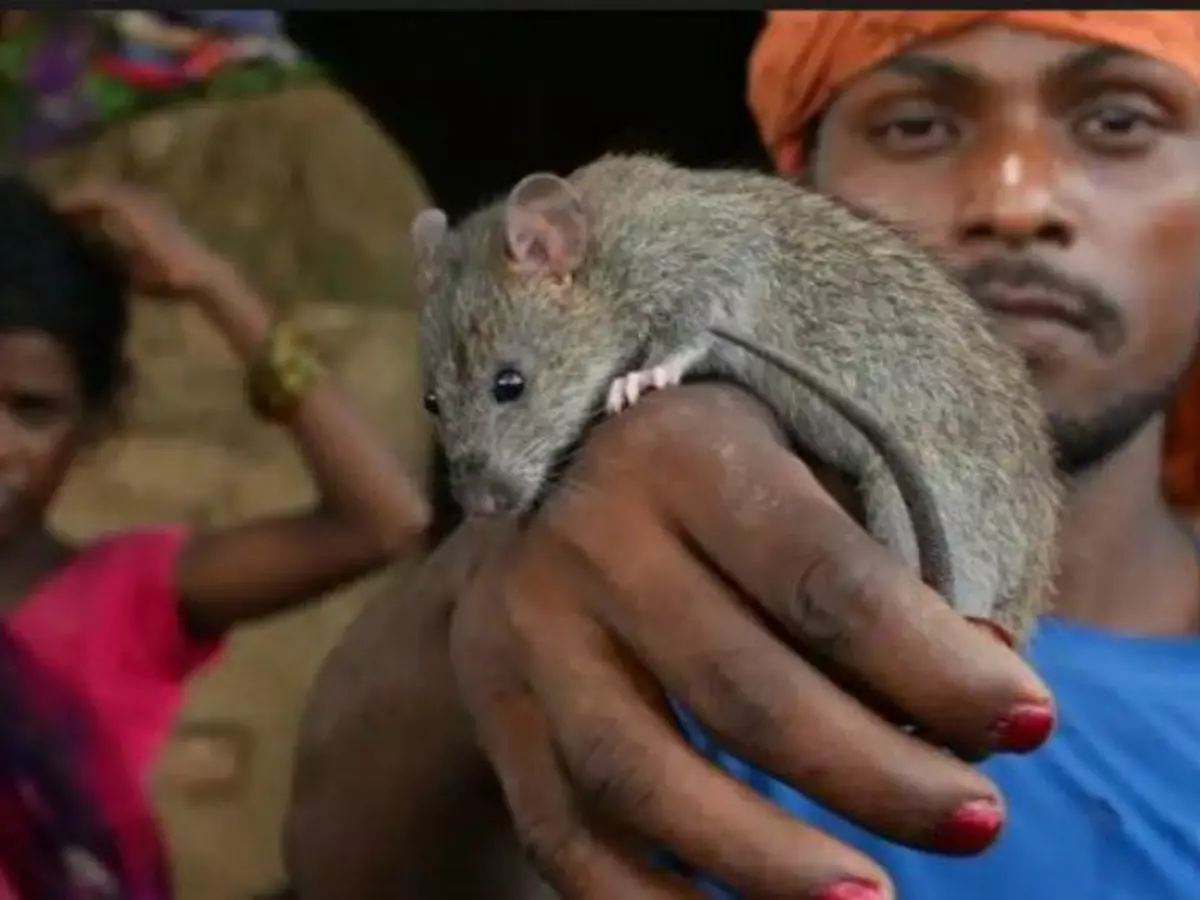
In 2025, the Katkari tribe of Maharashtra, a Particularly Vulnerable Tribal Group (PVTG), remains underappreciated and oppressed, yet their unique cultural practices, including rodent consumption, highlight their resilience. The Katkaris, historically forest-dwellers, number around 235,000, primarily in Raigad and Thane. Their diet includes rodents, celebrated in the Undir Navmi festival, symbolizing strength and survival. Scattered across Maharashtra’s Western Ghats and parts of Gujarat. Facing ongoing challenges from colonial stigma and modern displacement. Their forest-based traditions, including rodent hunting, reflect deep ecological knowledge amid systemic marginalization.
Rodents: A Cultural and Dietary Cornerstone
The Katkaris, also called Kathodi, are one of India’s 75 PVTGs, historically nomadic and forest-dwelling. Their diet, including rodents like the little Indian field mouse, black rat, and greater bandicoot, is a source of social exclusion but cultural pride. The Undir Navmi festival venerates rodents, with the Katkaris believing their meat grants strength and longevity. Using traps post-harvest, they collect rodents and stored grains from burrows, showcasing ingenuity. Social media posts marvel at their resourcefulness, with one noting, “Katkari traditions are a masterclass in survival.”
Historical Oppression and Systemic Neglect
Listed under the British Raj’s Criminal Tribes Act of 1871, the Katkaris faced stigmatization as “habitual offenders,” a label persisting today. Once thriving in the Western Ghats, producing catechu from khair trees, their forest-based livelihoods collapsed after post-independence bans on tree felling and shifting cultivation. Landless, many now work as bonded laborers in brick kilns or charcoal units, with 28.9% migrating for work. Rising land values near Mumbai have led to evictions, with hamlets fenced off or razed.
Socioeconomic Challenges and Malnutrition
The Katkaris face dire socioeconomic conditions, with a 41.7% literacy rate and only 5% owning cultivable land. A 2019 study found 65.4% of Katkari children undernourished, with all pregnant women and 81% of lactating mothers malnourished. Their reliance on forest foods—over 60 uncultivated plants and 75 animals—sustains them, but restrictions on forest access exacerbate poverty. Initiatives like the Pradhan Mantri Van Dhan Yojana have empowered some, like Shahpur’s youth selling giloy online, earning livelihoods during the 2020 lockdown.
Cultural Resilience and Future Hopes
Despite oppression, the Katkaris’ saying, “We put our hands in the tiger’s jaws and count its teeth,” reflects their fearless spirit. Efforts by NGOs like Shramik Kranti Sanghatana and youth like Mahesh Wagh, a B.A. graduate, signal hope. With 80% of Raigad’s tribal population being Katkari, their cultural legacy, including Undir Navmi, demands recognition. Will their traditions endure, or fade under modernization? Community-driven initiatives and policy support could ensure this resilient tribe’s cultural and economic revival.
-By Manoj H