


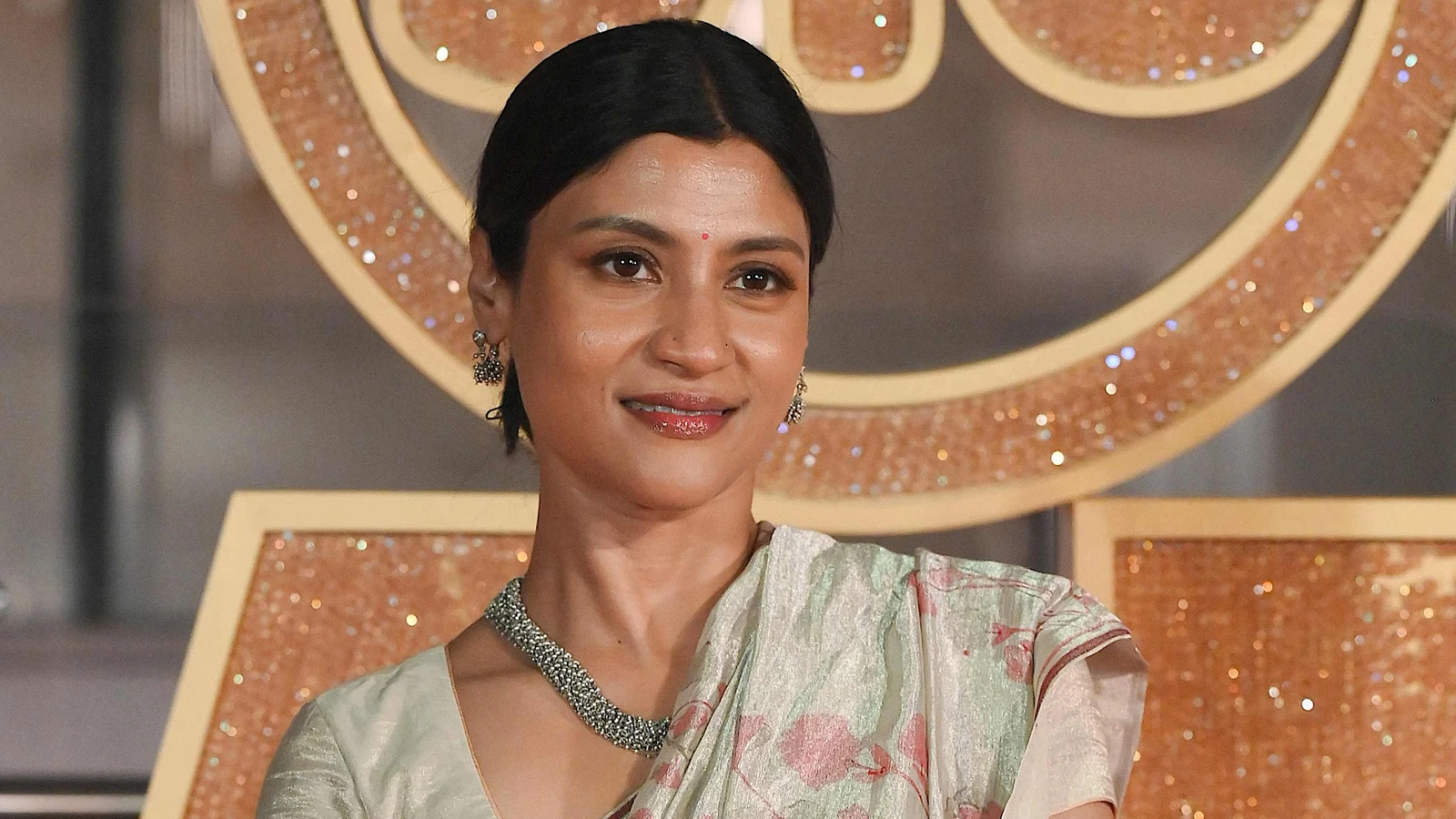
Renowned actor and filmmaker Konkona Sen Sharma has once again sparked a crucial conversation on gender inequity in the Indian film industry. In a candid interview with Firstpost, she emphasized the stark disparity in career progression between mothers and fathers—a phenomenon she terms the “motherhood penalty” and “fatherhood premium”. Her insightful reflections come at a moment when Bollywood grapples with the evolving dynamics of work-life balance, challenging both creators and policymakers to rethink entrenched societal norms.
In This Article:
“Fatherhood Premium” vs “Motherhood Penalty”
Konkona explains that men often experience a career boost post-fatherhood, while women face a slowdown. She states, “fathers, as they have children and they become more and more senior, they earn more and more. But for women…with every child, there is a financial setback”. This imbalance, she argues, stems from a systemic bias: society expects women to shoulder the bulk of child-rearing responsibilities, which in turn limits their professional opportunities.
The term “motherhood penalty” highlights how women are disadvantaged as they strive to maintain both creative careers and maternal roles. Meanwhile, the “fatherhood premium” references the boost men receive in society’s valuation of them once they become providers and parents.
Impact on Personal Choices & Workforce Dynamics
Konkona warns that the systemic disadvantage may deter career-driven women from choosing motherhood. She reflects that “women are not incentivised to have children at all because it’s becoming more and more difficult”. Her observations highlight a troubling trend: gendered expectations about caregiving roles not only limit women’s career trajectories but may also discourage them from expanding their families.
These comments resonate beyond Bollywood, extending to broader Indian corporate culture and the public sector. Despite recent government-led initiatives to support working mothers, many women still experience pay cuts, fewer creative offers, and stalled advancement once they become parents.
Call for Policy Reforms
Konkona Seng Sharma advocates that meaningful change requires intervention at the policy level. She urges, “governments will have to kind of change policies for working mothers. Otherwise it’s not going to happen”. Her stance aligns with growing global demands for better maternity benefits, extended paid parental leave, subsidized childcare, and flexible working arrangements, both within Bollywood units and the corporate world at large.
Currently, many film productions lack structured parental support—such as extended on-set breaks, creche facilities, or flexible shooting schedules—which severely disadvantages women juggling career and childcare.
Konkona’s Personal Experience
Her words carry particular weight given her experience as a working mother. Konkona shares custody of her son, Haroon, with ex-husband Ranvir Shorey. Married in 2010 and divorced by 2020, both actors continue to co-parent their child. While championing progressive ideals in her personal arrangements, she acknowledges that systemic change is essential to help more women succeed—in entertainment and beyond—without sacrificing family.
Bollywood’s Gender Gap: A Closer Look
Studios and casting directors have historically exhibited reluctance to hire women above a certain age or stage—especially after motherhood—for lead roles. Meanwhile, male actors continue to play protagonists well into their fifties and sixties. This disparity, Konkona’s remarks imply, may underscore far deeper structural biases in casting, pay determination, and talent retention.
Film veteran Kalki Koechlin praised Konkona’s articulation, calling her observations “brilliant”. Many believe that her spotlight on the issue will push industry peers to reconsider internal practices.
Upcoming Release: ‘Metro… In Dino’
Konkona is currently busy with the release of Anurag Basu’s highly anticipated film, Metro… In Dino, a sequel to the 2007 cult classic Life… In a Metro. The ensemble features herself along with Pankaj Tripathi, Aditya Roy Kapur, Sara Ali Khan, Ali Fazal, Fatima Sana Shaikh, Neena Gupta, and Anupam Kher. Slated to hit theatres on 4 July 2025, the film explores themes of evolving relationships in mid-life, existence, and domesticity.
With its nuanced portrayal of familial and marital dynamics, the film provides a fitting backdrop to Konkona’s advocacy for reimagining gender roles both on-screen and off.
Industry & Audience Reaction
Following her interview, digital platforms and entertainment channels echoed the debate. Moneycontrol and ABP Live amplified her comments, emphasizing how a lack of industry support forces mothers into sidelined careers. iDiva, an online women’s lifestyle portal, lauded the terminology she coined and underscored the lingering financial burden on educated modern women.
This broad coverage suggests an encouraging receptiveness among audiences—especially women—who resonate with her lived experiences. Conversations have begun around the need for studios to adopt gender-equitable policies, while impartial evaluation, unbiased casting, and standardized working conditions emerge as key themes.
A Turning Point for Bollywood
Konkona Sen Sharma’s forthright stance revives the spotlight on the persistent “motherhood penalty” faced by working women. Her words remind us that societal change requires more than applause—it demands systemic support, structural reforms, and cultural introspection. As Metro… In Dino releases this week, audiences may find its emotional narratives amplified by the realism behind her words.
By pairing her artistry with advocacy, Konkona invokes a necessary conversation: how Bollywood and beyond can ensure that becoming a mother boosts talent rather than eclipsing it. Only then can true gender parity take root—on screen and off.
By – Sonali