


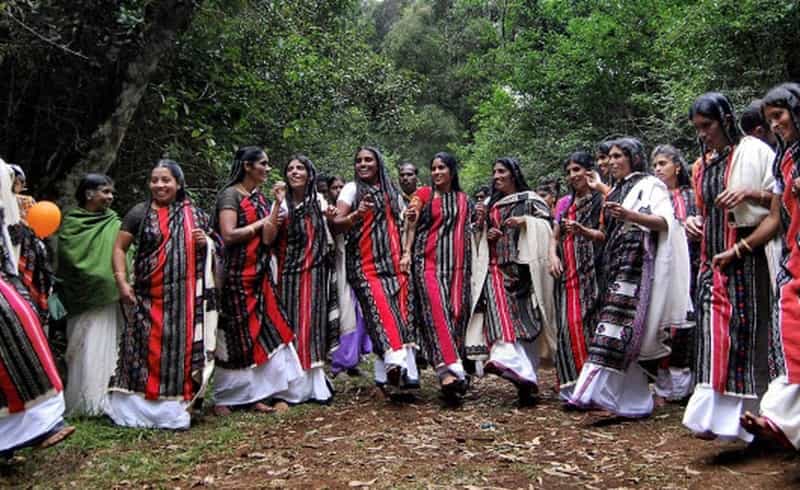
In the misty heights of Tamil Nadu’s Nilgiri Hills, an extraordinary tale unfolds daily. Here, amidst shola forests and tea-scented breezes, lives a people whose very name evokes reverence and trepidation—the Kurumbas, tribal guardians of one of India’s most potent magical traditions.
Legacy of Displaced Royalty
Believed to descend from the Pallava dynasty of the 7th century CE, the Kurumbas are said to have fled to the Nilgiris after defeat by the Cholas in the 9th century CE. Today, they rank among the six Scheduled Tribes of the region, organized into subgroups: Alu (cultivators), Jenu (honey collectors), Betta (hill dwellers), Urali (villagers), and Mullu (thorn people), each speaking its own dialect blending Tamil, Kannada, and Malayalam.
The Sorcerers’ Mystique
What sets the Kurumbas apart is their reputation as masters of black magic. Their specialists include the Kanigara (diviner), Devvagara (exorcist), Odia (sorcerer), Maddugara (therapist), and the feared Pilligara (wizard able to shape-shift). Other Nilgiri tribes, like the Badaga, Kota, and Toda, attributed unexplained illnesses and misfortunes to Kurumba spells, often barring them from village interiors and conducting transactions at the perimeter out of fear. Historical records even describe retaliatory attacks against Kurumba settlements in the 19th century, driven by terror of their supposed supernatural deeds.
Guardians of Ethnobotanical Wisdom
Beyond sorcery, Kurumba healers possess deep ethnobotanical expertise. Recent studies document 88 medicinal plant species across 47 families used to treat ailments, especially gastrointestinal disorders. Preparations range from castor-oil infusions for abdominal pain to complex herbal concoctions validated for efficacy in over three-quarters of cases. Their rituals blend herbal remedies with incantations, aiming to restore physical and spiritual balance.
Spirit Mediumship and Ancestral Worship
The Kurumbas maintain a rich spiritual cosmology. Jenu Kurumba shamans serve as mediums for ancestral spirits during ritual possessions, diagnosing illnesses attributed to malevolent entities. Healing ceremonies often involve medicinal threads, herbal fumigations, and blood offerings, reflecting a belief that health hinges on appeasing unseen forces.
Artistic Revival
Ancient rock art at Eluthu Paarai, depicting honey collection, weddings, and sacred animals, reveals a millennia-old artistic tradition. Recognizing its near extinction, the C.P. Ramaswami Aiyar Foundation launched revival programs in Sundapatti and Velleri Kombai, teaching youth to paint on natural canvases using Kino tree resin.
Modern Challenges and Adaptations
Forest regulations and deforestation have curtailed traditional livelihoods like honey gathering, pushing Kurumbas toward agricultural labor and plantation work. Limited educational access and infrastructural support leave them economically marginalized. Yet, their animistic beliefs now merge with Hindu deities, Kurumbadevaru, Bhadrakali, Murugan, Shiva, while core rituals like the annual buffalo sacrifice to appease the evil “muniravala” endure.
Between Tradition and Change
The Kurumbas stand at a crossroads of ancient mysticism and modernity. Younger generations attend schools and seek wage employment, even as their reputation for sorcery persists. Their nuclear families inhabit bamboo houses encircled by medicinal gardens, embodying a fusion of ancestral wisdom and contemporary aspirations.
As dawn’s mist drifts through the Nilgiri valleys, the Kurumba legacy, woven with threads of magic, medicine, and art, continues to captivate and confound. In their secluded settlements, the descendants of displaced kings maintain secrets that defy easy explanation, reminding us that some mysteries live on in the hush of ancient forests.
By – Sonali