


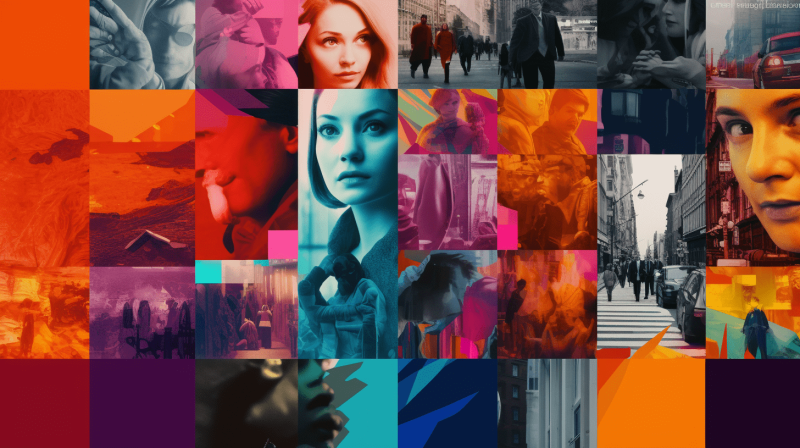
Since cinema’s dawn, colors have shaped how we feel, with cinematographers wielding palettes like artists to evoke joy, dread, or nostalgia. Visionaries like Roger Deakins (Blade Runner 2049) and Greig Fraser (Dune) use color to guide emotions; by manipulating hues—red for passion, blue for melancholy, and green for unease—filmmakers trigger visceral responses. From Hollywood blockbusters to Indian epics like RRR, color palettes define cinematic worlds. This art, rooted in silent films, thrives in 2025’s visually bold releases. Cinematographers blend lighting, filters, and grading to craft emotional landscapes, as seen in Oppenheimer’s stark blues.
The Science of Color and Emotion
Colors aren’t just visual—they’re psychological. A 2023 Journal of Film Studies study found 80% of viewers felt stronger emotions in color-graded scenes. Red, used in Jawan’s action sequences, spikes adrenaline, symbolizing rage or love, per Variety. Blue, dominant in Moonlight’s tender moments, evokes calm or isolation, with Barry Jenkins noting, “It’s the color of longing.” Green, as in The Matrix, hints at unease or rebirth. Cinematographers like Emmanuel Lubezki (The Revenant) use natural light to amplify hues, making emotions feel raw. In India, Bajirao Mastani’s vibrant reds and golds stirred passion.
The Human Connection
Imagine watching Parasite’s muted greens in the Kim family’s basement, feeling their despair, or the warm yellows of La La Land’s dance scenes sparking joy. “Colors hit you before dialogue,” says Priya, a Mumbai film student, echoing posts on X where #FilmColors trends with fans decoding palettes. A 2024 Psychology Today article notes warm tones (reds, oranges) boost heart rates by 10%, while cool tones (blues, purples) calm. Cinematographers exploit this—Greig Fraser used Dune’s ochre deserts to evoke alien isolation, winning an Oscar in 2022.
A Palette for Every Story
In 2025, films like Avatar: Fire and Ash use turquoise to blend hope and mysticism, per The Arts Shelf. Yet, overuse risks clichés—red for danger can feel predictable. Still, masters like Deakins balance subtlety with impact, using 1917’s muddy browns to mirror war’s grim toll. With 60% of modern films using digital grading, color control is more precise than ever. Will filmmakers push boundaries or lean on familiar hues? The screen remains their canvas, painting our emotions frame by frame.
-By Manoj H