


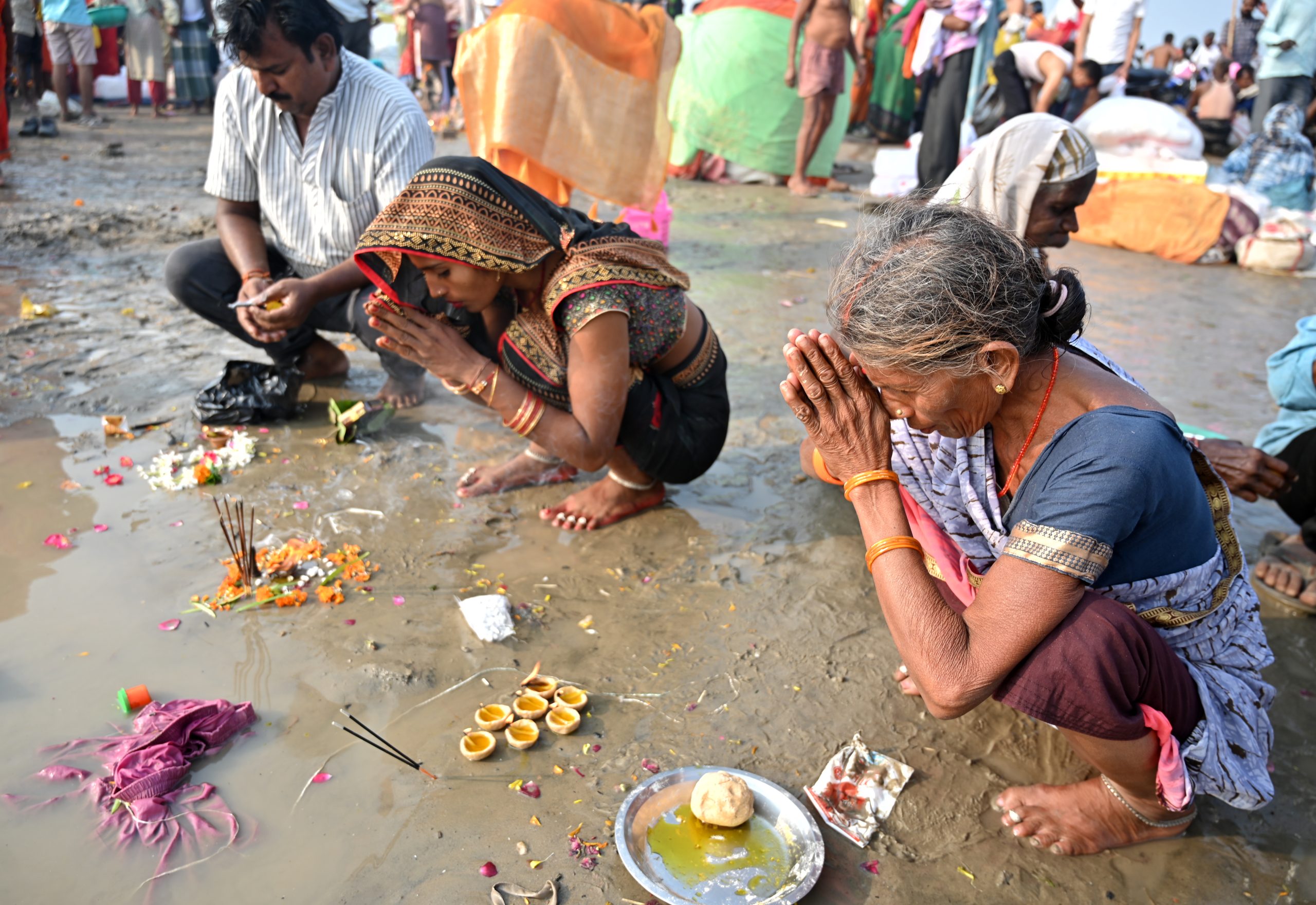
When we celebrate Dhanteras, our minds often turn to Lakshmi, Kuber, and Dhanvantari, but few pause to remember Lord Yama, the god of death and justice. Yet, the tradition of Yama Deepam during Dhanteras has its roots in a fascinating legend involving King Hima and his son—a story of fate, courage, and devotion that continues to inspire families across India.
A Kingdom Blessed Yet Shadowed by Fate
Long ago, in a flourishing kingdom ruled by King Hima, there was peace, prosperity, and justice. Hima was a kindhearted ruler, beloved by his people, and his only son reflected all the virtues of the king—kindness, generosity, and a deep respect for righteousness. But the happiness of the royal household was clouded by a cruel prophecy.
Astrologers, upon casting the prince’s horoscope at birth, discovered a disturbing prediction: the young prince would die from a snakebite on the fourth night after his marriage, when he would turn sixteen. King Hima, devoted and loving, was stricken with anguish. No parent can bear the thought of losing a child so young. The pain of knowing the future shook him to his core.
The Karmic Reason Behind the Prophecy
The astrologers said the prophecy was not a punishment but a result of karma. In the Vedic belief, a soul can carry unfinished debts from past lives, and the prince’s future reflected a duty to Lord Yama, the god of death. It was a reminder that while destiny follows divine law, humans can still act carefully and with devotion to change what happens. Hima searched for ways to avoid this fate, determined to save his son from an early death.
The Wise Bride Who Challenged Fate
Hima’s only hope lay in marrying his son to a girl whose horoscope was auspicious enough to offset the curse. After a careful search and many challenges, he found a young woman of exceptional wisdom and virtue. She agreed to the marriage, aware of the prophecy, embracing the responsibility not out of fear, but out of her faith in dharma (the path of righteousness).
On the fateful night foretold by the astrologers, she devised a plan to outsmart Yama, the god of death, himself. On the fourth night of their marriage, the young bride decorated the house elaborately. She piled up all her gold ornaments and silver coins at the doorway and lit hundreds of lamps all around, filling the palace with radiant light. To prevent her husband from sleeping, she engaged him in conversation, narrated stories, and sang melodious songs through the night, keeping him awake and joyous in her company
The Night of Yama’s Arrival
As predicted, Yama entered the palace in the guise of a serpent. But when he reached the entrance, he was dazzled by the brilliance of the lamps and the reflective glow of gold and silver. The powerful deity of death—usually unshaken—was now enchanted by the sight and sound before him. The sweetness of the bride’s voice and the shimmering light lulled him into stillness. Entranced, he sat atop the pile of treasures and listened to her songs the entire night.
When dawn arrived, Yama realized the destined hour had passed. Having missed his chance, he quietly departed, sparing the prince’s life. The prophecy had been averted not by power or ritual, but through the devotion, virtue, and wisdom of the bride. Her actions demonstrated the triumph of love and duty over fear, a lesson that resonates deeply in the Dhanteras tradition.
The Birth of Yama Deepam and Its Legacy
From this legendary night arose the tradition of Yama Deepam. Families light oil lamps outside their homes on Dhanteras to honor Lord Yama and seek protection from untimely death. The light symbolizes the power of vigilance, devotion, and righteous action over destiny. In many households, the lamps are kept burning throughout the night, serving as a reminder that even the god of death respects devotion and courage.
Today, the ritual is especially observed in South India—Tamil Nadu, Andhra Pradesh, and Telangana. Here, families light 13 wheat flour diyas filled with sesame oil, facing south, in homage to Yama. Beyond its spiritual significance, Yama Deepam is a celebration of life, courage, and the human ability to influence fate through wisdom and dedication.
A Story of Devotion and Triumph
The tale of King Hima’s son and his wise bride is more than just folklore—it is a living lesson. While we honor wealth and health during Dhanteras, Yama Deepam reminds us to honor vigilance, righteousness, and devotion. In lighting the lamps, families celebrate the enduring human spirit, the triumph over fear, and the eternal light that wisdom and courage bring into the world.
– By Charu Mandhyan