


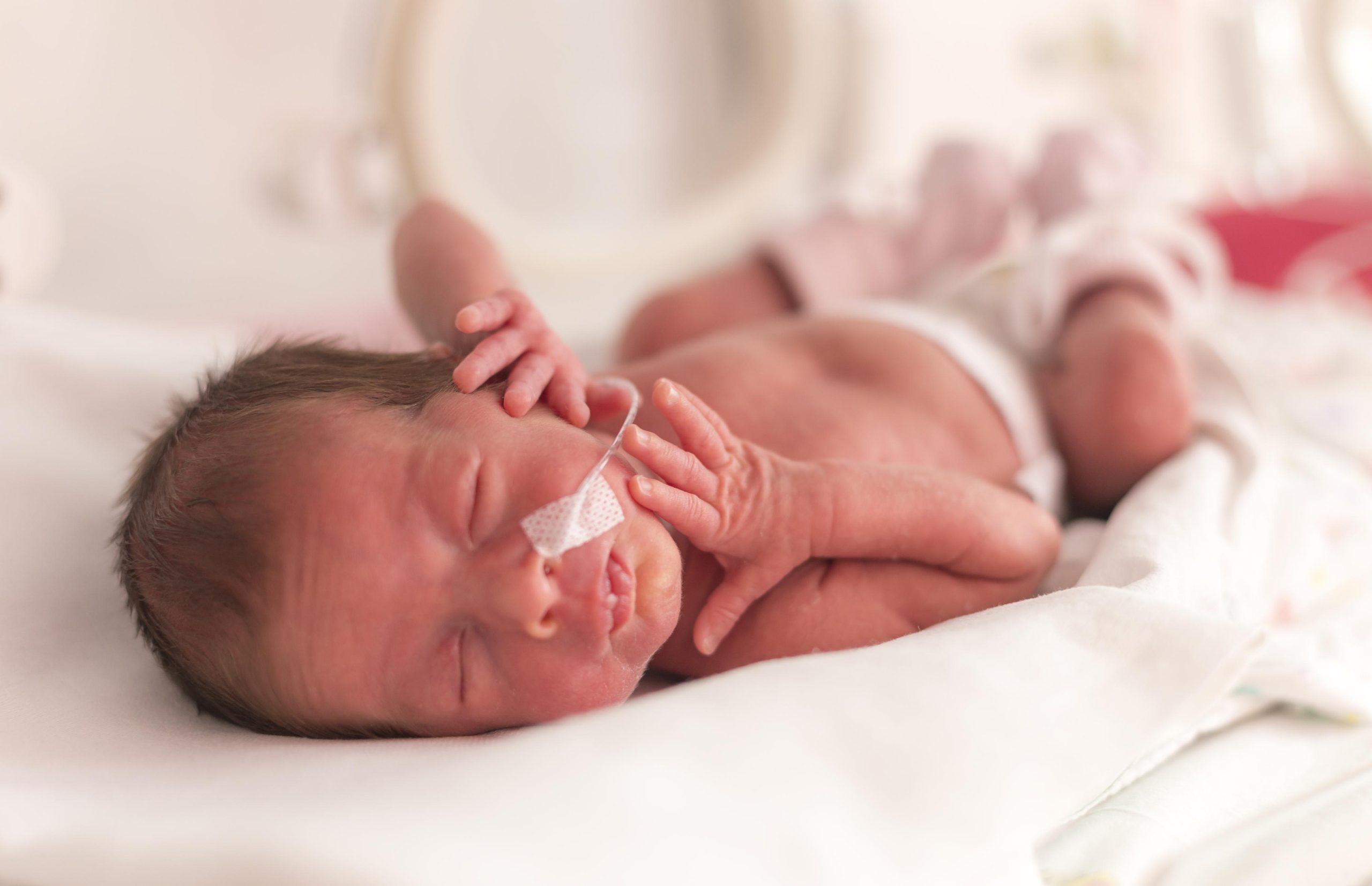
India is facing a grave public health emergency as new research highlights a strong link between air pollution and adverse birth outcomes. Fine particulate matter, or PM2.5, has been shown to significantly increase the chances of pre-term births and low birth weight in newborns.
In This Article:
A nationally representative study published in PLOS Global Public Health reveals that a mere 10 µg/m³ rise in ambient PM2.5 correlates with a 5 percent increase in low birth weight and a 12 percent spike in preterm births. For pregnant women, breathing polluted air can lead to irreversible consequences even before birth.
Startling Statistics from Birth Outcome Data
Researchers analysed data from the National Family Health Survey-5 (2019–21) alongside satellite-derived PM2.5 maps. The findings are nothing short of alarming:
- 13 percent of newborns were delivered pre-term, and 17 percent had low birth weight.
- In highly polluted northern regions, preterm birth rates reached 39 percent in Himachal Pradesh, 27 percent in Uttarakhand, 18 percent in Rajasthan, and 17 percent in Delhi.
- Low birth weight was reported in 22 percent of births in Punjab—India’s highest—followed by elevated rates in states including Delhi, Haryana, UP, MP, and the Union territory of Dadra & Nagar Haveli .
Researchers also noted that climatic factors-like rainfall and temperature, exacerbate these risks, compounding the adverse effects of air pollution.
PM2.5 Explained: The Invisible Threat
PM2.5 refers to airborne particles less than 2.5 microns in diameter. These can penetrate deep into the respiratory system and bloodstream, contributing to inflammation, impaired oxygen transport, and vascular stress, conditions detrimental to fetal development.
These particles originate largely from burning fossil fuels, biomass, industrial emissions, and vehicle exhaust. India ranks as the third most polluted country globally, according to the 2023 World Air Quality Report.
Geographic Disparities Spotlight Northern India
The study’s geospatial analysis reveals stark regional variations. The “upper Gangetic belt”, including states like UP, Bihar, Delhi, Punjab, and Haryana-showcases higher ambient PM2.5 levels and correspondingly elevated rates of pre-term births and low birth weight. In contrast, northeastern states such as Mizoram, Manipur, and Tripura, which enjoy cleaner air, report healthier birth outcomes.
Beyond Birth: Lifelong Health Implications
Preterm birth and low birth weight are more than short-term concerns, they’re risk factors for lifelong health challenges. Affected children face:
- Higher rates of infant mortality.
- Greater susceptibility to infections and respiratory conditions.
- Increased risk of developmental delays and chronic diseases in adulthood.
Moreover, evidence indicates that the combination of air pollution, extreme heat, and wildfire smoke, exacerbated by climate change, puts pregnant women under multiple environmental stressors.
Call for Action: Policy and Public Health Remedies
The study’s authors and health experts urge rapid, targeted interventions:
- Strengthen the National Clean Air Programme (NCAP): Implement stricter emission standards, expand air quality monitoring networks, and enforce pollution control measures in hotspots.
- Expand climate adaptation measures: Introduce heat action plans and water management systems to mitigate environmental stressors.
- Raise public awareness: Educate pregnant women about risks and promote protective measures—N95 masks, air purifiers, and avoiding high-pollution periods.
- Focus on high-risk districts: Particularly in northern India, where targeted maternal and child health strategies are most needed.
Expert Voices Stress Urgency
In India Today, specialists underscore the severity: Dr Vikas Mittal of CK Birla Hospital notes, “Air pollution … has emerged as a significant public health threat, especially for pregnant women and newborns,” while Dr Neha Pawar warns of environmental toxins potentially causing congenital defects and maternal complications.
International consensus echoes the alarm: a global PLOS Medicine analysis estimates up to 6 million premature births and 3 million low birth weight cases each year may be attributed to air pollution, both indoors and out.
Clouds over the Future Generation
India’s air pollution crisis transcends respiratory health, it is eroding neonatal outcomes and threatening the welfare of future generations. With one in eight babies born premature and nearly one in six born underweight, the stakes are existential. Solving this crisis demands integrated policy, environmental, and health responses-starting now.
By – Sonali