


The first months of 2026 have already delivered a busy trailer season: romance built for Valentine week, sequels powered by nostalgia, legacy horror with higher emotional stakes, and pop-culture biopics that instantly polarise the internet. Across languages and genres, one thing is clear — trailers that offer a strong hook (emotional, cultural, or franchise-driven) are the ones dominating timelines.
1) Do Deewane Seher Mein: A Warm Romance Timed for Valentine Week
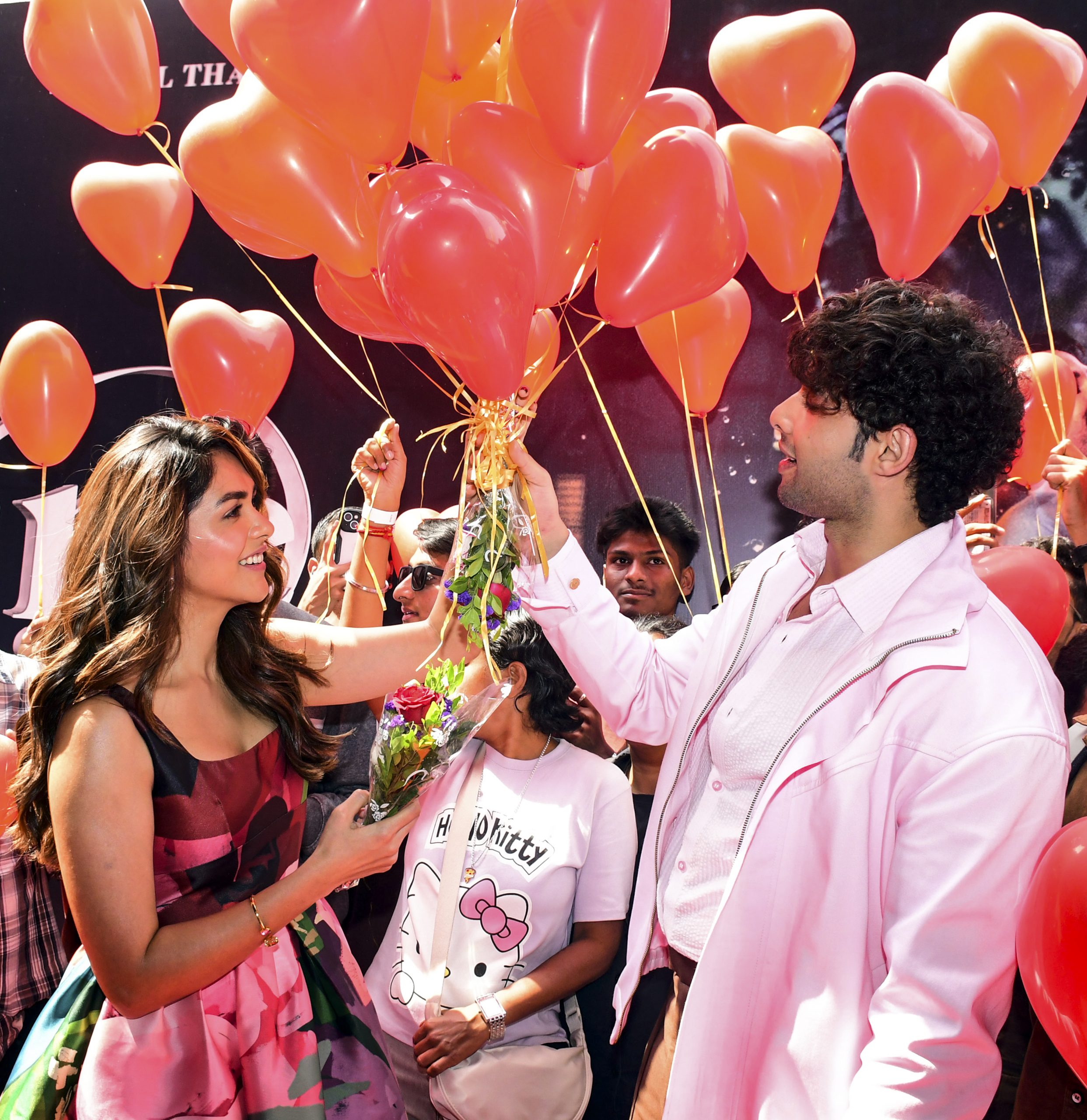
The trailer for Do Deewane Seher Mein — led by Siddhant Chaturvedi and Mrunal Thakur — is trending for its easy warmth and “imperfectly perfect” love-story tone. With the film headed for a 20 February 2026 release, the marketing smartly leans into the season: chemistry-first moments, city-lit intimacy, and a feel-good promise that doesn’t overcomplicate itself.
Why it works: It sells mood and relatability — and in the romance genre, that can be a bigger draw than plot density.
2) The Devil Wears Prada 2: Nostalgia + spectacle = instant virality
Few trailers arrive with this level of built-in cultural memory. With core faces returning, The Devil Wears Prada 2 leans into familiar energy — the pressure-cooker world of fashion, ambition, and razor-edged dialogue — while teasing a story shaped by a changed media landscape. The trailer’s scale of attention is part of the story itself, with reports noting 222 million views in 24 hours and the film targeting a May 1, 2026 release.
Why it works: It activates two audiences at once — older fans chasing nostalgia and newer viewers drawn by the “event trailer” momentum.
3) Scream 7: Legacy horror, but with family stakes
The Scream 7 marketing push is tapping into what modern franchise horror does best: keep the mythology, raise the personal cost. With Sidney Prescott back at the center — and the threat aimed closer to home — the trailer doesn’t rely only on jump scares. It positions the story as a psychological escalation of everything Sidney has survived. With release widely pegged at February 27, 2026, the franchise is clearly selling this as a major return.
Why it works: It upgrades fear into emotion — and that’s what makes even familiar horror beats feel urgent again.
4) Michael: A biopic trailer built to trigger debate
The debut trailer for Michael is doing what the biggest music biopics always do: spark conversation before anyone has watched a single scene in full context. Jaafar Jackson’s casting and performance, the tonal seriousness, and the sheer cultural weight of the subject ensure strong reactions — including skepticism and hype — living side by side online. The film is set for April 24, 2026.
Why it works: It sells legacy and invites judgment — biopic trailers don’t need unanimous love; they need curiosity.
5) Anime energy: Ghost in the Shell + My Hero Academia: Vigilantes
Beyond Hollywood, anime trailers are delivering some of the strongest “world” moments right now. A new Ghost in the Shell adaptation has a trailer and is being framed as a major 2026 title, with reporting pointing to a July 2026 window and a big global-streaming push.
Meanwhile, My Hero Academia: Vigilantes continues to prove how powerful focused fandom marketing can be — Crunchyroll’s updates and trailers underline how spinoffs thrive when they clearly define their niche and tone.
Why it works: Targeted engagement. These communities amplify trailers organically — frame-by-frame analysis, lore breakdowns, meme culture, and repeat viewing.
In 2026’s crowded attention economy, trailers that “win” aren’t always the biggest — they’re the ones with the clearest hook. Whether it’s nostalgia with a new conflict (The Devil Wears Prada 2, Scream 7), emotion-led storytelling (Do Deewane Seher Mein, Michael), or fandom-fuelled world-building (anime launches), the common thread is simple: make audiences feel something and give them a reason to talk. The trailers that balance familiarity with freshness, and spectacle with a human beat, don’t just trend for a day — they stay in conversation until release.
By – Sonali