


India in 2026 offers far more than the usual tourist circuits. A growing number of travellers are choosing small-scale, locally owned destinations—where money spent on stays, meals, guides, and crafts circulates within village economies and artisan groups. Here are 15 underrated places that deliver authentic experiences while helping local communities benefit directly.
1) Majuli, Assam
Often described as one of the world’s largest inhabited river islands, Majuli is slow-paced, cultural, and deeply tied to river life—also facing ongoing erosion pressures.
Spend local: Choose village homestays, visit satras respectfully, and buy masks/handicrafts directly from makers.
2) Kibber & Kaza, Spiti Valley (Himachal Pradesh)
High-altitude villages with homestays, monasteries, stark landscapes and night skies.
Spend local: Stay in family-run homes, hire local guides, and buy woollens/handmade items at village level (not highway mark-ups).
3) Ziro Valley, Arunachal Pradesh
Apatani culture, bamboo homes, paddy fields, pine forests and a calm, community-first travel vibe.
Spend local: Homestays, local treks, bamboo/cane crafts, and small eateries keep earnings local (permits may apply).
4) Lachen & Lachung, North Sikkim
Mountain villages known for simple food, waterfalls, monasteries, and dramatic seasonal landscapes.
Spend local: Use registered local operators/homestays—North Sikkim access is permit-driven, so plan responsibly.
5) Dholavira, Kutch (Gujarat)
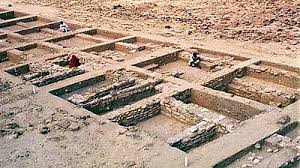
A powerful, quiet destination anchored by the Harappan city ruins—now a UNESCO World Heritage Site.
Spend local: Stay in village-style accommodations nearby and buy Kutch crafts directly from artisan clusters.
6) Gurez Valley, Jammu & Kashmir
A stunning Himalayan valley with distinct Dard-Shina culture, river walks and pastoral landscapes.
Spend local: Prioritise local homestays, local drivers/guides, and pay fair rates for handmade products and food.
7) Haflong & Jatinga, Assam
Haflong offers hill calm; Jatinga is known for seasonal bird-disorientation events linked to fog and artificial lights.
Spend local: Choose community stays and local guides; treat the Jatinga topic responsibly—avoid sensationalism.
8) Pelling & Yuksom, West Sikkim
Kanchenjunga views, monasteries, forest trails, and village gateways to longer treks.
Spend local: Homestays, local porters, local produce, and small cafés support village livelihoods.
9) Phugtal & Zangla (Zanskar, Ladakh)
Remote villages and monastery landscapes where travel is slower and more effortful—often involving trekking.
Spend local: Monastic guesthouses and village stays, plus locally made woollens/apricot products, keep value in the valley.
10) Mawlynnong & Shnongpdeng (Meghalaya)
Clean village tourism + river experiences near Dawki: gentle hikes, local food, community-run activities.
Spend local: Stay local, hire village boatmen/guides, and keep plastic out of the ecosystem.
11) Nongriat & Tyrna Root-Bridge Trail, Meghalaya
The iconic living-root-bridge trek (including the double-decker bridge) is best experienced with local guides.
Spend local: Hire village guides and stay overnight in simple homestays to reduce rushed, high-impact day trips.
12) Chaukori & Munsiyari, Uttarakhand
Kumaon views, village trails, and a strong local-food story built around millets and seasonal produce.
Spend local: Homestays + locally sourced meals + local guides make the economy work for villages, not just transit towns.
13) Bhujodi & Ajrakhpur, Kutch (Gujarat)
Textile villages where weaving and block-printing are living traditions—not souvenir factories.
Spend local: Buy directly from artisan families/co-ops, watch demonstrations respectfully, and pay fair prices.
14) Chitkul & Sangla, Kinnaur (Himachal Pradesh)
Orchards, riverside walks, wooden temples, and a slower Himalayan pace.
Spend local: Stay with orchard homestays, buy apples/dried fruits from local sellers, and support women’s self-help products.
15) Gokarna (Kudle & Om Beach belt), Karnataka
A quieter coastal alternative where local guesthouses and fisheries shape the everyday economy.
Spend local: Choose family-run stays, eat locally, book boats through local operators, and support beach cleanliness initiatives.
How to keep tourism community-first
- Choose community-run / family-run stays over large chains where possible.
- Ask a simple question: “Who owns this place, and who benefits from this booking?”
- Travel slow, pack light, avoid litter, and buy crafts directly from makers.
— By Manoj H