


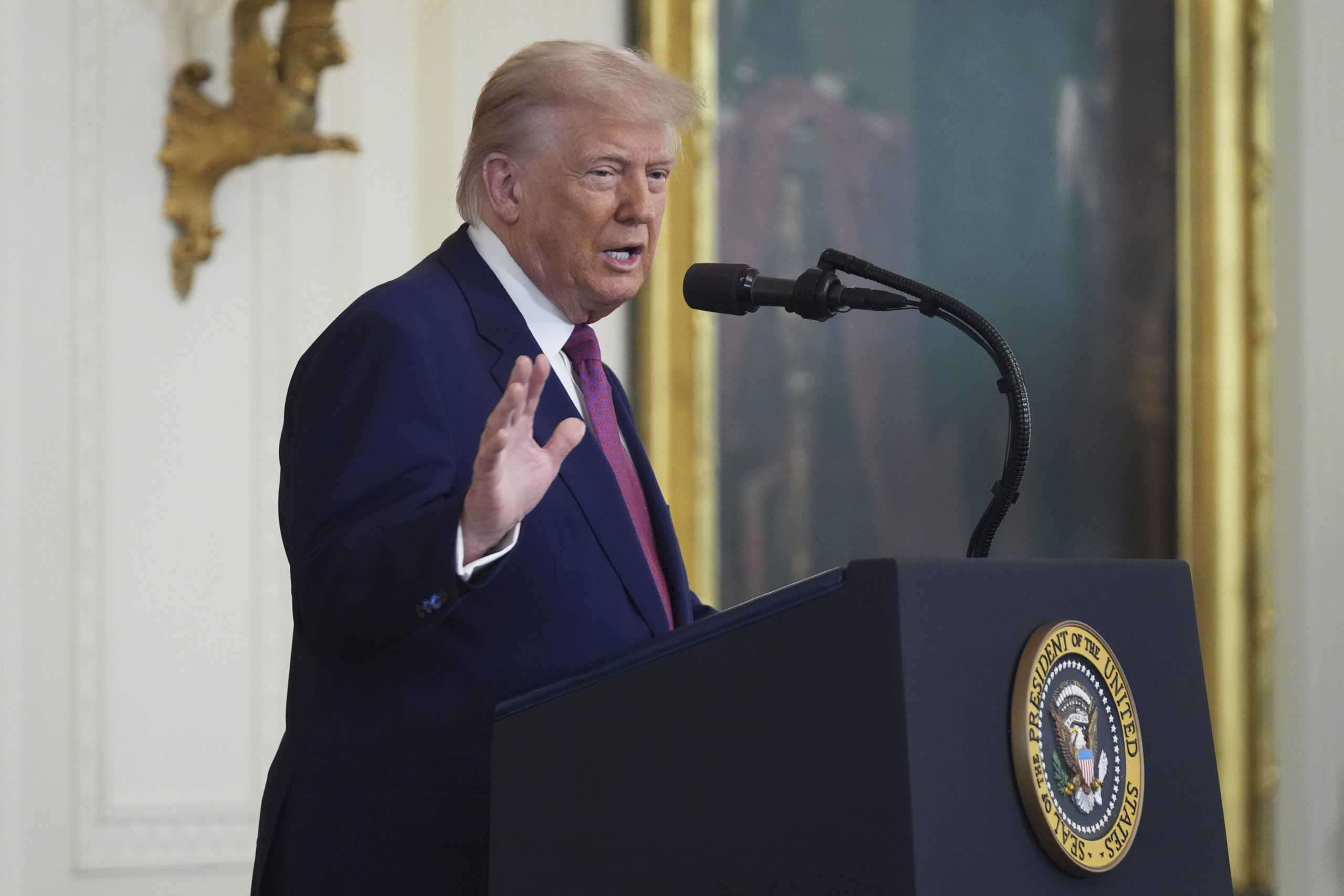
On June 18, 2025, U.S. President Donald Trump hosted Pakistan’s Army Chief, Field Marshal Asim Munir, for a closed-door lunch at the White House in Washington, D.C., a move that raised eyebrows globally. The meeting, confirmed by the White House schedule, followed Munir’s five-day U.S. visit to strengthen bilateral ties amid escalating Israel-Iran tensions. Trump praised Munir for de-escalating a May 2025 India-Pakistan conflict, claiming he “stopped a war,” while India’s Foreign Secretary Vikram Misri insisted the ceasefire was purely bilateral, rejecting U.S. mediation.
In This Article:
A Diplomatic Misstep or Strategic Play?
Trump’s decision to host Munir, a military figure rather than Pakistan’s civilian leadership, is a head-scratcher. It’s a break from protocol, signaling either a deliberate pivot or a naive miscalculation. The timing—amid Iran-Israel missile exchanges—suggests Trump is eyeing Pakistan’s strategic position, sharing a 1,000-km border with Iran. Munir’s public support for Iran, per a Washington speech, complicates matters, yet Trump’s vague remarks post-meeting, “They know Iran better than most,” hint at leveraging Pakistan’s insights or even airspace for potential U.S. action against Iran. This echoes historical U.S.-Pakistan deals, like post-9/11 airbase access, but risks alienating India, a key ally against China.
India’s Rebuff and Regional Tensions
India’s swift response, with PM Modi clarifying no U.S. mediation occurred in the May conflict, exposes Trump’s penchant for self-promotion. The Congress party’s Jairam Ramesh called it a “huge setback” for Indian diplomacy, linking Munir to the April 22 Pahalgam terror attack that killed 26. Posts on X reflect Indian skepticism, with one user noting, “Trump’s cozying up to Munir betrays India’s trust.” Trump’s claim of brokering peace, tied to trade deals, feels like a Nobel Peace Prize pitch, but India’s firm stance—“no third-party mediation ever”—underscores its resolve to handle Pakistan bilaterally.
What’s at Stake for India?
This meeting, facilitated by Pakistani-American businessman Sajid Tarar, reeks of Trump’s transactional style, prioritizing photo-ops over nuanced diplomacy. For India, reliant on the Strait of Hormuz for 85% of its oil imports, any U.S.-Pakistan alignment risking Iran’s ire could spike fuel prices, mirroring Ollywood’s struggle against external pressures. Munir’s lunch with Trump, while symbolic, may embolden Pakistan’s military, sidelining its civilian government and stoking regional instability.
A Call for Caution
Trump’s maverick diplomacy, lauded by some X users as “bold,” feels reckless to others, with one post stating, “He’s playing with fire hosting Munir.” Like Al Pacino’s historic Vatican visit, this meeting is a spectacle, but its fallout could strain U.S.-India ties and destabilize South Asia. India must double down on its independent stance, ensuring its energy security and regional influence remain intact amid Trump’s unpredictable moves.
-By Manoj H