


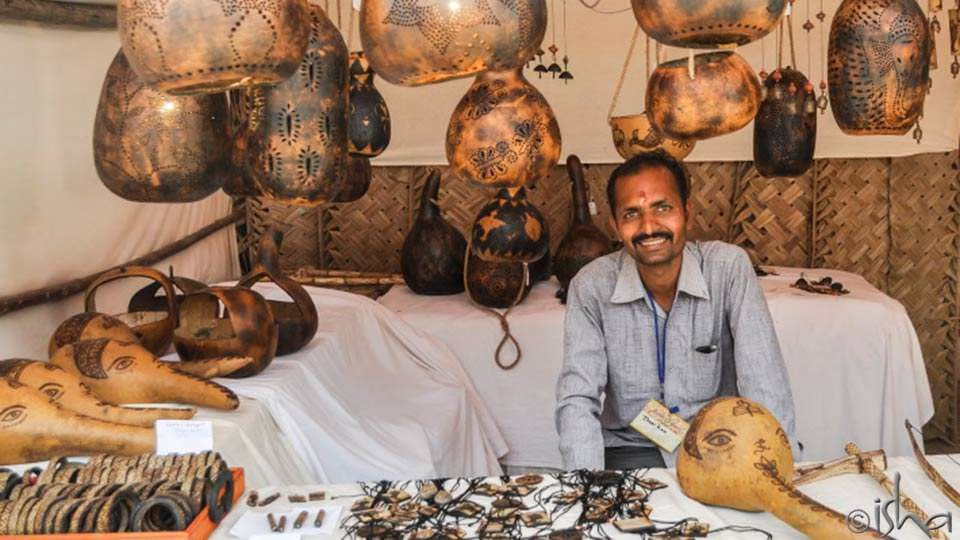
In 2025, the Tuma craft of Chhattisgarh, a distinctive art form from the Bastar region, transforms wild bottle gourds into stunning handicrafts like lampshades, jewelry, and wall hangings. Practiced by tribal artisans like Jagat Ram Devangan in Kondagaon, this craft, rooted in innovation, faces decline due to modern preferences. Its eco-friendly, intricate designs hold cultural value, yet plastic alternatives threaten its survival. Artisans carve dried gourds with hot knives, creating products sold in markets like Delhi and Mumbai, as highlighted on X with #VocalForLocal.
In This Article:
- The Craft’s Process and Innovation
- Cultural and Economic Role
- Festival Challenges and Decline
- A Future in Balance
The Craft’s Process and Innovation
Tuma craft uses bitter, non-edible bottle gourds (lauki), sun-dried for months to achieve a leathery texture. Artisans select gourds, scrub them with mud, soak them, and etch intricate patterns—myths, folklore, or geometric designs—using hot knives.Pioneered by Jagat Ram Devangan, products like lampshades (Rs. 500–3,500) and earrings showcase innovation, with some incorporating tussar silk or shells. This craft, developed over the past 20 years, transforms traditional water containers into artistic pieces.
Cultural and Economic Role
Tuma craft, a GI-tagged art, reflects Bastar’s tribal heritage, once used to store water or salfi (local brew). It employs artisans like those in K. Monika’s Software Organisation, training 30 women to create decor and jewelry, sold via social media. With exports to urban centers rising 15% annually, it supports Chhattisgarh’s Rs. 500-crore handicraft economy.
Festival Challenges and Decline
Despite recognition, like Sunil Vishwakarma’s 2014 Kamladevi Puraskar, Tuma craft faces extinction. Plastic bottles, preferred for convenience, have reduced demand. Artisan Baliram Nag notes declining use of indigenous gourds, with hybrid seeds overtaking traditional varieties. Pandemic-related exhibition cancellations further hit sales. Only a few, like Jagat Ram, persist, with water containers valued for keeping water cool in summer.
A Future in Balance
Tuma Craft’s eco-friendly allure and intricate designs hold potential, with online platforms like iTokri boosting visibility. Government initiatives and NGOs like Software Organisation aim to preserve it. As #TumaCraft trends on X, India’s youth can revive this art by embracing its sustainable heritage, ensuring Chhattisgarh’s tribal legacy endures in a modern world.
-By Manoj H