


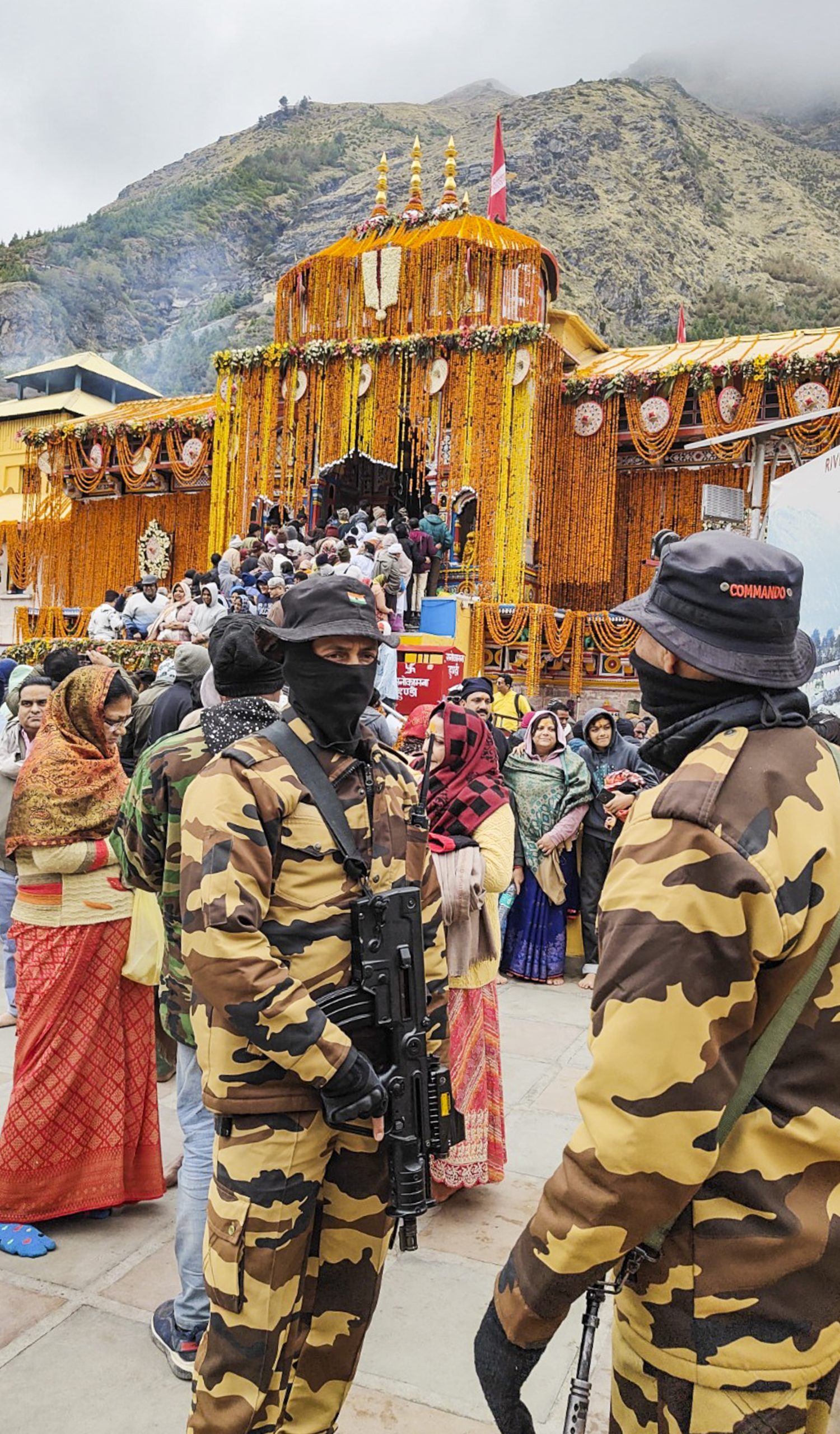
“The Char Dham Yatra, being highly dependent on interstate mobility and group travel, has been directly affected,” he added.
Nautiyal said that the drop in numbers must be seen in the context of the current India-Pakistan situation. However, he expressed optimism that the Yatra will gain momentum in the days ahead. “Last year’s data trends showed that the yatra typically peaks during the second fortnight of May and the first fortnight of June. With security conditions expected to stabilise between the two countries, we foresee a surge in footfall in the latter half of the month,” he said. He also stressed the need for the Uttarakhand government to take corrective measures on a war footing to instil confidence among the stakeholders involved in the Yatra.
Citing the example of the Vaishno Devi Shrine Board in Jammu and Kashmir, Nautiyal said, they moved swiftly by launching awareness campaigns awareness campaigns, boosted on-ground facilities, and reassured pilgrims through targeted communication.
“We need a similar proactive response in Uttarakhand”, he said. The organisation has urged the state government to convene immediate consultations with key stakeholders such as district administrations, temple boards, hoteliers, mule operators, travel agencies, vyapar mandals and local groups to improve preparedness and improve the overall experience for pilgrims. “Pilgrimage management must not be reactive. This concerns the livelihoods of thousands of families and businesses dependent on the seasonal Char Dham Yatra. Decisions must be taken promptly in light of the massive three-lakh dip in pilgrim numbers in the first two weeks,” Nautiyal said. The SDC Foundation also reiterated the urgent need to implement recommendations it had made in its 2024 report titled “Uttarakhand Char Dham Yatra: Pathways to Pilgrimage – Data, Insights, Challenges and Opportunities”, submitted to the state government. “We had called for clear protocols on carrying capacity, crowd regulation, environmental safeguards, and real-time communication. Unfortunately, many of these remain unaddressed,” he added. PTI ALM ALM OZ OZ