


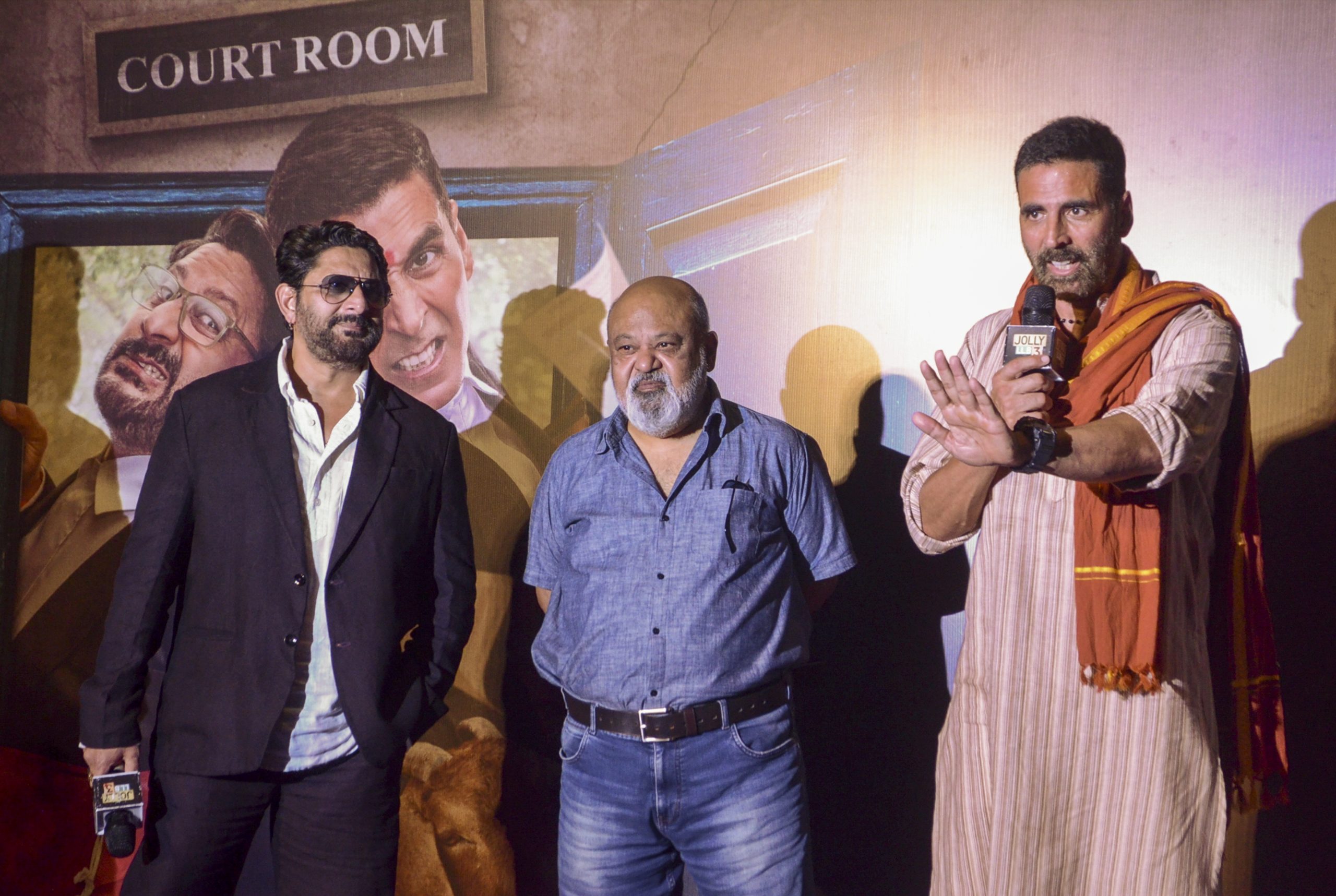
Arshad Warsi, the versatile actor known for his iconic roles in Munna Bhai M.B.B.S. and Jolly LLB, issued a sobering warning about Bollywood’s risk aversion at a press interaction in Mumbai on October 23, 2025, during promotions for his film Saiyaara. Warsi lamented that the industry has become “too safe,” prioritizing formulaic repeats over bold experimentation, leading to a dearth of original scripts and creative stagnation. His comments, made amid the success of Saiyaara—a “regular love story” that dared to buck trends—highlighted how fear of failure has stifled innovation, echoing broader concerns in Hindi cinema’s ₹101 billion ecosystem. As Bollywood grapples with a 20% drop in theatrical attendance in 2025 (per FICCI reports), Warsi’s critique has sparked urgent discussions among filmmakers and fans alike.
The Safe Bet Syndrome: Formula Over Freshness
Warsi pinpointed Bollywood’s reluctance to venture beyond proven formulas as the root of its malaise. “Somewhere down the line, we don’t take chances anymore, especially in Hindi cinema,” he said, noting that filmmakers now “replicate what worked last time,” churning out superhero spectacles or remakes instead of daring originals. He praised Saiyaara, which succeeded despite its “simple” narrative, as proof that risks can pay off. “Bollywood is playing it safe, and that’s why good scripts are rare,” Warsi added, contrasting it with South Indian cinema’s bolder storytelling. The result? A creative drought: 2025’s top 10 Hindi films include four sequels and three remakes, with only two originals crossing ₹100 crore, underscoring the industry’s aversion to untested ideas.
Stagnation’s Symptoms: From Script Shortages to Box Office Blandness
Warsi’s frustration stems from a vicious cycle: risk-averse producers favor “safe” genres like action or romance reboots, sidelining scripts that demand nuance or novelty. “After RRR, everyone became a superhero—where are the real people?” he quipped, highlighting how trend-chasing has homogenized Hindi cinema. Critics agree: A 2025 Film Companion study found 65% of Hindi scripts recycle tropes, compared to 40% in South Indian films, leading to creative fatigue. Warsi, who thrived on diverse roles like Circuit in Munna Bhai or Joy in Jolly LLB, sees this as self-sabotage: “If you have money and facilities, take a risk—it might just connect more.” The stagnation shows in box office flops like Baby John (2024), where formula failed to innovate, grossing just ₹50 crore against a ₹150 crore budget.
A Call for Courage Amid Industry Inertia
Warsi’s words hit home for aspiring filmmakers and actors in a post-pandemic Bollywood, where 70% of producers cite “fear of loss” as a barrier to experimentation, per a 2025 PwC survey. Yet, successes like 12th Fail (2023) and All We Imagine as Light (2024)—both risk-taking indies—prove audiences crave authenticity. Fans on X echoed Warsi: “Time for Bollywood to dare again!” with #ArshadOnBollywood trending at 500,000 posts. In India’s 780-language diverse cinematic tapestry, his critique inspires a shift toward rooted, risk-embracing narratives, reminding creators: True hits hide in bold hearts.
A Risk Worth Rewarding
Arshad Warsi’s warning isn’t lament—it’s a lifeline. As Bollywood treads safe paths, it asks: Can caution create classics? His answer, with Saiyaara’s success, is a daring no—urging a leap toward cinema’s wilder, wiser future.
-By Manoj H