


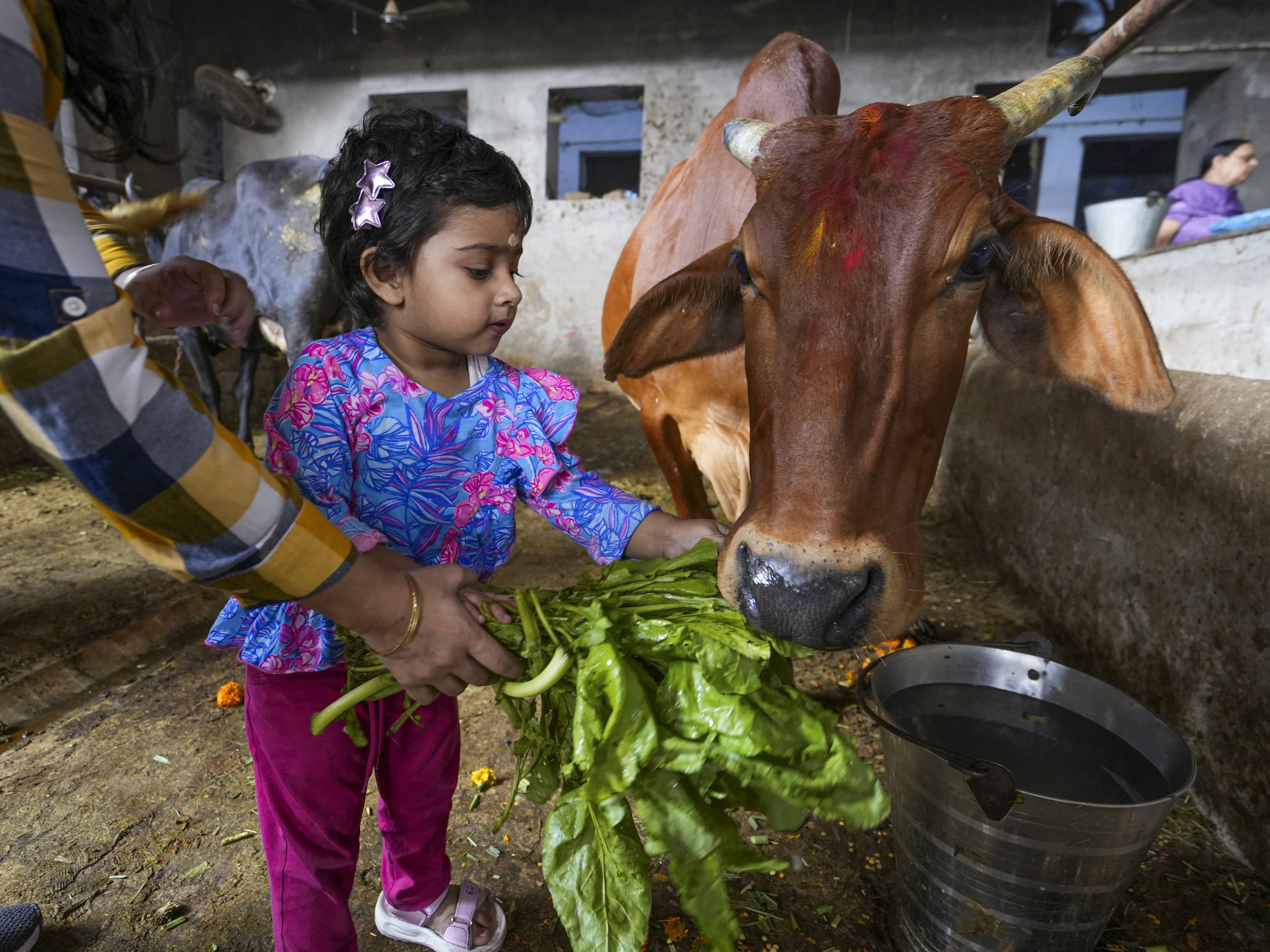
In the heart of the autumn lunar calendar, on the eighth day of Kartik month, a festival blooms that carries within it the tender footsteps of a divine boy and the sacred responsibility of protecting all creatures. Gopashtami arrives today, October 30, 2025, not merely as a date on the Hindu calendar, but as a beautiful testament to compassion, devotion, and the eternal bond between humanity and nature.
The Sacred Turning Point in Krishna’s Life
A Milestone Moment in Vrindavan
Gopashtami marks a pivotal moment in Lord Krishna’s childhood when his father, Nanda Maharaja, entrusted him with a momentous responsibility. On this auspicious day, the playful youngster officially became a skilled cowherd, graduating from merely tending to calves to taking charge of the majestic cows of Vrindavan. This transition symbolized Krishna’s coming of age in the pastoral community of Gokul, transforming him from a mischievous child into a responsible guardian of all living beings.
The term ‘Gopashtami’ itself holds profound meaning, derived from ‘Gopa’ meaning cowherd and ‘Ashtami’ the eighth day of the lunar month. The festival celebrates this transformation with deep spiritual significance, emphasizing Krishna’s role as Govinda, the eternal protector of cattle and the earth.
The Divine Tale Behind Govardhan and Gopashtami
Krishna’s Act of Cosmic Protection
The legend of Gopashtami intertwines with the glorious Govardhan Leela, one of Hinduism’s most cherished stories. According to sacred texts, Lord Krishna advised the people of Braj to cease their annual tributes to Indra, the god of rain. Enraged by this bold suggestion, Indra unleashed his fury upon the region through torrential downpours, seeking to demonstrate his supreme power.
In response to this calamity, Lord Krishna performed an extraordinary feat, he lifted the entire Govardhan Mountain upon his small finger, shielding all the villagers and their cattle from the relentless rains for seven continuous days. This remarkable display of divine compassion not only protected the people but also demonstrated that true power lies in protection and sacrifice, not arrogance. When Indra finally realized his mistake, he surrendered before Krishna and sought his forgiveness on the eighth day, Gopashtami. The divine cow, Kamdhenu, even performed Krishna’s coronation on this sacred day, bestowing upon him the title ‘Govind’.
Honoring Gau Mata: The Heart of the Festival
Sacred Rituals and Devotional Practices
On Gopashtami, cows hold center stage in the celebration. These gentle creatures are bathed with care, adorned with flowers, turmeric, and kumkum, and offered prayers filled with reverence. Devotees present special gifts including jaggery, fresh grass, grains, and fruits while chanting sacred mantras like “Gomata ki Jai” and “Gopal Govind Jai Jai”.
The worship of cows during Gopashtami reflects Hinduism’s profound respect for all living beings. In Hindu tradition, the cow is regarded as a symbol of motherhood and abundance, providing nourishment throughout life like a divine mother. The rituals performed on this day are not merely ceremonial; they represent a commitment to protecting and serving all creatures.
How Devotees Celebrate Gopashtami
Traditional Practices Across India
Across the Braj region, encompassing Mathura and Vrindavan temples organize special pujas, devotional songs (bhajans), and grand processions. Devotees begin their day with early morning baths and prepare their homes by decorating puja areas with flowers, lamps, and rangoli patterns. The Radha-Krishna puja muhurat begins at 6:35 AM, providing devotees with an auspicious window for worship.
In addition to personal rituals, the spirit of Gau Seva (service to cows) fills the day. Many devotees visit gaushalas (cow shelters) to clean the premises, bathe the animals, and donate fodder and water. In Maharashtra, similar traditions continue as ‘Govatsa Dwadashi,’ where the emphasis remains on cow worship and devotional offerings.
A Testament to Divine Compassion and Earthly Duty
Embracing the Eternal Message of Gopashtami
Gopashtami transcends the boundaries of a mere festival calendar; it stands as a spiritual wake-up call in our modern world. The day reminds devotees that true divinity manifests through protection, compassion, and responsibility toward all beings. As Lord Krishna’s actions demonstrated, genuine power emerges not from domination but from the selfless act of safeguarding the vulnerable and voiceless.
As the autumn evening settles over temples and homes across India, millions will light diyas, chant Krishna’s name, and feed the gentle cows that have sustained civilizations for millennia. In these simple yet profound acts lies the eternal spirit of Gopashtami, a celebration that transforms hearts and reminds us all that divinity walks barefoot among us, leaving blessings in every step.
By – Sonali