


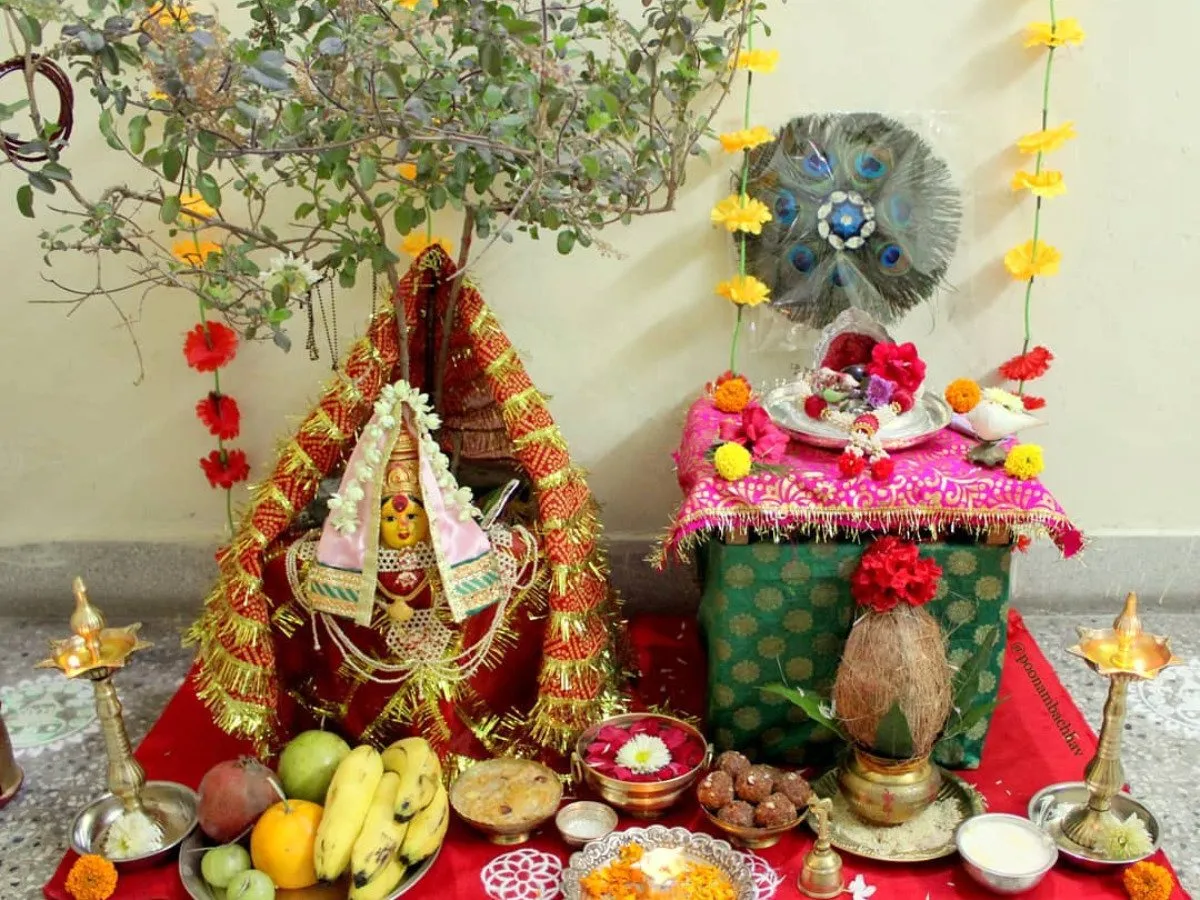
The aroma of sandalwood incense mingles with the fragrance of marigold garlands as households across India prepare for one of the most enchanting rituals in Hindu tradition. Tulsi Vivah, the ceremonial marriage of the sacred Tulsi plant to Lord Vishnu, is not merely a religious observance, it is a celebration where the divine descends into every courtyard, transforming simple basil plants into brides adorned in red silk, and marking the moment when the cosmos awakens to blessings and new beginnings.
The Sacred Matrimony: What is Tulsi Vivah?
Tulsi Vivah is a revered Hindu festival celebrated on the Dwadashi Tithi of Kartik month’s Shukla Paksha, which falls on November 2, 2025. This auspicious day arrives immediately after Prabodhini Ekadashi, also known as Dev Uthani Ekadashi, when Lord Vishnu awakens from his four-month cosmic slumber called Yog Nidra. The festival commemorates the symbolic wedding between Goddess Tulsi, considered an incarnation of Goddess Lakshmi, and Lord Vishnu, represented by the sacred Shaligram stone.
The ceremony unfolds with all the traditional grandeur of a Hindu wedding, complete with mandap decoration, kanyadaan, pheras, and the tying of sacred threads. Devotees dress the Tulsi plant as a bride, adorning it with red sarees, jewelry, bangles, and a bindi, while the Shaligram or an idol of Lord Vishnu takes the role of the groom. This divine union signifies the eternal connection between devotion and divinity, representing the soul’s journey toward purity and its ultimate merger with the divine.
The Timeless Legend: From Vrinda to Tulsi
The origins of Tulsi Vivah lie woven in ancient mythology, a tale of devotion, deception, and divine redemption. Vrinda, a woman of extraordinary purity and devotion, was married to the demon king Jalandhar. Jalandhar’s invincibility stemmed from his wife’s unwavering chastity as long as Vrinda remained faithful, no force could harm him.
When Jalandhar’s reign of terror threatened the cosmic balance, the gods sought Lord Vishnu’s intervention. Faced with a dilemma for Vrinda was his devotee, Lord Vishnu disguised himself as Jalandhar and broke her sacred vow of chastity, leading to the demon king’s defeat. Upon discovering this deception, Vrinda’s grief transformed into fury. She cursed Lord Vishnu to turn into stone and face separation from his wife. In her anguish, Vrinda immolated herself, and from her pure soul emerged the sacred Tulsi plant.
Moved by her devotion, Lord Vishnu acknowledged his role in her fate and promised to marry Vrinda in her form as Tulsi. This promise is fulfilled every year through Tulsi Vivah, where Vishnu, manifested as the Shaligram stone, weds the Tulsi plant, symbolizing that mortal devotion blossoms into timeless divine love.
Rituals That Mirror Reality
The ceremony begins with meticulous preparation. Devotees purify the Tulsi Vrindavan—the sacred structure housing the Tulsi plant, cleansing it with turmeric water and removing dried leaves. A marriage mandap is erected using four sugarcane stalks or banana shoots, creating a sacred space for this celestial union.
The ritual follows traditional wedding customs with devotion and precision. The Tulsi plant and Lord Vishnu’s representation are bathed, decorated with flowers and garlands, and offered haldi, kumkum, chunri, and sacred threads. A cotton thread connects the bride and groom, symbolizing their eternal bond. Women of the family or priests chant traditional mantras, including the Mangal Ashtaka, while performing the ceremonial rites.
The ceremony culminates with devotees showering the newlywed couple with vermillion-mixed rice, signifying blessings. Special vegetarian dishes and sweets are prepared as bhog and later distributed as prasad. Each devotee consumes a Tulsi leaf, representing the goddess entering their body, followed by the blessed food.
Spiritual Significance: When Heaven Meets Earth
Tulsi Vivah holds profound spiritual importance beyond its ceremonial beauty. The festival marks the official end of Chaturmas, the four-month period when auspicious activities are suspended and signals the beginning of the Hindu wedding season. According to religious texts including the Padma Purana, marriages and other sacred rituals are prohibited while Lord Vishnu sleeps, as his blessings are essential for every Hindu wedding. Once Tulsi Vivah is performed, it becomes auspicious to conduct weddings, housewarmings, and other religious ceremonies.
Performing Tulsi Vivah is believed to be equivalent to performing kanyadaan, granting immense spiritual merit and punya. The ritual purifies the environment and soul, bringing prosperity, happiness, and spiritual well-being to devotees. The sacred union represents the merging of devotion (Bhakti) with the divine (Purusha), embodying the eternal connection between the devoted soul and the supreme consciousness.
The Queen of Herbs: Beyond Divinity
Tulsi, revered as “The Incomparable One” and “Queen of Herbs,” is not merely a symbol of spiritual devotion but also a powerhouse of medicinal properties. In Ayurveda, Tulsi is considered an elixir of life, rich in antioxidants with anti-inflammatory, antibacterial, and immunity-boosting qualities. Its leaves serve as remedies for coughs, colds, skin disorders, and digestive issues and help control blood sugar levels.
The plant’s air-purifying abilities make it a natural protector of homes, killing bacteria and creating a clean, positive atmosphere. Spiritually, Tulsi worship is believed to purify the mind, attract divine grace, aid in meditation, and ward off negative energies. Its presence in courtyards symbolizes respect for nature’s healing powers and the integration of environmental consciousness with spiritual practice.
A Festival of Faith and New Beginnings
As dusk settles and lamps flicker around decorated Tulsi plants, families gather to witness a marriage that transcends the earthly realm. Folk songs fill the air, seasonal fruits like amla and tamarind adorn the bride, and the sacred aroma of offerings creates an atmosphere where heaven touches earth. Tulsi Vivah is not just about honoring a plant, it celebrates the interweaving of faith, tradition, nature, and devotion, reminding us that the divine resides not in distant temples alone, but in the very courtyards of our homes.
The festival embodies the belief that even the smallest acts of devotion can transform into something eternal, that nature itself is a manifestation of the divine feminine, and that love in all its forms deserves celebration. As the wedding season commences with this sacred union, Tulsi Vivah whispers an ancient truth: when devotion meets divinity, ordinary moments become extraordinary, and courtyard plants become goddesses worthy of garlands and prayers.
By – Sonali