


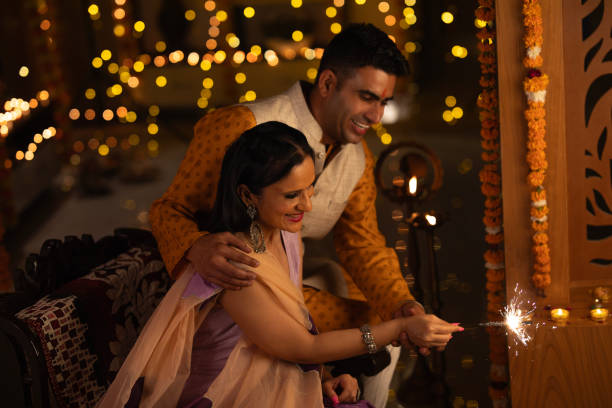
In the flickering glow of oil lamps and the melodious strains of Nadaswaram echoing through the dawn air, Tamil Nadu celebrates a tradition that transforms the Festival of Lights into something even more luminous, the Thalai Deepavali. While Diwali brings joy to millions, for newlyweds in Tamil culture, their first Deepavali after marriage becomes a once-in-a-lifetime celebration steeped in love, blessings, and age-old customs that illuminate not just homes but hearts.
The Sacred Significance of “Thalai”
The word “Thalai” in Tamil means “the first” or “the head,” marking this occasion as the inaugural Diwali celebration for a newly married couple. Unlike conventions in many cultures where brides celebrate festivals exclusively with their in-laws, Thalai Deepavali brings a heartwarming twist: the newlyweds return to the bride’s parental home for this special celebration. This custom allows the bride’s family to welcome their daughter back with open arms and embrace their new son-in-law into the family fold, strengthening bonds between both families.
For Tamil families, Thalai Deepavali represents more than just a festival; it symbolizes new beginnings, unity, and the continuity of traditions across generations. The celebration becomes an opportunity for the bride’s parents to bless the couple for a prosperous married life while showering them with affection and gifts.
The Pre-Dawn Rituals
The couple typically arrives at the bride’s family home on the eve of Deepavali, and the celebrations commence in the early hours of the festival day, often around 3:30 to 4:00 AM. The day begins with the sacred Ganga Snanam, the ritualistic oil bath that forms the cornerstone of Tamil Deepavali traditions. This isn’t merely about physical cleanliness, it signifies spiritual purification of body and soul.
The oil bath ritual involves warming gingelly oil (sesame oil) infused with betel stem, turmeric, and carom seeds. Elders in the family apply this specially prepared oil to the heads of younger members, reciting mantras invoking the Pancha Kanyas (five sacred women) for females or the Sapta Chiranjivis (seven immortals) for males. After the oil massage, the bath is taken using gram flour (kadalai maavu) which deep cleanses while nourishing the skin. Following this purifying ritual, the couple is offered Deepavali Marundhu, a traditional herbal concoction containing about 15 ingredients that aids digestion throughout the day’s feasting.
Blessings, Gifts, and Grandeur
After donning their new clothes, which have been blessed by being placed at the feet of deities marked with turmeric, the newlyweds participate in the family puja. The music of traditional instruments like Nadaswaram and Mrudangam fills the morning air, creating an atmosphere of divine festivity.
The highlight of Thalai Deepavali is the presentation of “Seer” or “Seer Varisai” an elaborate array of gifts considered part of the traditional dowry custom. The bride’s family presents the couple with new clothes, jewelry, sweets, and various other items, essentially pampering them with generosity. The son-in-law, in particular, receives special attention as the bride’s mother prepares a lavish feast to ensure he feels welcomed and cherished.
The couple then seeks blessings from elders by touching their feet, an act symbolizing respect and the desire for their guidance in married life. Often, the groom’s family parents, siblings, and relatives join the celebrations, making it a union of two families rather than just two individuals.
Feasting and Fireworks
After visiting the temple together, the couple returns home to a sumptuous spread prepared by the bride’s family. Traditional delicacies include rice, thosai, mutton curry, murukku, achu murukku (rose cookies), nei urundai (ghee balls), adirasam, velli appam, and various types of poli. These aren’t just meals; they’re expressions of love, carefully crafted to honor the occasion.
The festivities culminate with the bursting of crackers, a practice that begins right after the morning rituals. Unlike North Indian traditions where fireworks typically occur after sunset, Tamil Nadu celebrates with firecrackers in the morning, right after the oil bath. The family decorates the home with rows of oil lamps called “Agal vilakku,” illuminating every corner with warmth.
A Lifetime Memory
For newlywed couples, Thalai Deepavali becomes an indelible memory, a day when they experience the full embrace of tradition, family love, and cultural heritage. It offers the groom quality time with his in-laws, helping him integrate into the bride’s family. For the bride, it’s a joyous homecoming that reassures her that while she may have moved to a new home, her roots remain strong and her family’s love unwavering.
As the sun sets on this extraordinary day, with the lingering aroma of festive delicacies and the echoes of laughter filling the air, Thalai Deepavali stands as a testament to Tamil culture’s ability to honor both tradition and transformation, where the light of Deepavali doesn’t just illuminate homes but bridges hearts across families, creating bonds that last lifetimes.
By – Sonali