


As dawn breaks on the twelfth lunar day of Krishna Paksha in the month of Ashwin (or Kartik, in some calendars), homes stir with ritual, colour and hope. Women rise early, their hands warmed by lamps and prayer beads, minds focused on tradition, renewal and a pursuit of blessings. This is Wagh Baras, a festival when worship, ritual, and the yearning for prosperity converge in sacred ceremony and style.
What Is Wagh Baras?
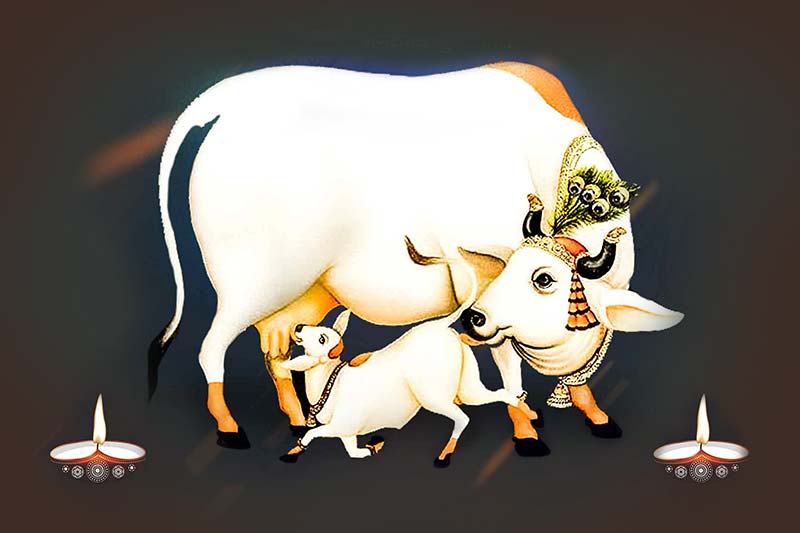
Wagh Baras (also known as Govatsa Dwadashi, Vagh Baras, Vasubaras) is a Hindu festival observed in various parts of India, particularly in Gujarat and Rajasthan, among other regions. It falls a day before Dhanteras and marks the beginning of the Diwali celebrations. On this day, cows and calves are venerated, financial ledgers are closed and new accounts are begun, and women observe fasts and perform puja.
Rituals & Significance
Women are central to the observance of Wagh Baras. They cleanse their homes, don traditional clothes, and decorate cows or calf idols. The animals are bathed and adorned with tilak, flowers, and even cloths; offerings of grains, pulses, and other foods are made. Women fast, sometimes through the day, and pray for the long lives of their children, especially sons, and the general welfare of the family.
Financial rituals also play a role: business people settle debts, close old ledgers, and start afresh, believing that this aligns their livelihoods with auspicious beginnings. The spiritual significance connects worship of cows (considered sacred), honoring Nandini and Vrata observances, and invoking blessings for prosperity.
Clothing, Jewellery, and Women’s Worship at Home
On Wagh Baras, it is customary for women to dress in new or their best traditional garments. Sarees, embroidered kurtas, vibrant colours are common. Jewellery, from simple glass bangles to gold ornaments, is worn to mark the auspiciousness of the day. Homes are cleaned and decorated; prayer items like thalis (puja trays), lamps, kumkum, turmeric are prepared carefully.
The ritual does more than adornment: it’s an act of worship itself, treating the household and its women as sacred guardians of tradition. The new attire, jewellery, the clean house, all serve as outward symbols of internal faith and renewal. Women not only worship the divine cow, but in many homes they are, figuratively speaking, worshiped, honoured through family support, reverence, caring hands preparing puja, cooking, gifts. Through this, the house becomes more than brick and mortar more a temple, and the women its altar of continuity. (This touches the idea you noted: “Women in the house are worshiped.”)
Local Variations and Community Life
Across Gujarat and Rajasthan, the festival’s texture varies. In Rajasthan, Bachh Baras is closely observed; women gather in mohallas (neighbourhoods), sing devotional songs, share ritual food, and collectively perform ceremonies. In tribal or rural regions, more community-oriented enactments occur, stories are recited, rituals at dawn, visits to bovine shelters, offerings of green fodder. Financial customs also shift with region: in some places, closing of old accounts is central; in others, animal worship takes precedence.
Challenges and Contemporary Trends
Modern life sometimes strains tradition. Urban households may adapt or abbreviate certain rituals. Shopping for clothes and jewellery may shift toward markets or online stores; ritual dress might blend traditional and western elements. Time constraints, work schedules, and smaller family structures also affect how fully Wagh Baras is observed. Yet these changes often coexist with strong desire to maintain cultural identity. Many women insist on observing fasts, offering puja, and wearing their best, even if simplified.
Closing Ritual: More than a Day
As lamps are dimmed and evening rituals conclude, Wagh Baras leaves behind more than the scent of incense and turmeric. It reawakens family bonds, reaffirms cultural roots, and reminds everyone that within the household, every woman carries tradition in her attire, every ritual washes away the old, and every piece of jewellery shines hope.
In the glow of puja lamps and in the hush that follows prayer, Wagh Baras whispers: “we begin again.”
By – Sonali