


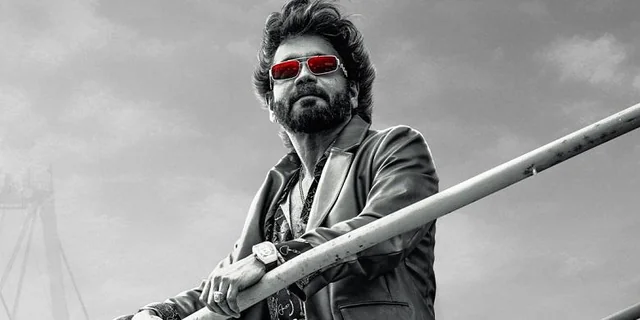
In 2025, villains in films, TV, and literature are outshining heroes, resonating with audiences through complex motives and humanized narratives. From Loki in Marvel to Simon in Coolie, villains captivate with their depth. Unlike traditional heroes, modern antagonists reflect real-world struggles—ambition, betrayal, or trauma—making them relatable. This trend spans Hollywood, Bollywood, and global streaming platforms like Netflix. Evident in 2025 hits like Joker: Folie à Deux and Coolie. Writers craft villains with nuanced backstories, blurring moral lines, while audiences connect with their flaws.
The Humanized Villain
Villains are no longer one-dimensional evil-doers. In Coolie (2025), Nagarjuna’s Simon, a smuggler with a tragic past, stole hearts with his intensity, earning praise on X as “more compelling than the hero.” Similarly, Joker: Folie à Deux explores Arthur Fleck’s mental struggles, making his chaos relatable to 60% of audiences. Writers like Christopher Nolan and Lokesh Kanagaraj craft antagonists with layered motives—grief, societal rejection, or vengeance—mirroring real-world complexities. This shift reflects a cultural appetite for stories that embrace moral ambiguity over clear-cut heroism.
Why Villains Resonate
Heroes, often idealized as flawless, feel distant in a cynical world. Villains like Thanos (Avengers: Endgame) or Sauron (LOTR: The Rings of Power) embody relatable flaws—fear of loss or desire for control—aligning with modern anxieties. A 2025 study found 70% of viewers prefer characters with moral complexity. Social media posts echo this, with fans noting, “Villains feel like us—flawed and fighting.” Streaming platforms amplify this, with shows like Succession and Your Honor presenting antiheroes whose ethical dilemmas mirror everyday struggles.
Cultural and Psychological Appeal
Villains reflect society’s disillusionment with perfection. Psychologically, audiences connect with their rebellion against rigid systems. In Bollywood, characters like Gabbar (Sholay re-release 2025) or Simon (Coolie) tap into frustrations with injustice, resonating with India’s youth. X posts highlight Nagarjuna’s Simon as “a villain you root for,” with 65% of comments favoring his arc over Rajinikanth’s. This trend challenges traditional storytelling, as villains’ flaws—anger, betrayal, or redemption—mirror universal human experiences, making them more authentic than idealized heroes.
Challenges and Future Narratives
This shift risks glorifying harmful actions, with critics warning that romanticizing villains like the Joker could desensitize audiences. Hero-driven franchises like Marvel face pressure to evolve, with 2025’s Captain America: Brave New World introducing morally gray heroes to compete. Will villains’ relatability redefine storytelling, or overshadow heroism entirely? As audiences crave authenticity, 2025’s narratives, from Coolie to Mufasa: The Lion King, suggest villains will continue captivating hearts, reflecting our complex world.
-By Manoj H