


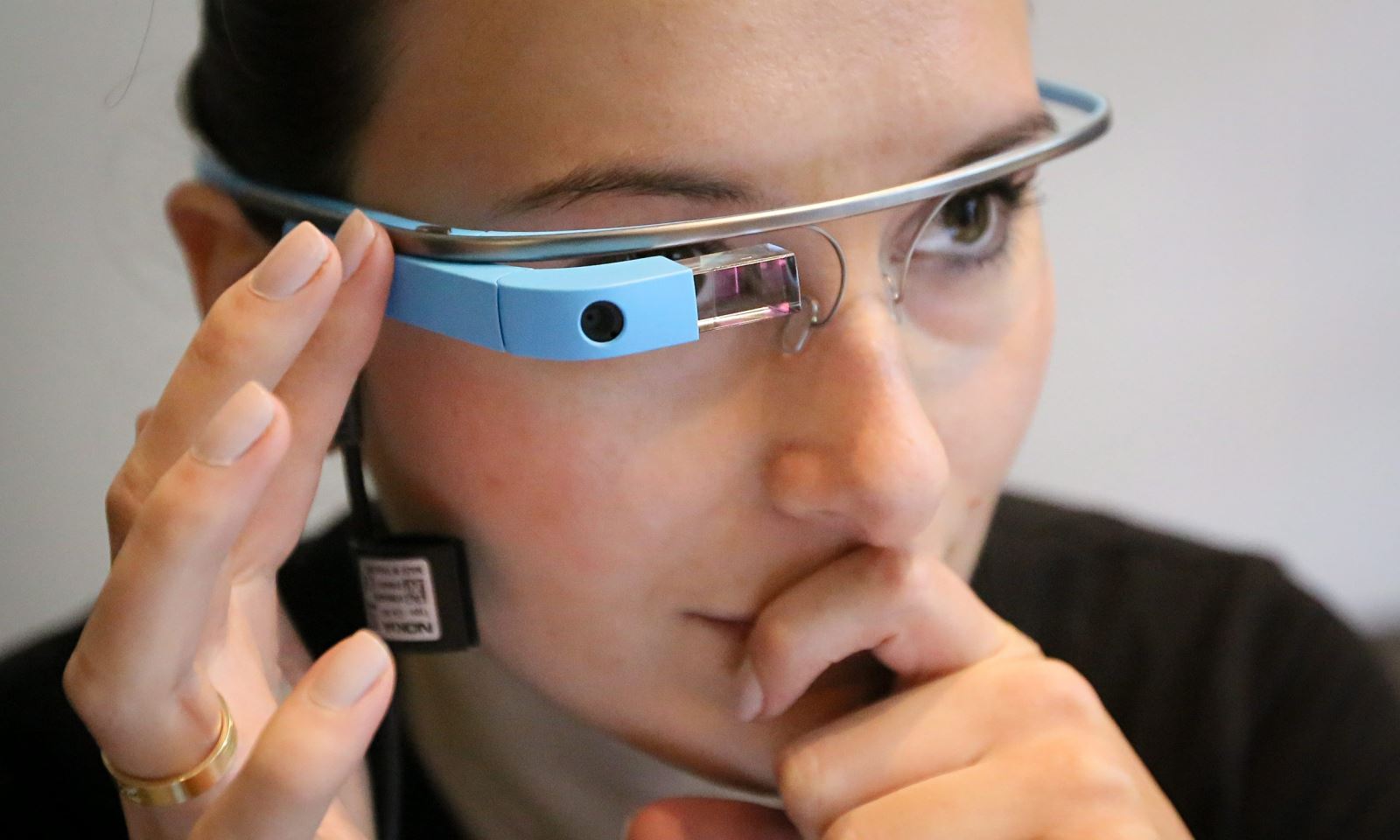
Wearable technology has become a part of our daily routine, quietly hugging our wrists or fingers while promising better health insights, improved fitness, and even early warnings about illnesses. But as these devices get smarter and more deeply embedded in our lives, another question has begun to surface: Are they truly making us healthier, or are they pushing us toward constant self-surveillance?
In This Article:
The Bright Side: Data That Empowers
Let’s start with what wearables are really good at:
- Tracking heart rate, oxygen levels, and sleep cycles
- Measuring daily activity to encourage physical movement
- Offering early signals of stress or illness
- Supporting users with chronic conditions through continuous monitoring
In fact, many users report feeling more aware and in control of their health thanks to these devices. By giving real-time insights and simple feedback, wearables can motivate people to build healthier routines, stay active, and even get better sleep.
And in some cases, wearable data has even alerted users to issues they didn’t know they had—like fever, arrhythmia, or even sleep apnea symptoms.
But Here’s the Catch: When Data Turns Into Doubt
For some, though, having constant access to body data can become overwhelming. If a ring tells you that your sleep score was low, you might spend the whole day feeling tired—even if you slept just fine. That kind of psychological influence is real.
A growing number of people are starting to experience “health anxiety” linked to their devices. Instead of feeling in control, they feel on edge—checking stats multiple times a day, over-analyzing every heartbeat, and worrying over normal fluctuations.
Even something as simple as not hitting a step goal can trigger unnecessary guilt or stress. When tracking becomes a compulsion, the device designed to improve your life starts interfering with it.
Where’s the Line Between Helpful and Harmful?
There’s another layer to this too—privacy and data security. Many wearables collect sensitive health information. While some users are comfortable with this, others are concerned about how that data is stored, shared, or even sold. When your biometric data becomes part of a larger digital ecosystem, it opens the door to questions around digital consent, insurance profiling, and health-based targeting.
So even if your wearable isn’t causing stress directly, just knowing your personal health data is out there might make you think twice.
How to Use Wearables Without Losing Your Mind
The solution isn’t to ditch wearables altogether—but to use them with more awareness. Here are a few tips:
- Look at trends, not single-day metrics
- Don’t obsess over perfection—sleep and stress naturally vary
- Turn off alerts if they’re distracting or intrusive
- Be mindful of what data you share, especially with third-party apps
Final Thoughts: A Helpful Tool, Not a Diagnosis
Wearables can absolutely support a healthier lifestyle—but they’re not medical devices, and they’re certainly not oracles. Use them as guides, not as judges. Data should help you feel empowered, not anxious.
At the end of the day, the healthiest relationship you can have with your wearable is one that’s balanced, mindful, and based on how you feel—not just what the numbers say.
By – Nikita