


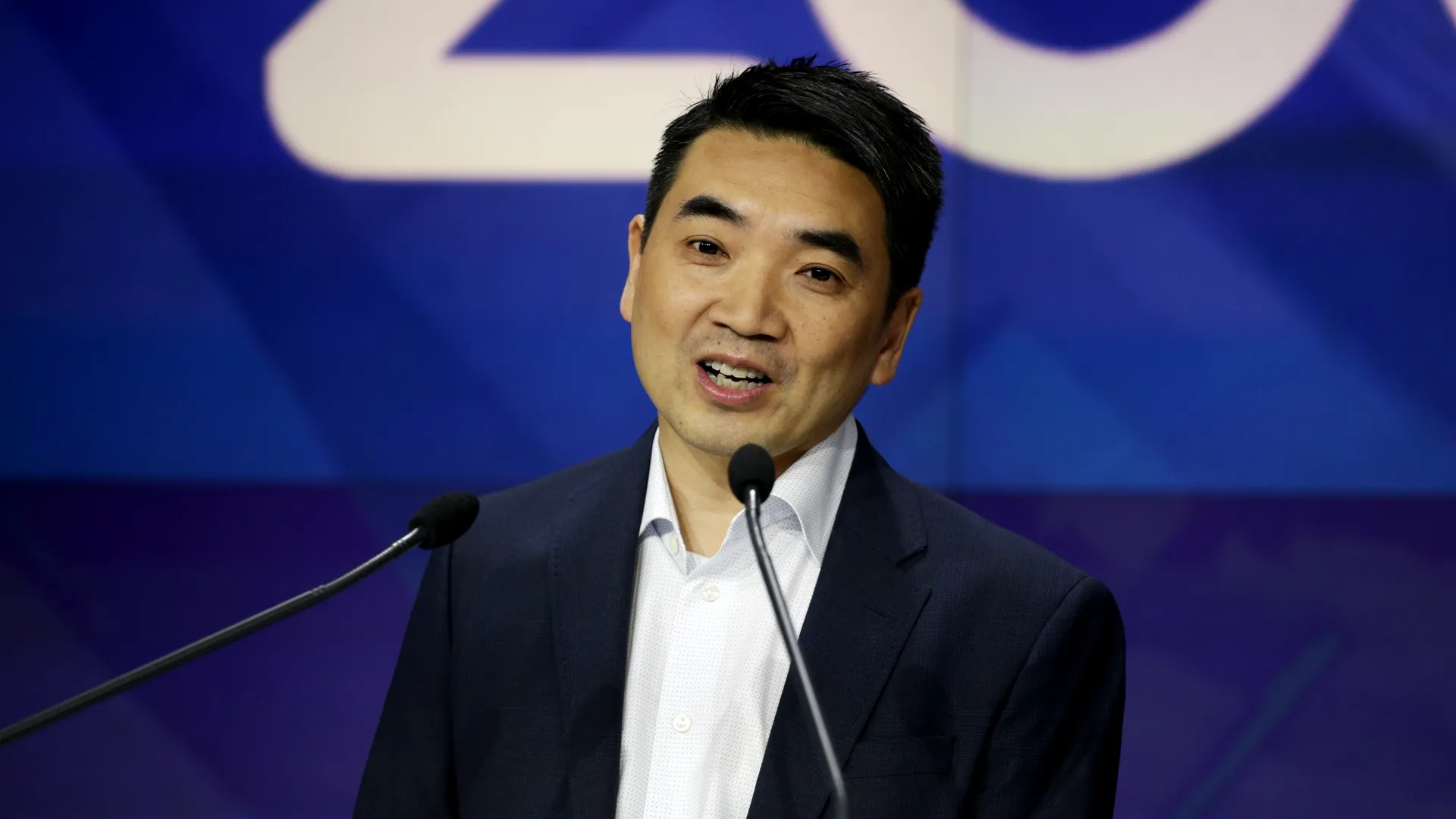
Eric Yuan, the CEO of Zoom, has dropped a bombshell prediction that artificial intelligence (AI) could soon shrink the traditional five-day workweek to just three or four days. His statement is not just another tech visionary’s optimism — it’s a clear signal that AI is rewriting the rules of productivity, office culture, and even job security.
AI as the New “Colleague”
Yuan recently emphasized that AI’s rapid advancements mean businesses may no longer need employees to slog through five consecutive days of work.
“Every company will support three days, four days a week. I think this ultimately frees up everyone’s time,” Yuan said.
He believes AI-powered digital agents will perform repetitive, time-consuming tasks, allowing employees to focus on higher-level thinking and creativity. But this doesn’t mean the future is all leisure and happiness — job displacement is a very real consequence.
The Double-Edged Sword of AI
- Shorter Workweeks: Yuan envisions a reality where AI streamlines workflows so much that companies can afford to give workers an extra day or two off.
- Job Cuts: Entry-level engineers and administrative roles are particularly vulnerable, with AI now capable of writing code, generating reports, and even handling customer queries.
- New Roles: Oversight of AI systems will open new career paths — from managing digital agents to building ethical frameworks for automation.
His views align with Nvidia’s Jensen Huang and JPMorgan’s Jamie Dimon, who both echoed that AI is not just a tool but a disruptive force reshaping global employment.
A Threat or a Blessing?
While the idea of a three-day weekend may sound like a dream, critics argue that it hides a darker reality: mass layoffs, increased inequality, and the risk of human workers being undervalued. AI doesn’t need holidays, salaries, or sleep — and that puts humans in direct competition with algorithms.
Yuan himself admits, “Whenever there is a paradigm change in technology, some jobs will be lost, but new ones will also be created.” That’s corporate-speak for a turbulent transition where many workers may not land on their feet.
The Big Question: Who Really Benefits?
Yes, AI could liberate people from the grind. Yes, it could give us more time for family, creativity, and leisure. But let’s not sugarcoat it: in a capitalist economy, shorter workweeks might benefit top corporations more than workers unless strict regulations and protections are in place. Without them, AI risks widening the gap between those who own the technology and those replaced by it.
Final Thought
Eric Yuan’s vision of AI-driven shorter workweeks is as thrilling as it is terrifying. It’s not just about fewer days at the office — it’s about redefining the value of human labor in an economy increasingly run by machines. Whether this becomes a utopia of balance or a dystopia of layoffs will depend on how societies, governments, and businesses choose to wield AI’s immense power.
By – Nikita