


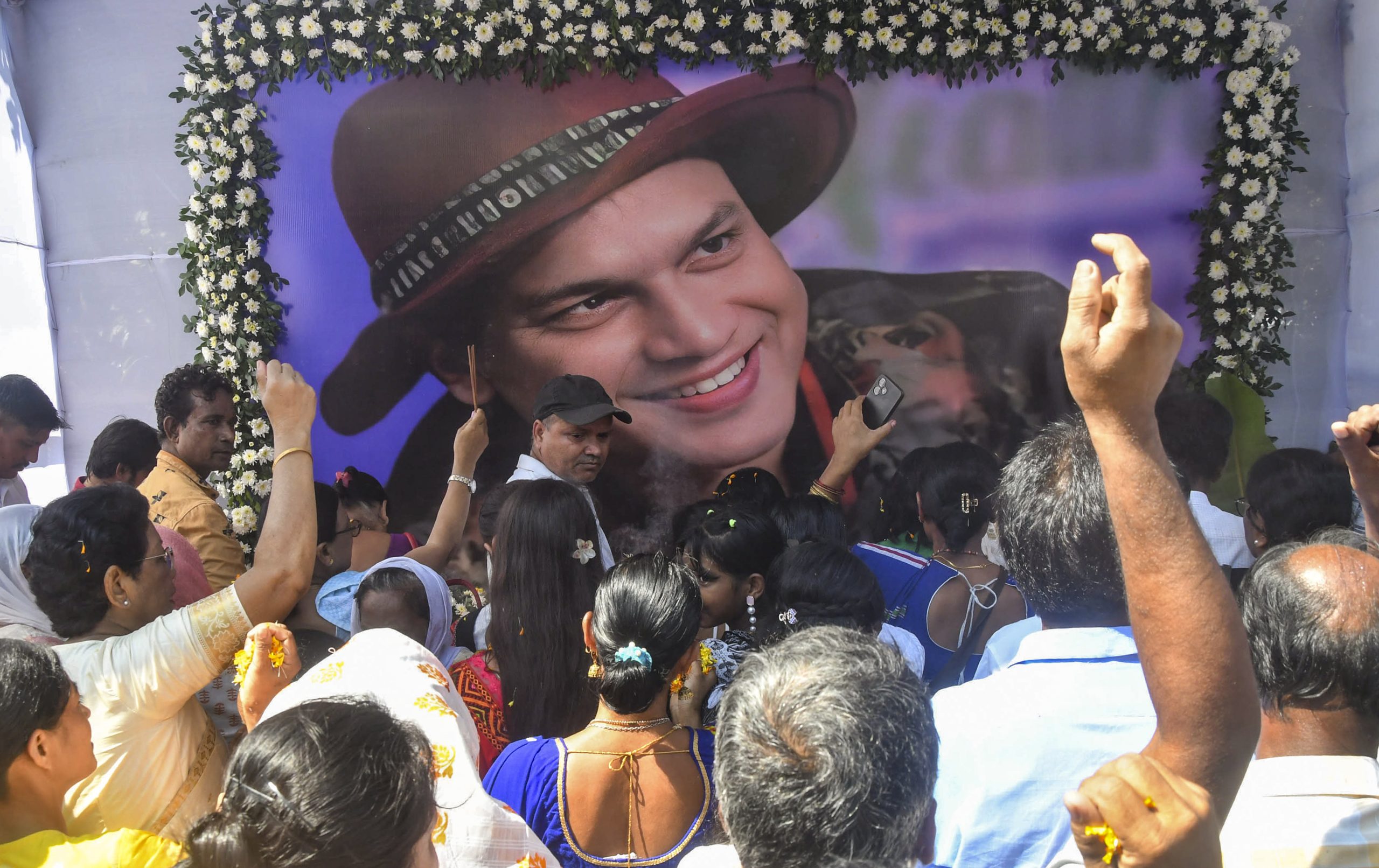
In a ceremony that blended celebration with grief, Assam’s Cotton University posthumously conferred an honorary Doctor of Literature (D.Litt) degree on the late Zubeen Garg at its 4th convocation on December 9, 2025. The event, held at the Srimanta Sankaradeva International Auditorium in Guwahati, saw Garg’s sister, Dr. Palmee Borthakur, accept the honour on behalf of the family — an emotional milestone barely three months after the singer’s tragic death.
Garg, revered for his soulful voice and his role in taking Assamese music to a wider world, was recognised for a cultural legacy that continues to transcend borders and generations.
The Convocation Moment: Tears, Gratitude and Calls for Justice
Governor Lakshman Prasad Acharya, the university’s chancellor, presented the D.Litt as the hall rose in applause. Chief Minister Himanta Biswa Sarma and other dignitaries were in attendance as Borthakur, visibly moved, called it a “very emotional moment to receive the honour in Dada’s absence,” adding that the family was “very proud” of the academic recognition.
She spoke of Garg’s generous spirit and the outpouring of affection after his passing: the more people learned about his life and work, she said, the more love they showered on him. Turning to the ongoing investigation into his death, Borthakur expressed hope for a “fair and strong” chargesheet — due to be filed on December 12 — and “exemplary punishment” for those found responsible.
Cotton University also awarded an honorary D.Litt to noted writer and scholar Ranjit Kumar Dev Goswami, underscoring its intent to honour intellectual and cultural giants in the state.
Garg’s Legacy: Music, Advocacy and a Fight for Answers
Zubeen Garg, who died on September 19, 2025, at the age of 52 while swimming in the sea off Singapore, left behind a towering body of work across Assamese, Hindi and multiple other languages.
Often described as Assam’s “people’s artist”, he bridged folk roots with contemporary soundscapes — from his powerful renditions of “O Mur Apunar Desh” to modern classics like “Buku Duru Duru” — and became a cultural ambassador for the North East. His activism extended to environmental causes, youth empowerment and support for emerging artists.
What was first reported as an accidental drowning has since been cast in a far darker light. In the Assam Assembly, Chief Minister Himanta Biswa Sarma has called Garg’s death “plain and simple murder”, linked to alleged financial disputes and negligence around the Singapore event where he was to perform. A Special Investigation Team (SIT) led by Special DGP (CID) Munna Prasad Gupta has arrested seven people and recorded statements from more than 300 witnesses; the SIT is set to file a detailed chargesheet on December 12.
A Wider Movement: From Statues to Scholarships
The D.Litt comes amid a broader wave of tributes and protests. Tezpur University has announced it will honour Garg with a statue on campus and a scholarship under its Department of Cultural Studies, while also exploring the conferment of a posthumous honorary doctorate in his name.
Across Assam, the “Justice for Zubeen” movement has gathered momentum — from AASU-led candlelight vigils and statewide marches to demands in Parliament and the Assembly for accountability and, eventually, a Bharat Ratna for the late singer.
Borthakur has spoken candidly about painful posthumous revelations — how some people “took advantage” of her brother’s trust and generosity in his final years — even as fans, artists and student groups insist that true homage to Garg must include justice, not just symbolism.
An Eternal Echo in Assam’s Soul
Zubeen Garg’s D.Litt is not just a degree — it is a declaration of devotion. As Assam celebrates his songs and confronts the circumstances of his death, one truth resounds: an artist’s voice can outlive even the darkest void.
In the echoes of his melodies and the marches for his justice, Zubeen continues to sing — summoning strength, unity and cultural pride in a chorus that refuses to fade.
By – Manoj